Deputy PM Koo Yoon-cheol Pushes Back on Capital Market 'Bubble' Concerns, Cites Lack of Innovation

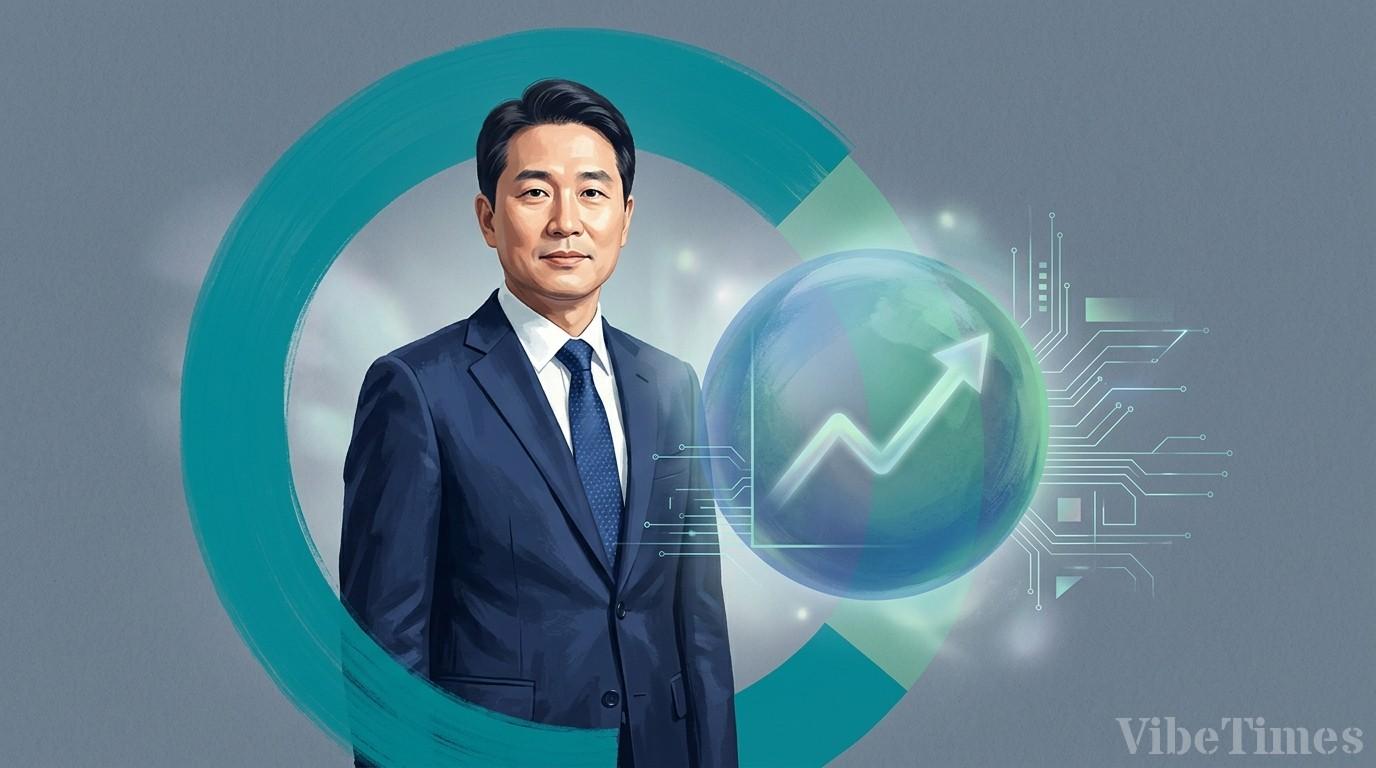
Deputy Prime Minister and Minister of Economy and Finance Koo Yoon-cheol refuted concerns that South Korea's capital market has a 'bubble' (a state where asset prices are excessively high compared to their actual value), stating that such concerns can arise from a lack of innovation efforts. In an interview video released on the YouTube channel "Sampro TV" on the 30th, Koo responded to questions about the possibility of the KOSPI collapsing to 8,000 points by presenting structural reforms and a rebound in potential growth rates as part of the economic growth strategy for the second half of the year. He said, "Such worries arise when efforts toward innovation are not made." Koo reiterated his rebuttal against 'bubble' concerns surrounding the bullish stock market.
Koo stated that he will emphasize structural reforms and a rebound in potential growth rates through the economic growth strategy for the second half of the year. He mentioned that the government has presented a direction to move toward a "super-innovative economy" by fostering talent and encouraging youth entrepreneurship in areas such as artificial intelligence (AI) and green transformation. Koo expressed optimism that the Korean economy will grow further through structural reforms in the latter half of the year.
Regarding the prospect of excess tax revenue driven by the semiconductor boom, Koo described it as "self-evident." He stated, "We will only know the exact amount of excess revenue after checking corporate tax prepayments in August." Koo mentioned that specific figures would be available after confirming corporate tax prepayments in August.
He noted that corporate taxes alone from two companies (estimated to be Samsung Electronics and SK Hynix) are expected to exceed 100 trillion won this year, with excess tax revenue projected to surpass 25 trillion won. Koo emphasized that this excess revenue would be reinvested in future industries to create a virtuous cycle. He suggested that developing and investing in items comparable to second and third-generation memory semiconductors would create a virtuous cycle and lead to increased excess tax revenue. Koo also proposed establishing a "Korean sovereign wealth fund" using the excess revenue to build a "breakwater" for future generations.
Koo explained that the current won-dollar exchange rate of around 1,500 won per dollar is a result of foreign investors rebalancing their portfolios due to the rise in the South Korean stock market.