22nd National Assembly Pushes for Anti-Fake News Legislation

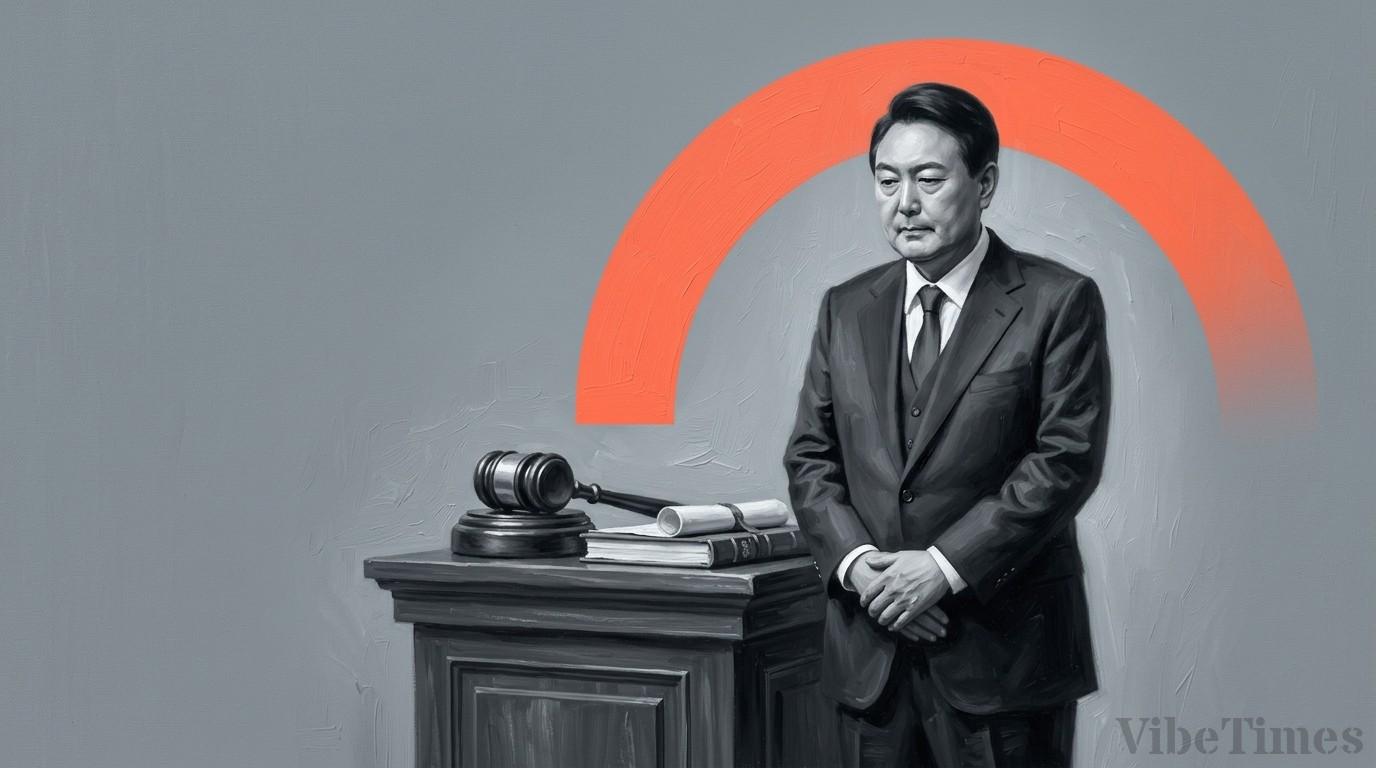
Legislative Push for 'Anti-Fake News Law' Signals Major Shifts in Online Information Ecosystem
As societal concerns grow over the proliferation of fake news and disinformation online, legislative efforts to curb their spread are gaining momentum. Particularly with the amplified impact of politically motivated disinformation during election periods, moves to enact an 'Anti-Fake News Law' or a 'Disinformation Dissemination Punishment Act' are surfacing in the 22nd National Assembly. This initiative is seen not merely as a means to verify information, but as an attempt to build a healthier online information ecosystem and ensure the fairness of democratic processes. While it shares common ground with past discussions on hate speech, such as the 'Ilbe Closure Theory,' this current debate is distinct in its broader scope, targeting 'disinformation' in general.
What's the Problem with Spreading Disinformation?
Online disinformation manifests in various forms, but its consequences are severe. Politically driven false information can influence election outcomes and deepen social conflicts by inciting hatred or prejudice against specific groups. In the economic sphere, inaccurate information can distort investment sentiment and create market chaos. For instance, unverified rumors about companies frequently lead to stock plunges, and health-related misinformation poses threats to public health. To address these issues, the political sphere is considering strengthening legal accountability for spreading disinformation. Proposed legislation is expected to focus on amending the Act on Promotion of Information and Communications Network Utilization and Information Protection, etc. (Information and Communications Network Act) or enacting new special laws, potentially imposing punitive damages on those who spread false information or reinforcing the obligation of platform operators to remove or block such content.
Notably, Lee Jun-seok, leader of the New Reform Party, has signaled legal action against 'smear disinformation,' demonstrating a strong intent to penalize baseless criticism or distorted information targeting specific parties or individuals. Furthermore, Yoo Sang-dae, a member of the Jo Guk Innovation Party, while advocating for policies to address social safety issues like 'random crimes' and supporting prosecutorial reform, is also participating in broader discussions on solving societal problems. These policy proposals and statements from lawmakers acknowledge the social damage caused by disinformation and underscore the need for institutional responses.
Key Provisions of Proposed Laws and Expected Debates
The new legislation being proposed or discussed reflects diverse perspectives on the scope and penalties for disinformation. The core contents can be broadly divided into two main pillars. First, strengthening civil and criminal liability for individuals or groups who maliciously produce and disseminate false information. This could include introducing punitive damages, increasing fines, and in some cases, enhancing criminal penalties. Second, reinforcing the accountability of platform operators (portals, social media, etc.). This may involve requiring platforms to use AI and other tools to detect disinformation proactively and respond swiftly to user reports. Provisions allowing individuals or groups harmed by disinformation to seek damages from platform operators are also under consideration.
Reactions from various sectors of society are mixed. Proponents emphasize that while freedom of expression is important, it should not be abused to the extent that it damages reputations or disrupts social order. They argue that strong regulation is necessary, especially given how political disinformation, such as the 'allegations of the former President Yoon receiving martial law messages' reported immediately after the declaration of emergency martial law on December 3, 2024, can cause national chaos. Civic groups, while concerned about potential chilling effects on freedom of expression, demand strong regulation of hate speech against vulnerable groups or minorities and the clear dissemination of false facts. Conversely, critics express concerns that such laws could be misused as tools to suppress criticism unfavorable to the government or specific powers. They warn that under the guise of 'preventing fake news,' healthy criticism or satire could be stifled, separate from 'politician glorification' or the expression of 'political will.' Experts point out that if the specific definitions of 'disinformation' and criteria for judging 'malice' are unclear, the enforcement of the law could lead to confusion and controversy. They also note that placing excessive burdens on platform operators in defining their scope of responsibility could lead to a contraction of services. For instance, as of May 31, 2026, the accuracy of information is crucial in policy-making processes, as exemplified by the House Armed Services Committee's discussion of a draft National Defense Authorization Act including provisions on limiting troop reductions, and acts distorting this information can harm society as a whole.
Future Outlook and Legislative Process
Specific bills and discussions related to the 'Anti-Fake News Law' or 'Disinformation Dissemination Punishment Act' are currently in their early stages. As the 22nd National Assembly moves beyond internal organization and embarks on its full legislative agenda, this issue is expected to be taken up earnestly. As of May 31, 2026, numerous bills aimed at solving various social problems are already pending in the National Assembly, and legislation concerning disinformation is highly likely to be placed on the discussion table soon. The legislative process, involving review by parliamentary standing committees, the Legislation and Judiciary Committee, and passage by the plenary session, could take a considerable amount of time. It will likely involve complex stages, including reconciling differing stances between ruling and opposition parties, gathering opinions from civil society, and expert legal review. In particular, in-depth discussions will be needed on harmonizing constitutional values like freedom of expression and information, as well as on the effectiveness of the law and measures to minimize side effects. While current laws on 'defamation' or 'insult' allow for some recourse, their limitations in keeping pace with the speed and breadth of information dissemination online are continuously pointed out. Therefore, if this legislative discussion is successful, it is anticipated to bring significant changes to the online information distribution ecosystem.
