Lee Jae-myung's 'Worst Trash' Remarks Spark Widespread Row

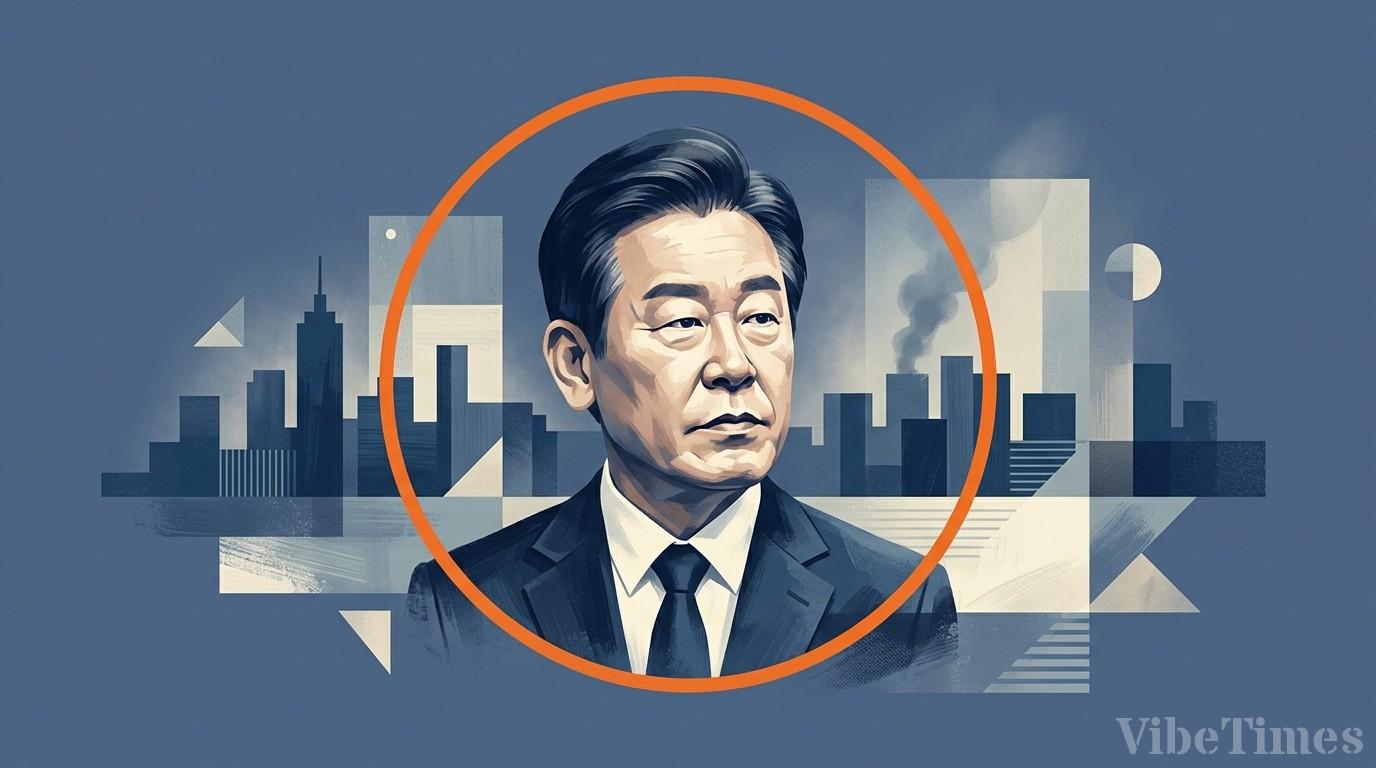
President Lee Jae-myung's 'Worst Trash' Remarks Ripple Through Political Landscape
Political circles are seeing an intensifying dispute over President Lee Jae-myung's recent remarks urging voters to cast ballots "so that the worst trash cannot rule." The People Power Party has vehemently criticized this as "divisive rhetoric," and the controversy is further hardening the political atmosphere ahead of the local elections. Beyond a simple election encouragement message, these remarks have created opposing currents of support mobilization for the current administration and criticism from the opposition, necessitating an analysis of their future impact on the political landscape. This article examines the background of the President's remarks, the stances of each party, and forecasts the future political repercussions.
Background and Context of the 'Worst Trash' Remarks
President Lee Jae-myung's "worst trash" comment came amid efforts to encourage voter turnout for the local elections on June 3. The President posted on his social media account, "In a democratic republic, the silence and abstention of the sovereign empower those who deceive the people, abuse power for private gain, and ruin the lives of myself and my family." The message, quoting Plato's 'Republic,' warned of the negative consequences of political apathy. Specifically, the phrase "abuse power for private gain" is interpreted as a veiled reference to opposition criticisms surrounding various suspicions involving the current administration, such as the recent controversy over the cancellation of a trial. Additionally, analyses suggest a strategic intent to draw in centrist and undecided voters amidst record-high early voting rates.
In response, Jang Dong-hyuk, the standing election committee chairman for the People Power Party, immediately retorted, "President Lee Jae-myung's voter encouragement is self-criticism." Jang stated, "The people will rise up in this election and surely judge the "worst trash" Lee Jae-myung and the "old-fashioned vested interests" of the Democratic Party." He added, "Lee Jae-myung, who has ruined the judicial and constitutional order to absolve himself and is now pushing for a special prosecutor to cancel his trial, is precisely the one abusing the greatest power for private gain." This directly links the President's remarks to the administration's perceived failures and moral issues, interpreted as a strategy to rally conservative voters during the election campaign. Furthermore, by pointing out that the President's remarks could be seen as "divisive," it indicates a campaign strategy focusing on personal criticism rather than debates over policies or visions.
Meanwhile, President Lee also reaffirmed a firm stance against illegal real estate speculation and tax evasion, stating, "We will surely escape the nation-destroying republic of real estate windfall profits." This appears intended to emphasize the government's commitment to stabilizing the real estate market, especially in light of reports that a significant portion of real estate tax evasion tips received by the National Tax Service originate from the Seoul metropolitan area. Concurrently, the President expressed regret over social tragedies such as the Hanwha Aerospace accident and directed all efforts towards rescue and recovery operations, seeking to highlight the government's disaster response and crisis management capabilities. Through these series of remarks, President Lee is conveying a complex message aimed at emphasizing the government's leadership amid domestic and international crises, highlighting policy achievements, and simultaneously fending off opposition attacks.
Party Stances and Shifting Election Strategies
President Lee Jae-myung's "worst trash" remarks are amplifying inter-party conflict and further destabilizing the local election landscape. The Democratic Party appears to defend the President's comments, interpreting them as a legitimate warning about the exercise of sovereign rights and a message to prevent state mismanagement due to political apathy. Notably, within the party, especially among strong supporters like Assemblyman Jung Chung-rai, there is a move to strengthen the "Lee Jae-myung marketing" by encouraging early voting. This strategy aims to rally the party's core supporters while also leaning towards "stability" rather than "government judgment" for centrist voters, thereby securing electoral victory. Some even express hope that the President's remarks could bring "boomerang effects" (unexpected positive outcomes).
Conversely, the People Power Party has launched a full-scale offensive, labeling the President's remarks as an attempt at "election interference" and "national division." As Assemblyman Jang Dong-hyuk's comments suggest, they are counter-attacking by highlighting that the President's language is inappropriate and could alienate voters. They are also employing a strategy to mobilize conservative voters by recalling past records of conservative figures such as former Presidents Roh Moo-hyun, Park Geun-hye, and Lee Myung-bak, alongside the public release of local autonomy records from the Roh Moo-hyun era. They are expected to focus on intensifying the "government judgment" narrative by criticizing President Lee's real estate policies and his overall governance. Through the logic of connecting the phrase "worst trash" to the "judgment of the Lee Jae-myung government," they aim to sow distrust in the current administration among voters and translate that into votes for opposition candidates.
Meanwhile, minor parties such as the New Reform Party are attempting to differentiate themselves within the election structure dominated by the two major parties. They emphasize the need to prevent the "monopoly" of the two major parties in the proportional representation election and are exploring possibilities for their advancement in regions like Jeju. In particular, members of the Education Committee (including Jung Won-oh, Park Hyung-joon, the Speaker of the National Assembly, Hwang Jung-min, and Choi Jong-il) are highlighting their presence by delivering policy messages related to educational issues. Similar to Assemblyman Choi Jong-il of the New Reform Party, who has proposed "political reform" and "social integration" as key tasks and advocated for bridging gaps across age, region, gender, and class, these parties are striving to build an image as alternative forces to the existing political establishment. Their success will depend on how voters choose amidst the extreme confrontation between the two major parties.
Future Outlook and Implications
President Lee Jae-myung's "worst trash" remarks are highly likely to act as a variable directly impacting the outcome of the local elections on June 3. While the President's strong remarks may galvanize his supporters, they could simultaneously alienate centrist voters. The People Power Party's criticism of "divisive rhetoric" represents these centrist concerns, creating an opening for the opposition to gain an advantage in the election campaign. Specifically, if controversies surrounding "abuse of power for private gain" and "trial cancellation" gain traction as election issues, they could pose significant burdens for the ruling party.
The political landscape is expected to become more complex following the results of these local elections. If the ruling party performs worse than expected, challenges to President Lee's leadership could intensify, potentially amplifying conflicts among party factions. Conversely, if they perform well, the momentum for the current administration's policy initiatives could strengthen, but this would also make all-out confrontation with the opposition inevitable. The government's policy push to stabilize the real estate market and eradicate speculation, as exemplified by President Lee's "escape from the republic of real estate windfall profits" remark, is anticipated to move forward in earnest. Furthermore, remarks concerning social tragedies may gain momentum for policy implementation by reflecting societal demands for strengthening safety systems and reforming disaster response frameworks.
In conclusion, President Lee Jae-myung's latest remarks go beyond a mere campaign tactic; they serve as a crucial indicator for gauging the current administration's governance style and future political direction. Even after the elections, the political fallout from the rhetorical phrase "worst trash" and the ensuing inter-party disputes are likely to continue. It is a critical time to closely monitor how voters will make their choices amidst this political turbulence and what changes the results will bring to our society's political and economic landscape.