Empathy: Not Innate, But a Complex Skill Enhanced Through Training

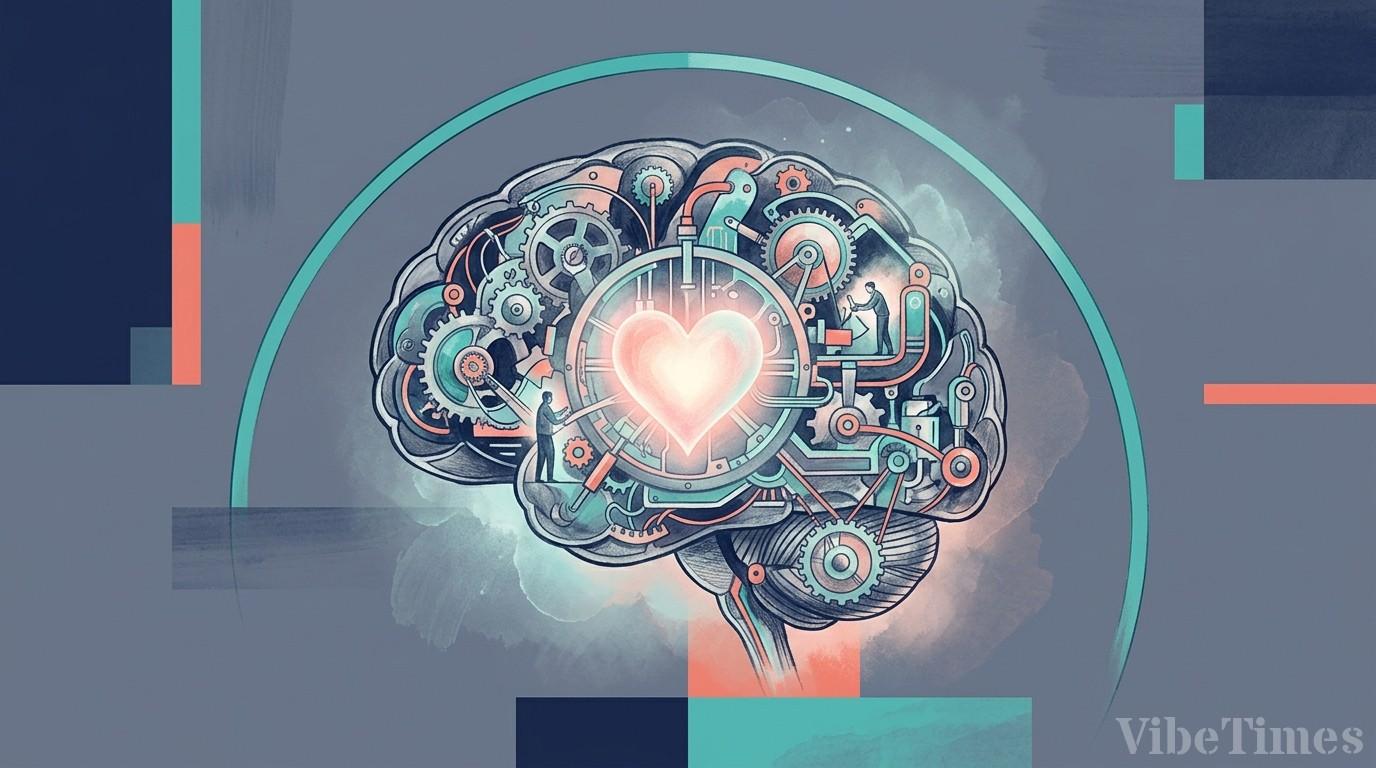
The new book 'Empathy is Intelligence' explains 'empathy,' a feeling we commonly experience, not as something innate, but as a complex skill that can be trained and developed, much like exercise or learning. The book explores how empathy positively impacts individual relationships and social life, and how to effectively cultivate it, offering readers a new perspective.
'Empathy is Intelligence' treats empathy as a complex skill involving recognizing others' suffering, maintaining necessary distance, and choosing actions, with practice, environment, and motivation playing a role. The book points out that empathy, which entails fully absorbing another's pain, can lead to burnout. It illustrates through the case of neonatal intensive care unit medical staff that individuals who excessively absorb others' suffering find it difficult to help patients and their families. It differentiates between the distress caused by empathy and the concern arising from empathy, discussing the separation between emotions that pull one into pain and attitudes that wish for the other's well-being.
Examples from white supremacy, genocides, prisons, and police training demonstrate that empathy cannot remain merely an abstract virtue. Those in lower positions must read the emotions and rules of those in higher positions for survival, whereas those in power can often remain relatively safe without understanding their counterparts. The book warns that presenting empathy alone as a solution in the face of structural violence and power imbalances risks shifting responsibility onto victims and the vulnerable.