#정치
Prosecution Manipulation Special Prosecutor Bill Sparks Sharp Opposition Divide

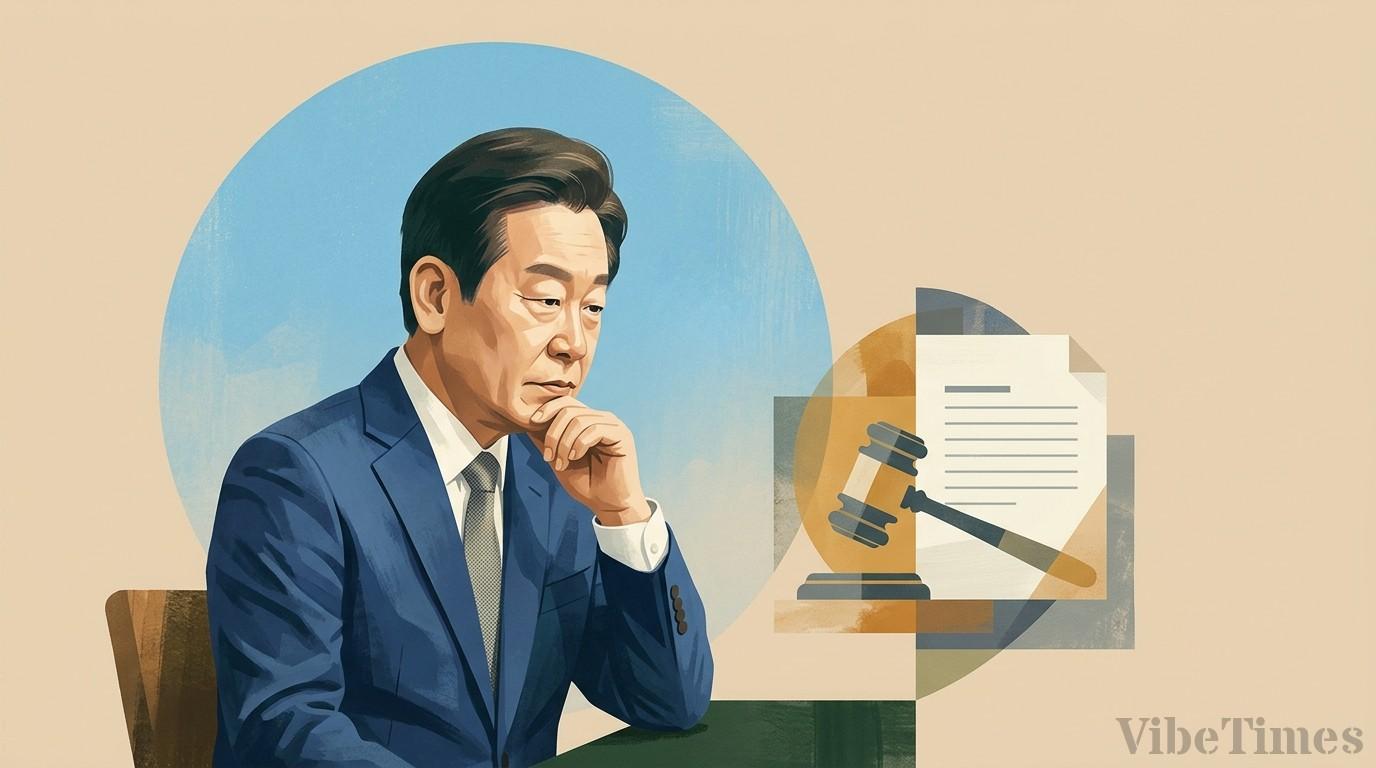
‘Prosecution Manipulation Special Prosecutor Bill’ Emerges as Key Issue… Clear Divide Between Ruling and Opposition Parties
The political arena is currently abuzz with heated debate surrounding the ‘Special Prosecutor Act for Manipulated Prosecutions under the Yoon Suk-yeol Administration.’ Lee Jae-myung, leader of the Democratic Party of Korea, emphasized the need for truth-finding regarding the ‘Prosecution Manipulation Special Prosecutor Bill,’ stating, “We should act according to common sense. If there are wrongs, they should be corrected, and if there are cover-ups, they should be revealed.” This reflects a growing demand for an independent investigation, raising questions about the fairness and transparency of the current administration’s prosecutorial investigations and indictments. The core of this Special Prosecutor Bill discussion lies in the confrontation between the opposition, which advocates for uncovering the truth behind past politically motivated investigation allegations and holding those responsible accountable, and the ruling party, which opposes it as a political attack or advocates for caution. Earlier, Jang Dong-hyuk, interim leader of the People Power Party, referred to the special prosecutor mentioned by Lee Jae-myung as an ‘Lee Jae-myung-ordered special prosecutor’ and argued that an investigation should be launched to uncover the truth through a special prosecutor recommended by the People Power Party. This reveals a perspective that views the opposition’s push for a special prosecutor as a defense of a specific politician or being politically motivated. In contrast, Lee Jun-seok, leader of the Reform Party, argued that the introduction of a special prosecutor is inevitable concerning the shortage of ballots in the June 3 local elections, and the recommendation rights for the special prosecutor should be given to the opposition parties. This suggests that discussions on introducing a special prosecutor are also underway regarding another current issue, the ballot shortage incident, demonstrating high public interest in procedural issues during large-scale elections. Lee also clearly stated his rejection of ‘conspiracy theories,’ indicating a focus on establishing facts. ### Key Contents of the Bill and Expected Repercussions A detailed review is necessary to understand the specific contents of the ‘Special Prosecutor Act for Manipulated Prosecutions under the Yoon Suk-yeol Administration’ and the potential repercussions if it is actually passed. Although detailed information regarding the bill's specific contents, sponsors, and target acts is not yet provided, as can be inferred from the name ‘manipulated prosecution,’ it is likely to target alleged illegal or improper acts during the investigation and indictment processes of specific cases by the prosecution since the current administration took office. If such a bill passes the National Assembly and a special prosecutor is appointed, it could directly impact the legitimacy of the current administration and the credibility of the judicial system. If allegations are proven true through a special prosecutor's investigation, it could lead to legal responsibility for the individuals involved, as well as a weakening of the administration's governing capacity. Conversely, even if the allegations are found to be untrue, unnecessary social conflict and political exhaustion during the investigation process are expected to be unavoidable. Furthermore, voices are also being raised calling for improvements to election-related systems, similar to past calls for reforms like the ‘External Audit Act for Election Management Commissions’ or the ‘Act on Restrictions of Leave During Election Periods.’ This connects to demands for systemic improvements to enhance the fairness and efficiency of election management, beyond simply uncovering the truth of specific incidents. In other words, the discussion on the ‘Prosecution Manipulation Special Prosecutor Bill’ can be interpreted as part of an effort to resolve public distrust in the overall election system and management, in addition to issues of prosecutorial independence and political neutrality. ### Current Status of Debates and Expert Views The positions of both proponents and opponents surrounding the ‘Prosecution Manipulation Special Prosecutor Bill’ are clearly divided. The Democratic Party of Korea maintains its stance that ‘a neutral special prosecutor from the public's and opposition parties' perspective is better,’ advocating for truth-finding based on laws and principles. This is interpreted as a caution against the current administration's political bias and an emphasis on the need for objective investigation through an independent body. Lee Jae-myung’s remarks that “minimum truth-finding must be done, wrongs must be corrected, and cover-ups must be revealed” clearly articulate this stance. In response, the People Power Party strongly objects, calling the special prosecutor proposed by the Democratic Party an ‘Lee Jae-myung-ordered special prosecutor.’ The People Power Party is also fundamentally questioning the election system, advocating for a special prosecutor or by-elections to take precedence over a parliamentary inquiry regarding the current ballot shortage incident. This implies concerns that the special prosecutor proposed by the Democratic Party could be misused as a tool for political attack, and aims to ensure fairness through a special prosecutor recommended by their party. The views of civic groups and experts are more diverse. Some civic groups view the introduction of a special prosecutor positively, urging thorough investigation into alleged abuses of prosecutorial power. However, others raise cautious arguments that the introduction of a special prosecutor itself could further intensify political confrontation. Lee Jun-seok's call to ‘reject conspiracy theories’ and focus the special prosecutor’s scope clearly aligns with this perspective. Experts predict that the discussion on the ‘Prosecution Manipulation Special Prosecutor Bill’ will involve fierce legal and political battles in the National Assembly. This is because passing the bill requires the approval of a majority of all National Assembly members, and negotiations between the ruling and opposition parties are essential. Furthermore, significant disagreements are expected regarding the scope of the special prosecutor’s investigation, the recommendation process for the special prosecutor, and the investigation period. Ultimately, this issue is likely to remain at the center of debate for a considerable period, with a complex interplay of legal and systemic issues along with political dynamics. ### Legislative Prospects and Future Procedures Whether the ‘Prosecution Manipulation Special Prosecutor Bill’ will actually be enacted remains uncertain. According to current law, a bill for the appointment of a special prosecutor is proposed with the consent of at least one-third of all National Assembly members and must pass the plenary session with the approval of a majority of all members. It then takes effect upon promulgation by the President. However, given the sharp differences in positions between the ruling and opposition parties, the path to passing the bill is expected to be arduous. The People Power Party maintains a negative stance, calling it an ‘Lee Jae-myung-ordered special prosecutor,’ while the Democratic Party insists on the necessity of a special prosecutor for truth-finding. Particularly, as it becomes intertwined with other current issues like the June 3 local election ballot shortage incident, the interests and political calculations of each party are expected to become more complex. Even within the opposition bloc, adjustments are needed on detailed matters, with Lee Jun-seok of the Reform Party advocating for the opposition parties to hold the recommendation rights for the special prosecutor. Even if the Democratic Party pursues passage of the bill through opposition cooperation, there are many hurdles to overcome, including strong opposition from the People Power Party and the possibility of a presidential veto. The ruling party is countering by demanding fundamental procedural improvements first, such as calls for by-elections or a special prosecutor recommended by the People Power Party. Therefore, the ‘Prosecution Manipulation Special Prosecutor Bill’ is anticipated to face considerable difficulties during the legislative process, including review by the Legislation and Judiciary Committee and plenary session voting. In conclusion, the discussion surrounding the ‘Prosecution Manipulation Special Prosecutor Bill’ touches upon larger issues of trust in the current administration's judicial system and political fairness, beyond simply whether the bill will pass. The future trend of negotiations between the ruling and opposition parties, along with the direction of public opinion, will be important variables in the legislative outcome.
Related Articles
National Assembly Data Analysis: The Seven Independents Split Left and Right
정치
IMF가 되돌려준 재정 여력, '필요한 만큼'은 어디까지인가
정치
Number of Election Commissions Falsifying Voter Turnout Figures Grows to 36
정치
October 23 Legislative Report: Rebuilding Korea Party Takes Command of the Education Committee
정치
Number of Election Commissions That Falsely Entered Voter Counts Rises to 36
정치
Negative Assessment of President's Job Performance Falls 2%p to 50%... Positive Stands at 40%
정치