Seoul Housing Costs Surge 20.6%, Intensifying Household Burden

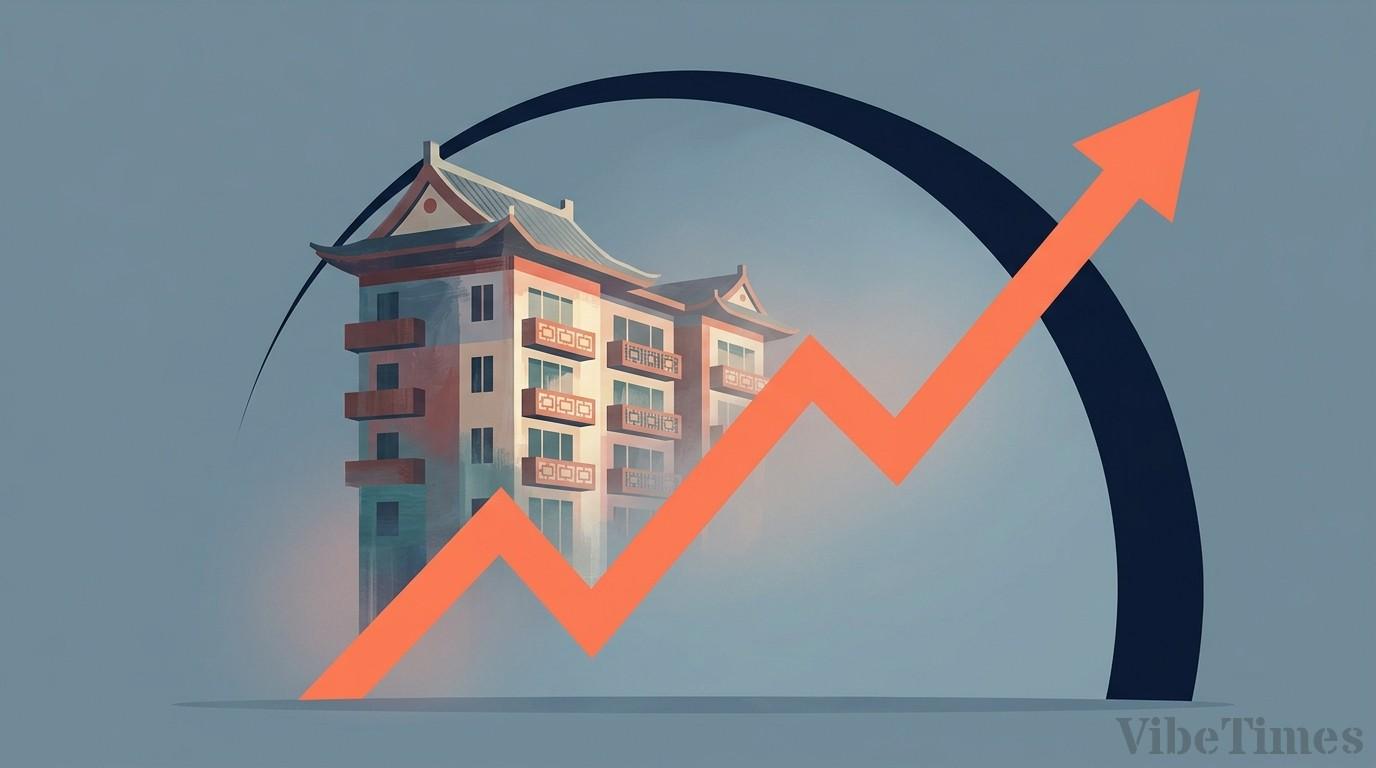
In the first quarter of this year, the combined monthly average expenditure on food and housing for a four-person household was 1.99 million won, a 9.3% increase year-on-year. Housing costs in the Seoul area rose by 20.6%, increasing the burden of essential expenses for households. Soaring jeonse (lump-sum deposit) and wolse (monthly rent) prices in Seoul drove the increase in housing costs. According to KB Real Estate, jeonse prices for apartments in Seoul increased by 6.77% and wolse prices by 8.99% over the year from May last year to May this year. When combined with food expenses, the monthly essential spending for a four-person household reached 1.99 million won, accounting for approximately 31% of the average monthly earned income (6.46 million won).
Analysis suggests that household real consumption capacity could shrink if the impact of high exchange rates in the second half of the year is reflected in food commodity prices and dining-out costs.
Major commercial banks have begun managing household loans. KB Kookmin Bank has limited the maximum overdraft facility to 50 million won, regardless of annual salary, starting from the 16th. Hana Bank, Shinhan Bank, NH Nonghyup Bank, and others have also begun to scale back credit loan limits and reduce the maximum term extension for overdrafts, signaling the full commencement of loan tightening by the banking sector. This action was taken after financial authorities requested voluntary management following a sharp 9.3 trillion won surge in household loans across all financial sectors last month. It was explained that if the growth trend does not slow, management levels could be heightened, including stricter criteria for high-earning individuals or further reductions in overdraft limits.
The return of foreign investors to the domestic stock market has influenced exchange rate stabilization. The won-dollar exchange rate closed at 1,519.8 won, down 9.1 won from the previous trading day. This resulted from foreign investors turning to net purchases worth approximately 2.1 trillion won in the domestic stock market for the first time in 25 trading days. Shin Hyun-song, the Governor of the Bank of Korea, stated that a current account surplus could contribute to increased demand for the won and exchange rate stability.
The savings bank industry will launch a 'special lifestyle stabilization fund loan for the low-to-medium credit segment' of up to 10 million won for borrowers in the bottom 50% of credit scores by the end of this month. This product provides an exception to the annual income regulation, potentially easing funding conditions for the low-income class to some extent. However, there are restrictions, including a prohibition on purchasing a house for one year after taking out the loan and a requirement for a verification process of its use. Due to the small loan limits and high interest rates, demand for 'debt-fueled investing' is not significant.