Rival Parties Clash Over Chairperson of Legislation Committee in 22nd National Assembly

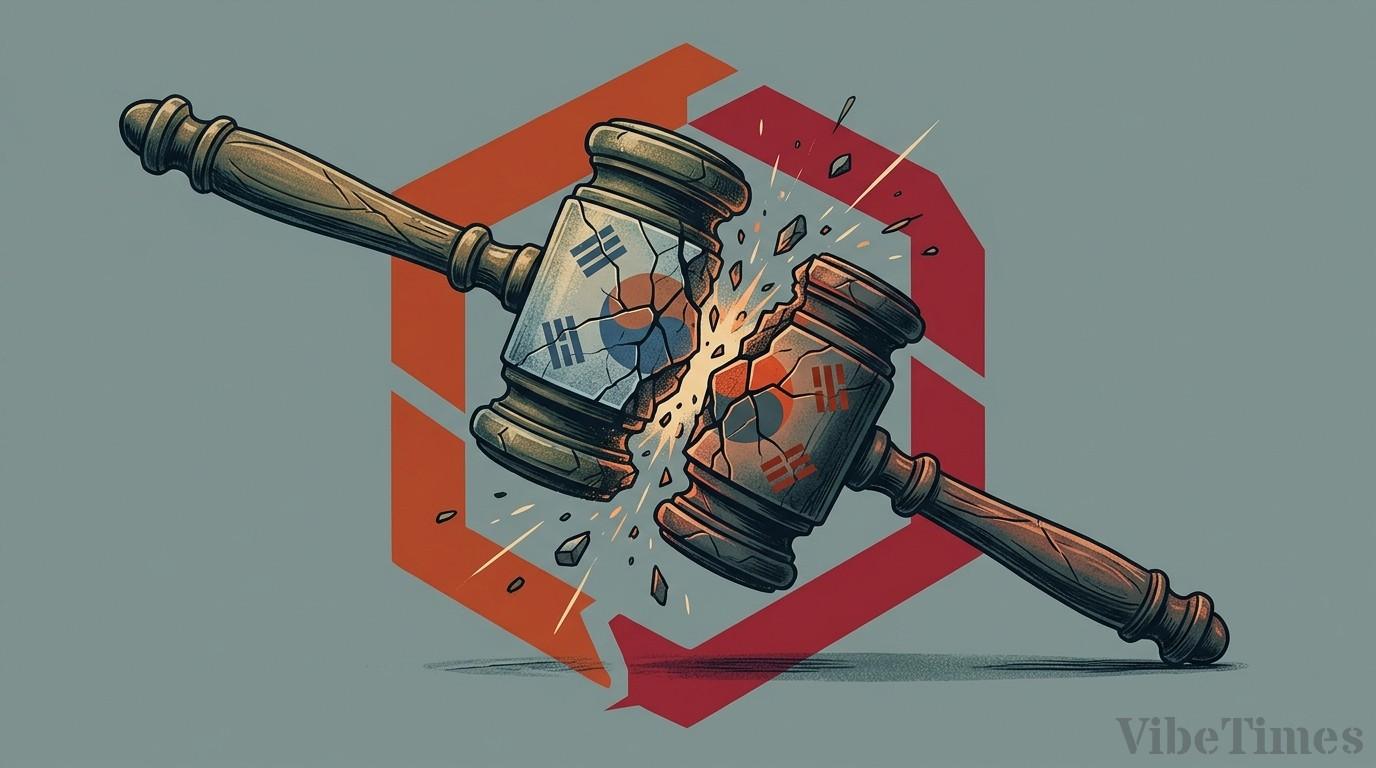
Stalled Negotiations for Assembly Committee Formation in 22nd National Assembly Amidst 'Clash' Over Legislation Committee Chairmanship
As negotiations intensify over the formation of committees for the second half of the 22nd National Assembly, a fierce war of nerves is underway for the chairmanship of the Legislation and Judiciary Committee. Difficulties are anticipated, particularly as the speed of legislation for various special prosecutor bills pushed by the opposition clashes with the government and ruling party's 'checks and balances' logic. The Democratic Party insists on securing the Legislation Committee chairmanship to prevent 'legislative tyranny,' while the People Power Party opposes it, citing 'judicial independence' and 'state stability.'
The confrontation between the ruling and opposition parties over the Legislation Committee chairmanship goes beyond mere distribution of standing committee chairs; it is poised to be a critical juncture determining who will seize the initiative in future National Assembly operations. The Legislation Committee is a core standing committee that finalizes deliberation and approval of various bills, and its chairmanship significantly influences the process and speed of bill passage. The Democratic Party believes controlling the Legislation Committee is essential for completing 'prosecutorial reform' and 'judicial reform' and has shown an intention to expedite related legislation. The declaration by Lee Ki-young, a lawmaker from the Jo Guk Innovation Party, to participate in legislative activities related to the party's key policy initiatives of 'prosecutorial reform' and 'judicial reform' in the 22nd National Assembly supports this trend.
Conversely, the People Power Party argues that it must secure the Legislation Committee chairmanship to block unilateral legislation by the opposition and promote stability in state governance. Remarks by former Daegu Mayor Hong Joon-pyo, who criticized, "If we continue to rush into legislative tyranny under the guise of prosecutorial reform, we will enter an era of police omnipotence and a paradise for criminals," reflect this internal sentiment. The People Power Party also employs the logic of needing to check the policy-pushing momentum of opposition lawmakers, such as Lee Byung-rae of the Democratic Party, who have expressed critical views on the current government's policies, stating, "There is insufficient public consensus." Choi Bo-yoon, the senior spokesperson for the People Power Party, had argued that "the opposition party must absolutely take the Legislation Committee chairmanship to block this administration's attempts to undermine the judiciary." This is ultimately interpreted as a clear expression of strong opposition to the various bills the opposition is expected to pursue through the Legislation Committee, especially the special prosecutor bills.
Special Prosecutor Bill Debate Intensifies... Controversy Over 'Ballot Shortage Incident'
The disputes between the ruling and opposition parties extend beyond the Legislation Committee chairmanship to the debate over introducing a special prosecutor for the recent 'June 3rd local election ballot shortage incident.' Jang Dong-hyuk, the leader of the People Power Party, proposed to Jung Cheong-rae, the leader of the Democratic Party, and Prime Minister Han Duck-soo, "Let's meet today to discuss a re-election and a special prosecutor" regarding the June 13th local election ballot shortage. This shows the opposition's offensive demanding the introduction of a special prosecutor to clarify the facts and prevent recurrence, met with the People Power Party counter-proposing the 'special prosecutor' card to continue the exchange. Choi Soo-jin, the senior deputy floor leader of the People Power Party, stated, "The election, which should be the flower of democracy, has become a mess due to the incompetence of the Election Commission," and argued that clarifying the facts through the Election Commission's own investigation is difficult, and only a parliamentary inquiry and a special prosecutor can provide answers. This can be seen as a demand for a thorough investigation by an independent body, rather than the Election Commission's 'self-investigation.'
In addition, the fact that a second summons investigation of former President Yoon Suk-yeol by the 'Comprehensive Special Prosecutor' team has been conducted has further heightened political tensions. The second Comprehensive Special Prosecutor team summoned and investigated former President Yoon Suk-yeol for about nine hours on the 13th, delving into allegations related to 'rebellion' and 'foreign invasion.' Considering that investigations are underway into whether the deployment of troops to the National Assembly and other locations during the December 3rd emergency martial law constitutes not only insurrection but also rebellion under the Military Criminal Act, the progress of this special prosecution could also act as a variable influencing future political confrontations between the ruling and opposition parties. With expectations that Jang Dong-hyuk of the People Power Party will continue a defensive stance by using the 'ballot special prosecutor' as a shield, the results of the party caucus scheduled for this week are expected to be a major turning point in the negotiations for assembly committee formation.
Prospects for Legislative Process and Impact on Markets/Industries
The negotiations for committee formation in the latter half of the 22nd National Assembly are expected to see a significant shift in legislative speed and direction depending on who secures the chairmanship of the Legislation Committee. The party that secures the chairmanship will wield influence in the deliberation process of various bills, enhancing its policy-pushing power. For instance, if the Democratic Party gains control of the Legislation Committee, bills related to 'prosecutorial reform' and 'judicial reform' are highly likely to be expedited. Remarks by Kim Jin-kyu, a Democratic Party lawmaker, urging swift passage of the 'Chae Sang-byeong Special Prosecutor Bill' after opposing the President's veto, demonstrate this legislative push. Conversely, the People Power Party is expected to strive to check the opposition's unilateral control of the Legislation Committee and apply the brakes to policy advancement.
These fierce legislative battles between the ruling and opposition parties could have a significant impact on related industries. In particular, bills related to prosecutorial and judicial system reforms could alter the standards and scope of law enforcement, thereby increasing or decreasing the predictability of corporate activities. For example, adjustments to the prosecution's investigative powers, strengthening or weakening of indictment rights, could directly affect corporate operations and investment decisions in various sectors such as finance, law, and IT. Furthermore, the statement by National Security Advisor Wi Sung-lak during his visit to the G7 summit, where he noted "achievements in seeking countermeasures to ensure the EU's economic security self-help efforts do not operate as barriers to entry into Europe for us," suggests that legislation and regulations have a considerable impact on the international economic order. Therefore, it is necessary to closely monitor the potential repercussions on the domestic and international economic and industrial environment based on whether and how future bills are passed by the National Assembly. The timing of bill passage may be fluid depending on the consensus process between the parties and the parliamentary schedule, but full-fledged discussions are expected to commence after the Legislation Committee is formed.