Won-Dollar Exchange Rate Tops 1500 Won; SMEs Face 'Double Blow'

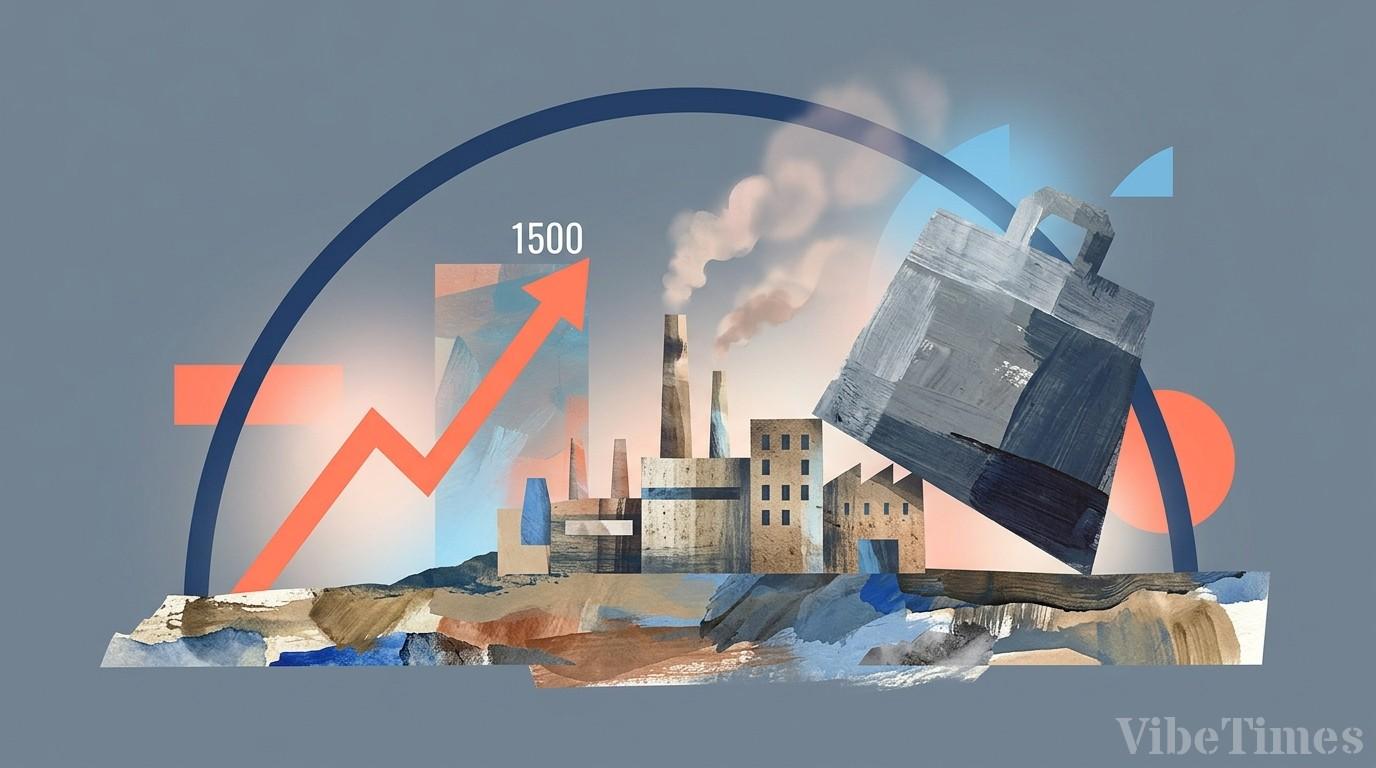
As the Won-Dollar exchange rate surpasses the 1500 won mark, small and medium-sized enterprises (SMEs) find themselves caught in a double bind: simultaneously facing rising raw material costs and frozen prices for goods they procure. Manufacturers that import a significant amount of raw materials or components struggle to pass on the increased costs from the surging exchange rate to product prices, leading to reduced earnings.
As of today, the Won-Dollar exchange rate stands at 1514 won, an 11.8% increase compared to a year ago. Persistently high exchange rates deal a particularly severe blow to industries that import basic raw materials, such as petrochemicals, metal processing, machinery, and food. These sectors tend to see the prices of imported raw materials rise in tandem with the exchange rate, exacerbating cost burdens as the rate climbs.
A representative of a small steel company focused on exports to the Americas, identified as Mr. A, stated that the high exchange rate has increased raw material burdens and that the prolonged period of a strong dollar is also hindering new orders. With large corporations in the automotive and electronics sectors relocating production bases overseas, domestic work has decreased, leading to a 20-30% drop in sales this year compared to the previous one.
The pressure of negotiating supply prices with larger corporations also weighs heavily on SMEs. Due to the buyer-supplier structure where cost increases cannot be promptly reflected in supply prices, SMEs bear the brunt of the impact from high exchange rates. For exporting SMEs with fewer hedging tools compared to large corporations, the high exchange rate crisis acts as a more significant adverse factor.
The volatility of the exchange rate itself is a source of great fear for the SME sector. SMEs, lacking any infrastructure for managing foreign exchange risk, find it difficult to forecast not only their business plans for the next year but even their raw material orders for the following month. A study published last year by the Korea Small and Medium Business Institute indicated that foreign exchange risk accounts for up to 25% of manufacturing SMEs' operating profits, with a 1% rise in the Won-Dollar exchange rate leading to an approximate 0.36% increase in foreign exchange losses.
Some view the current high exchange rate crisis not as an issue for individual companies but as a structural disaster stemming from macroeconomic shocks. Professor Kim Dae-jong of Sejong University's Business Administration department suggested that essential solutions lie in strengthening SMEs' self-reliance through enhanced supply price linkage systems, regulatory reforms, and support for digital transformation, alongside proactive government efforts to stabilize the exchange rate.