People Power Party Proposes Bill to Abolish Early Voting, Extend Main Voting to Two Days

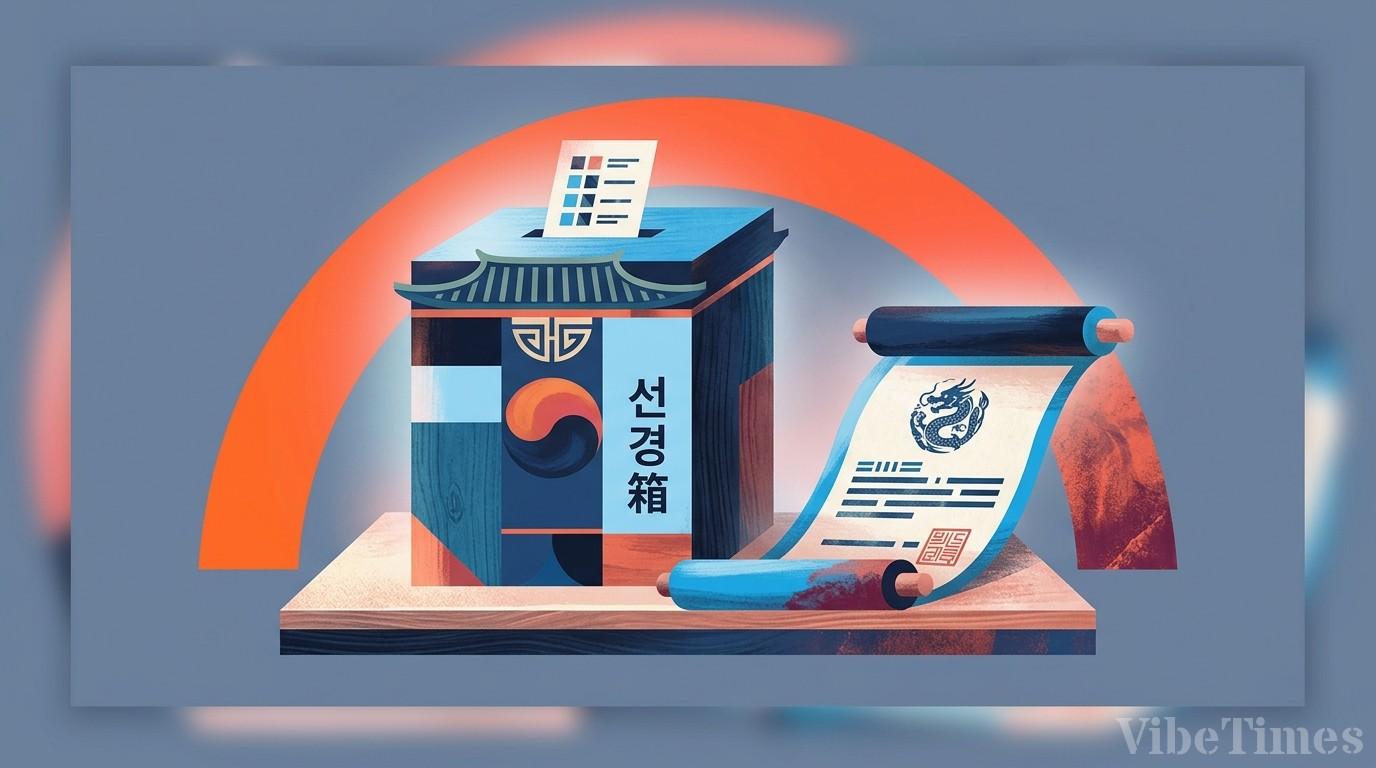
Controversy Over Abolishing Early Voting... People Power Party Proposes Bill to Extend Main Voting to Two Days
The People Power Party (PPP) proposed a revision bill to the Public Official Election Act on the 18th, at the party level, to abolish the early voting system and extend the main voting period to two days. This bill, co-sponsored by numerous lawmakers including Han Dong-hoon, who was elected in the recent Busan North-Gap by-election, was put forward out of a perceived need to reconsider the rationality of the electoral system, prompted by incidents such as the shortage of ballots during the recent June 3rd local elections. The proposed legislation also includes provisions to reintroduce a modified version of the existing 'absentee voting' system, and is expected to bring significant changes to the operation of the electoral system going forward.
Traditionally, early voting has been credited with increasing voter turnout and enhancing voter convenience. However, the local elections held on June 3rd saw questions raised about the operational methods and effectiveness of early voting due to ballot shortages and procedural confusion in some areas. Concerns were particularly voiced that early voting could unfairly benefit certain parties or candidates, leading to controversy over the fairness and reliability of the voting process. Against this backdrop, the PPP is pursuing the abolition of early voting and the extension of main voting days as an alternative to enhance the efficiency and fairness of election management.
Key Contents of the Bill to Abolish Early Voting and Extend Main Voting
The core of the Public Official Election Act revision bill, proposed by PPP lawmaker Park Dae-chul, is to completely abolish the early voting system while extending the main voting period from the current one day to two days. Simultaneously, the party is considering reintroducing a modified version of the 'absentee voting' system, which was operated in the past. Absentee voting is a system for voters who are unable to vote in person due to special circumstances, such as mobility issues or residing overseas, and while it shares a similar purpose with early voting, its management method differs. The revision aims to preemptively address various problems that could arise during the early voting process and create an environment where all eligible voters can participate equally.
If the bill passes, voters will be able to cast their ballots on election day and the following day. This would provide additional voting opportunities for those who could not participate in early voting or for those who face personal difficulties on the main election day. Furthermore, the National Election Commission is expected to be able to efficiently distribute voting personnel and materials over the two-day period, easing congestion at polling stations and operating the voting process more smoothly. For instance, analyses suggest that ballot shortages in some areas during the June 3rd local elections were due to discrepancies between predicted early voting turnout and actual turnout, as well as insufficient preparation in the material distribution process. Extending the main voting period to two days could dilute this preparation burden and reduce the likelihood of similar incidents recurring.
Debate and Social Impact
The proposal has drawn varied reactions from political circles and civil society. The PPP argues that abolishing early voting will increase transparency in the election process and help resolve alleged suspicions of vote manipulation. PPP Floor Leader Chung Jin-suk has also called for reform of the National Election Commission and the introduction of a special prosecutor, stating, "A parliamentary inquiry without investigative powers has limitations in uncovering the truth," reflecting a sentiment that the entire election management system needs to regain public trust.
Conversely, the Democratic Party of Korea and some civic groups express concern that abolishing early voting could lower overall turnout and hinder participation from certain demographics. They argue that early voting has contributed to increased voter turnout and expanded democratic participation, making its abolition a step backward. Criticisms are also raised that reintroducing the absentee voting system could lead to past administrative inefficiencies or new controversies. While lawmakers like Kim Kwang-yeol emphasize the need to prepare concrete policies for economic recovery, some view this election law revision as a debate driven by political gains.
This back-and-forth debate highlights the continued lack of social consensus on the electoral system. Voters seek a balance between convenience and the fairness of elections. If the bill passes, while the physical and administrative burdens of the election process may slightly increase, public trust in the voting process and election management could change. It remains to be seen whether extending the main voting period will effectively boost voter turnout, particularly for younger voters and those employed, who have grown accustomed to the convenience of early voting.
Future Prospects and Legislative Process
The bill initiated by the People Power Party to abolish early voting must pass through the National Assembly plenary session. Given the clear differences in opinion between the ruling and opposition parties, significant challenges are anticipated during the legislative process. The bill is expected to be deliberated in relevant standing committees, such as the Legislation and Judiciary Committee, reviewed by the Steering Committee, and then finally submitted to the plenary session. While each party may seek to leverage this bill as an opportunity for electoral reform, they are also likely to adopt a cautious stance considering its potential impact on elections.
If the bill is passed by the National Assembly, the new electoral system would likely take effect from the next election. To this end, the National Election Commission would need to commence preparations, including adjusting voting procedures, personnel deployment, and budget allocation to comply with the new regulations. Considering the ongoing debates, it is not impossible that the bill's details could be amended or supplemented. Furthermore, the fate of this bill could be decided through its linkage with other legislative efforts, such as prosecutorial reform advocated by lawmakers like Maeng Jeong-ho and Kim So-yeon, or the push for a special prosecutor for First Lady Kim Keon-hee. Ultimately, forming a consensus among the public on how they wish to participate in elections will be a crucial measure of the legislative success.
