Abolition of Prosecutorial Investigation Rights: After 78 Years, Principle of Complete Separation of Investigation and Indictment Introduced

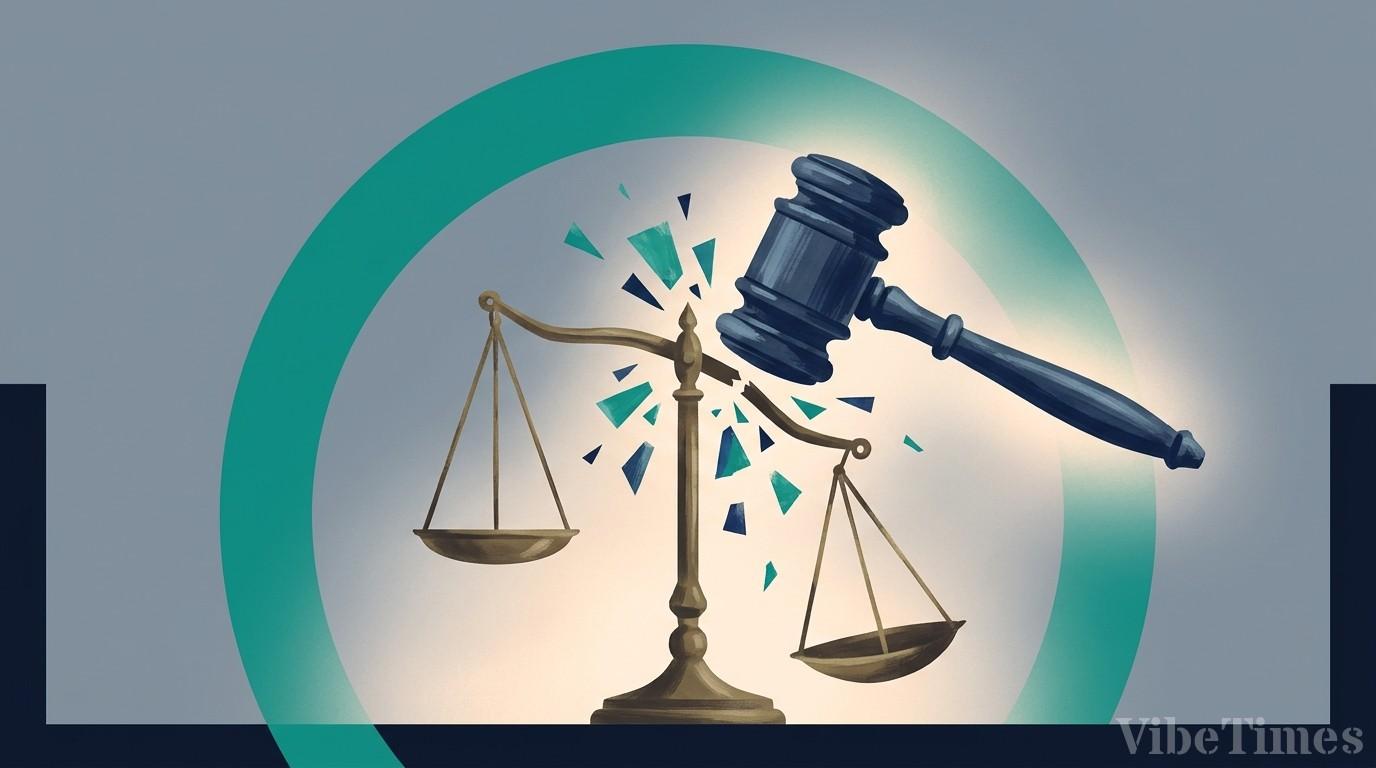
A 78-Year Judicial Shift: Complete Separation of Investigation and Indictment
The most significant structural change to the judicial system since the enactment of the Criminal Procedure Act in 1954 has been implemented. On the 31st of last month, the plenary session of the National Assembly passed a revision to the Criminal Procedure Act that completely abolishes the prosecution's investigation and supplementary investigation powers. This effectively establishes the legal foundation for the principle of 'complete separation of investigation and indictment,' where the police are solely responsible for investigations and prosecutors solely determine whether to indict, after 78 years. Consequently, the image of the 'prosecutor actively scouring crime scenes,' a staple of criminal justice dramas, has officially disappeared.
This legislation marks the final outcome of the speed-driven prosecution reform pursued since the inauguration of the Lee Jae-myung administration. It took approximately a year and two months after the government took office for the related bills to pass the National Assembly, drawing a significant line in judicial history. Led by the ruling Democratic Party, the core of this revision is the unification of all investigative powers—including direct investigation into crimes involving abuse of authority and corruption—with the police. With the conclusion of the pre-indictment investigation structure, where the prosecution held the exclusive right to initiate investigations, the core axis of the judicial system is being redefined.
Clashing Views on Power Balance and Political Confrontation
Intense debate unfolded within political circles and civil society during the bill's passage. The ruling party maintains that this is an essential legislative measure to prevent the abuses of a prosecution that has reigned as a monopolistic power and to establish checks and balances among power institutions. They argue that strict separation of investigation and indictment is necessary to prevent biased investigations against major opposition parties or key power figures and to protect the weak. In contrast, the opposition People Power Party (PPP) reacted strongly, arguing that the revision to the Criminal Procedure Act contains clear elements of unconstitutionality. The PPP announced it would immediately file a constitutional complaint and began pressuring the government.
Third-party political forces also offered sharp criticism. Lee Jun-seok, leader of the Reform Party, argued that the abolition of supplementary investigation powers would ultimately result in a structure that disarms the weak and allows the strong to escape punishment. He specifically urged President Lee Jae-myung to exercise his veto power immediately. However, the Presidential Office expressed its stance of respecting the will of the people, as the bill was passed based on a majority of seats. The PPP criticized the Presidential Office, noting that while it had remained silent on public opinion regarding the retention of supplementary investigation powers, it immediately expressed respect for the bill after its passage, calling the situation deplorable.
As the opposition's claim that legislation shaking the foundations of the judicial system requires the Constitutional Court's final judgment before legal effect takes place is gaining momentum.
Ripple Effects on the Judicial Market from the Unification of Investigative Authority
With investigative authority completely transferred to the police, a significant expansion of the police organization's budget and infrastructure, including investigative personnel and equipment, is anticipated. Simultaneously, the reduction of investigative staff and the reorganization of departments within the Supreme Prosecutors' Office have become inevitable. As the authority for prosecutors to directly request warrants and secure physical evidence shifts to the police, the weight of the police's primary case processing will become much higher than it is now. Discussions on the establishment of additional monitoring bodies to control potential human rights violations during investigations or the excessive concentration of power in the police are also expected to become active.
Experts point out that if police capacity is lacking in specialized investigation areas such as power corruption cases, which require a high degree of expertise, substantive justice may collapse. Short-term measures to enhance the expertise of investigative agencies and train personnel are urgently needed to prevent a decline in the quality of investigations. Furthermore, if an independent monitoring mechanism to check the massive investigative authority concentrated in the police is not clearly defined by law, there is an inherent risk that it could transform into a new hotbed for power abuse.
Focus on Follow-up Legislation and the Constitutional Court's Decision
President Lee Jae-myung has finalized his decision not to exercise his veto power on the relevant revision, despite his schedule returning from a tour of South America. If the veto is not exercised within 15 days of the plenary passage, the bill will be officially promulgated and take effect. The Democratic Party plans to push for about 190 follow-up legislative measures in a package by next month at the latest to minimize potential side effects resulting from the abolition of supplementary investigation powers. This is a strategy to refine the system for relieving investigation victims and remedying rights violations.
The opposition's key follow-up response card is the swift processing of the 'Complete Transfer of Seven Major Crimes' bill. The Democratic Party's Judiciary Committee declared it would process as quickly as possible a plan mandating that investigation results for serious crimes, such as murder and robbery, be unconditionally handed over to prosecutors. The aim is to eliminate the public anxiety of crime victims by fundamentally blocking the police's authority to conclude investigations into serious crimes. If the controversy over the revision's unconstitutionality is referred to the Constitutional Court, a significant judicial void is inevitable until the final decision on its validity is reached. As the fundamental shift in the judicial system is set to bring changes to the daily lives of the people and the ecosystem of power institutions, the process of its institutional settlement requires close monitoring.