June 19 Legislative Report: Probe Committee Launched, Lee Jun-seok Joins

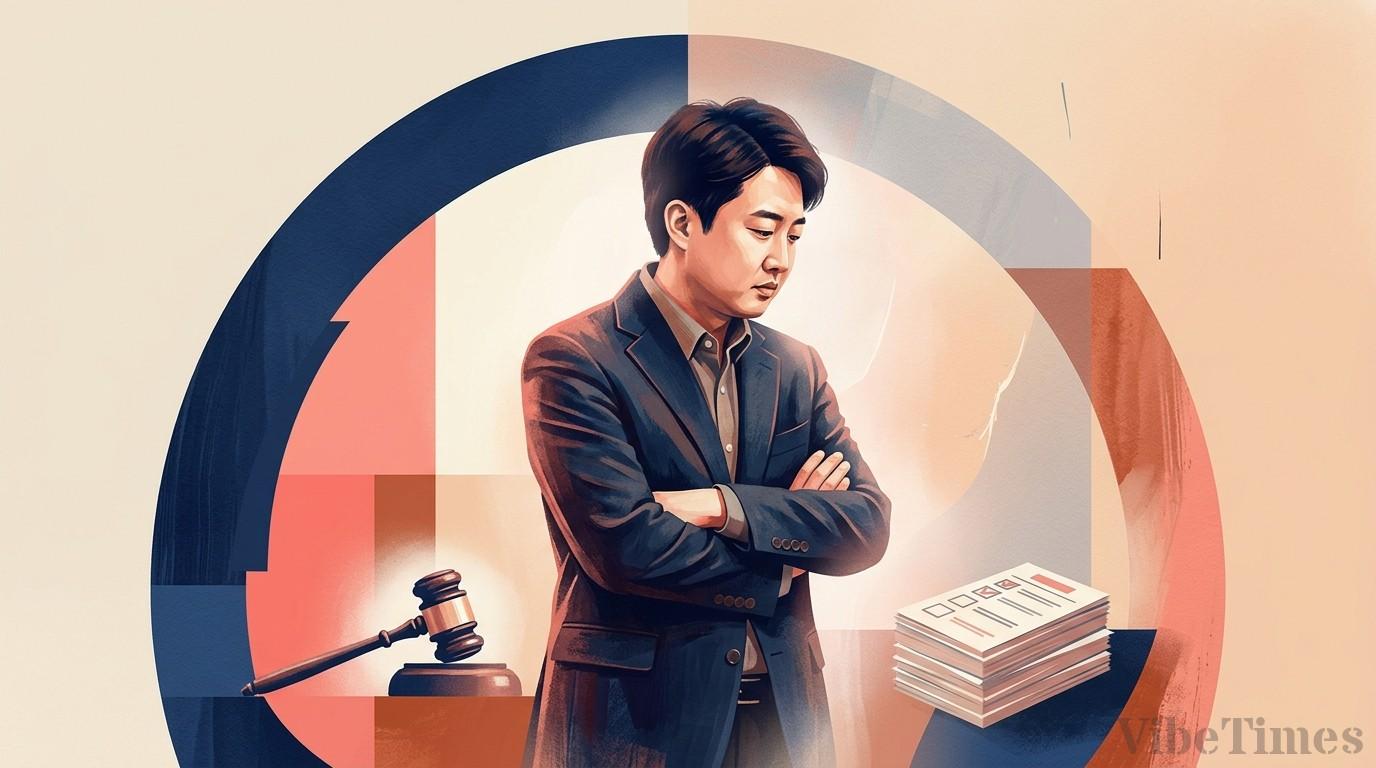
Probe Committee Launched, Lee Jun-seok Takes One of Two Seats for Minor Parties
The National Assembly held a plenary session on June 18 and, with bipartisan agreement, passed a resolution for a parliamentary inquiry into "the truth-finding and election management reform regarding the shortage of ballots in the 9th National Simultaneous Local Elections." The Special Committee for the National Inquiry will launch a fact-finding investigation into the National Election Commission for a total of 45 days, until August 1.
The committee is comprised of 18 members: nine from the Democratic Party of Korea, seven from the People Power Party, and two from non-negotiating groups. Lee Jun-seok, leader of the Reform Party, secured one of the two seats allocated to non-negotiating parties, officially joining the investigation led by the People Power Party. Yoon Sang-hyun, a People Power Party lawmaker, has been designated as the committee chairman, and Rep. Yoon Kun-young, former floor leader for the People Power Party's Public Administration and Security Committee, will serve as the ruling party's whip.
Political Context and Significance of Lee Jun-seok's Participation
Rep. Lee Jun-seok's participation in the special committee as the lawmaker for the Hwaseong constituency carries significance beyond mere seat allocation. The ballot shortage incident during the June 3 local elections is an issue that the Reform Party has consistently called for electoral commission reform on. His entry into the committee as a representative of a non-negotiating party can be evaluated as enhancing parliamentary diversity, demonstrating that even smaller parties in the National Assembly can carry out core oversight functions.
The scope of the investigation is broadly divided into three axes. The focus will be on the circumstances surrounding the ballot shortage incident and any deficiencies in the process of establishing printing quantity standards, the National Election Commission's on-site management on the day of the incident, and the timing of the commission's awareness of the facts and the appropriateness of its subsequent response measures. Police actions concerning assemblies and protests near polling and vote tabulation stations were also included in the scope of the investigation.
Legislative Competition Intensifies, Proposal to Abolish Early Voting Emerges
In parallel with the national inquiry, both ruling and opposition parties are expediting legislative efforts to prevent recurrence by introducing separate revisions to the Public Official Election Act. Rep. Park Dae-chul of the People Power Party (Jinju-gap, Gyeongsangnam-do) introduced a bill on June 18 to abolish early voting and extend the main voting period to two days. Former party leader Han Dong-hoon also co-sponsored this bill.
The argument for abolishing early voting has rapidly gained traction following the recent ballot shortage incident. This is based on criticisms that there was a significant discrepancy between the predicted demand for early voting and the actual turnout. However, the opposition parties maintain their stance against the proposal, arguing that abolishing early voting altogether would significantly reduce voter convenience and lead to a drop in turnout, making the bill's passage through the National Assembly uncertain.
Han Byung-do, the floor leader of the Democratic Party of Korea, emphasized the party's resolve to secure leadership of the Legislation and Judiciary Committee in negotiations for the latter half of the parliamentary session, stating, "If the People Power Party regains control of the Legislation and Judiciary Committee, it will become a legislative graveyard."
Outlook: 45-Day Inquiry Expected to Spur Electoral System Reform Discussions
This national inquiry is likely to extend beyond merely holding the National Election Commission accountable, leading to discussions on systemic reforms for the overall election management system. The fact that 13 laws have not been amended despite Constitutional Court rulings of unconstitutionality, and 11 laws remain in a state of constitutional non-conformity (as of June 18, according to Chosun Ilbo), will serve as a test of the National Assembly's legislative will.
Following the conclusion of the national inquiry on August 1, discussions are expected to intensify regarding amendments to related laws, including the Public Official Election Act and the National Election Commission Act, based on the committee's findings. With Lee Jun-seok, leader of the Reform Party, participating as a representative of a non-negotiating party, a structure is in place for the perspectives of smaller parties to be reflected in the final report. However, significant hurdles are anticipated in reaching agreements on key issues, particularly concerning the stark differences between the ruling and opposition parties on whether to retain early voting.