Domestic Gas Prices Hold Steady Despite International Oil Price Plunge

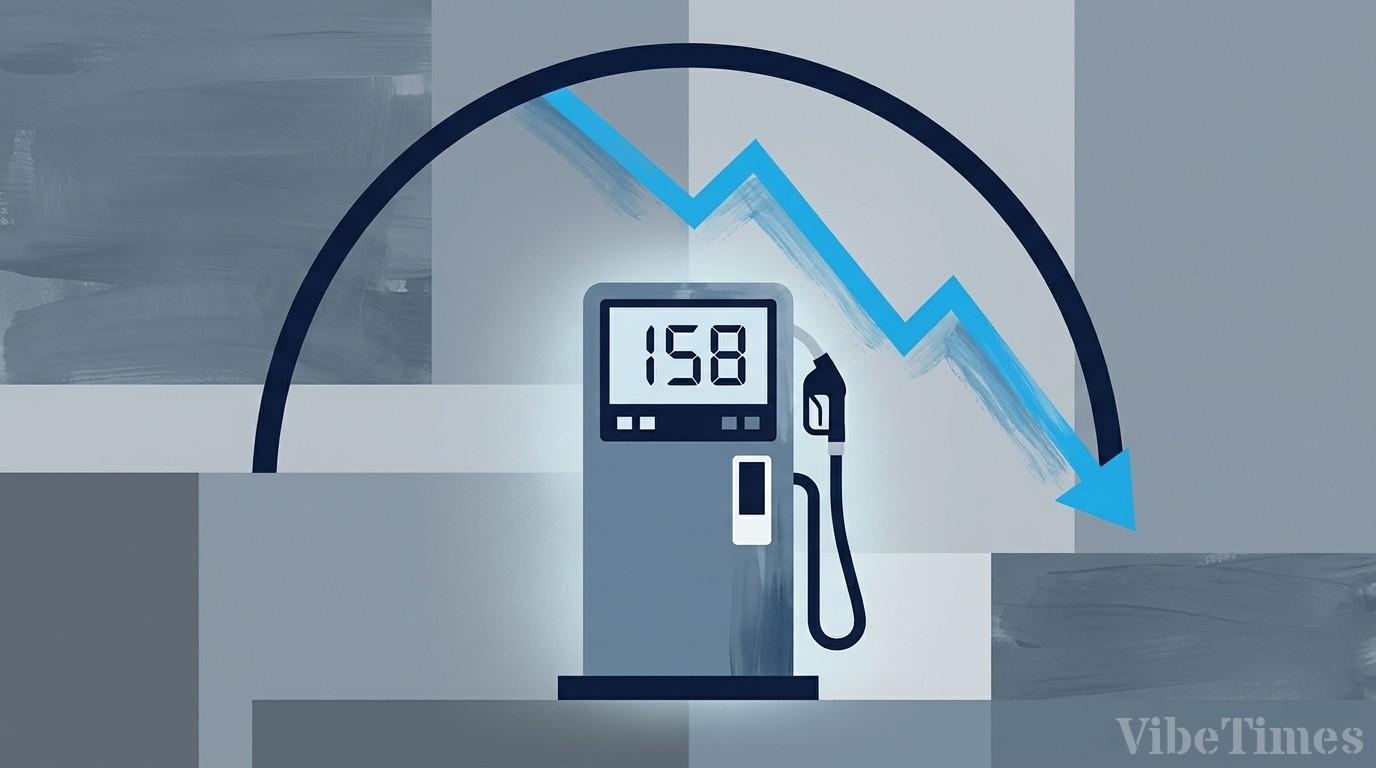
Despite a significant drop of over 30% in international oil prices following news of eased tensions between Iran and the United States, domestic gasoline prices at local gas stations continue to hold steady around the 2,000-won mark. It typically takes 2-3 weeks for fluctuations in international oil prices to be reflected in domestic prices, with the effects of the recent international price drop expected to appear from early to mid-July.
One reason international oil price drops are not immediately reflected in consumer prices is the continued high won-dollar exchange rate, which has acted as a factor slowing down domestic price adjustments. This exchange rate remained above 1,500 won for 24 consecutive trading days from May 15th to June 19th.
Uncertainty surrounding the Strait of Hormuz also acts as a variable. With the United States and Iran engaged in ceasefire negotiations, and Iran hinting at the possibility of re-blocking the strait, market caution persists. This raises concerns that it could lead to increased transportation costs in the future, offsetting the benefits of lower oil prices.
The government's implemented maximum oil price system is being carefully reviewed for its continued validity. An immediate lifting of this system could cause a surge in domestic oil prices as previously suppressed price hike factors are reflected all at once. The government will make a decision after comprehensively considering factors such as the normalization of passage through the Strait of Hormuz, progress in US-Iran negotiations, and international oil price trends.
Industry insiders explained that even if international crude oil prices fall, domestic oil prices are unlikely to quickly return to pre-war levels due to a system that reflects exchange rates, international petroleum product prices, taxes, and distribution costs. They added that the extent of price reductions felt by consumers is also limited.