South Korea's Minimum Wage Surpasses G7 Average, Federation Finds

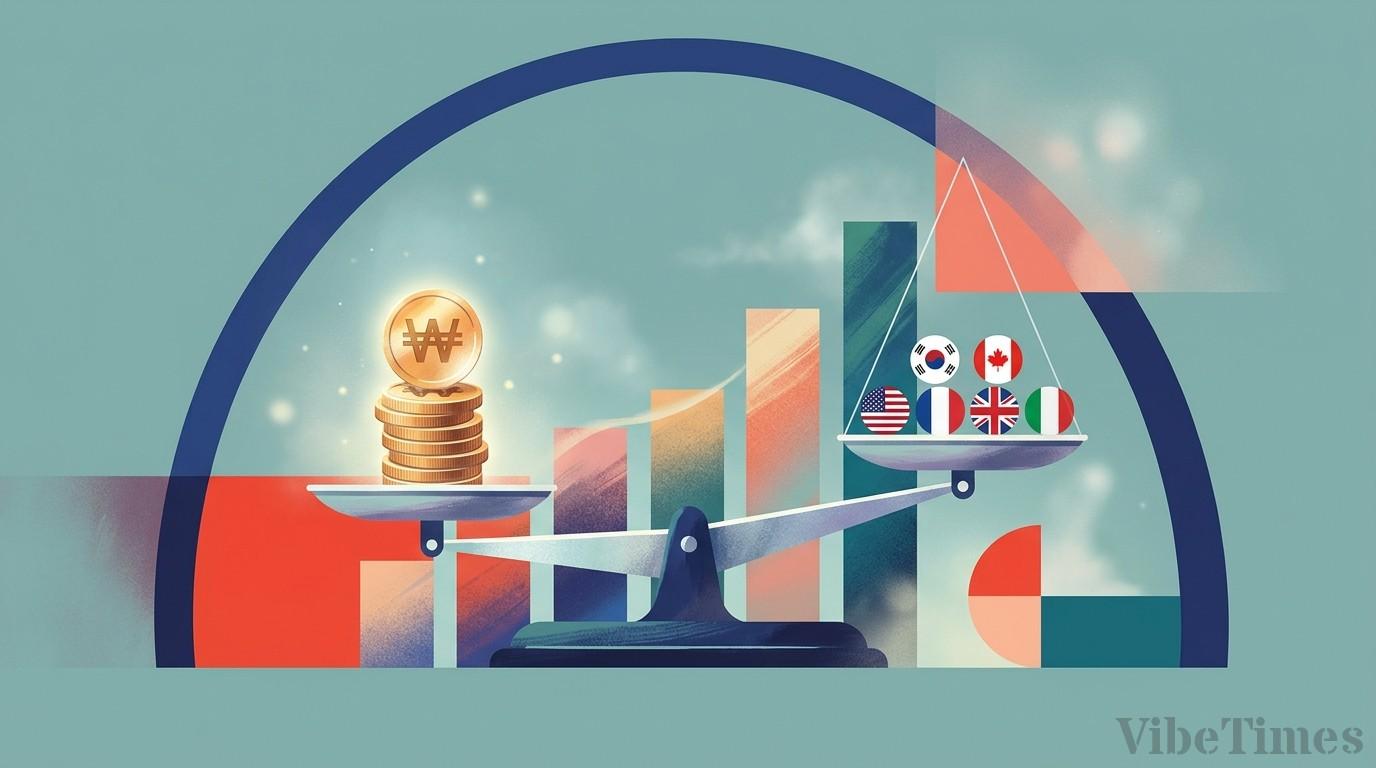
The Korea Employers Federation (KEF) has released a report titled 'Analysis of Factors for Minimum Wage Adjustment for 2027 Based on Key Statistics.' According to the report, the minimum wage level set for application in 2027 was 6.4% higher than the average of the Group of Seven (G7) countries when adjusted for Purchasing Power Parity (PPP). This suggests that South Korea's hourly minimum wage is relatively high compared to other developed nations.
South Korea's annualized minimum wage, based on PPP, was 6.4% higher than the G7 average, and its net real level was found to be 17.9% higher than the G7 average. The KEF analyzed that South Korea's minimum wage relative to its median wage stood at 62.2%, exceeding the upper limit of 60%. The minimum wage as a percentage of the average wage was 52.7%, surpassing the 35% threshold that the IMF considers a negative shock to employment. The KEF added that South Korea's real minimum wage level is globally very high.
Over the past decade (2015-2025), South Korea's nominal wages rose by 39.6% and the consumer price index increased by 22.9%. In contrast, the minimum wage saw a 79.7% increase. The statutory minimum wage hike rate for workers employed 15 hours or more per week during the same period was 115.9%. Meanwhile, South Korean workers' hourly labor productivity ($55.2) accounted for only 68.8% of the G7 average ($80.2).
Last year, the rate of workers earning below the statutory minimum wage (underpayment rate) increased to 12.4%. This is a threefold increase compared to 2001 (4.3%), and the number of underpaid workers also grew from 577,000 to 2,769,000.
Ha Sang-woo, a management representative on the Minimum Wage Committee and a director at the KEF, stated that the minimum wage for 2027 should be determined based on the circumstances of businesses facing difficulties, such as the accommodation and food service sector and establishments with fewer than five employees.