National Assembly Intensifies Phase 2 Legislation for Digital Asset Basic Law

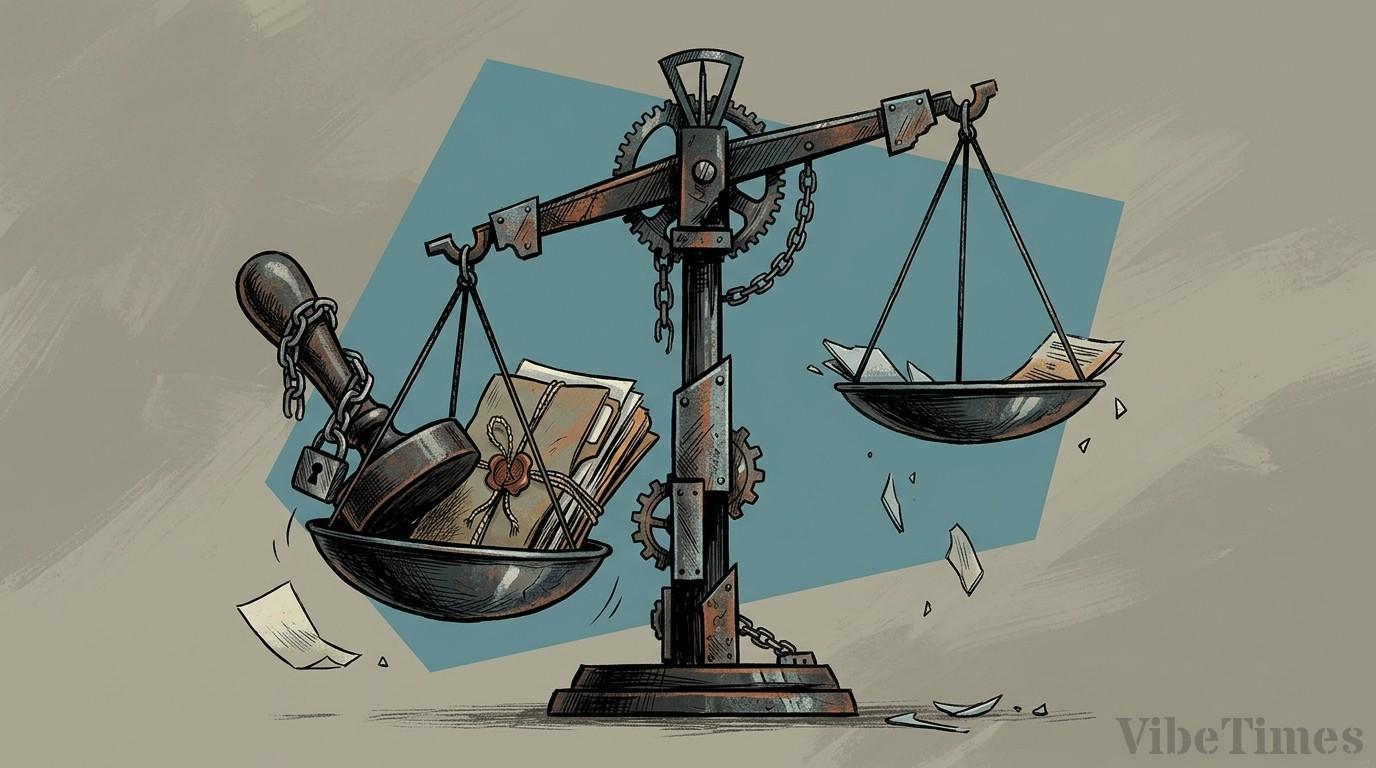
National Assembly Steps Up Discussions on Phase 2 of 'Digital Asset Basic Law' ... Integration into Market Infrastructure is Key
Discussions are gaining momentum in the National Assembly for the second phase of legislation for the 'Digital Asset Basic Law,' aimed at integrating digital assets into the established financial system. Analysis suggests that the core of this bill goes beyond simple virtual asset regulation, focusing instead on incorporating digital assets as a pillar of financial infrastructure. Hwang Seok-jin, a professor at Dongguk University's Graduate School of International Information Protection, emphasized that the essence of Phase 2 legislation for the Digital Asset Basic Law lies in the integration of digital assets into financial infrastructure, rather than just regulation, highlighting the importance of related discussions.
The new legislative discussions are being pursued with the goals of responding to the rapidly changing digital financial environment, strengthening investor protection, and supporting innovative technological advancements. While previous regulations tended to focus on virtual asset exchanges or issuers, this bill attempts to define the scope and nature of digital assets more broadly, clarifying their functions and use cases within the established system. This is expected to lay the groundwork for sound growth of the digital asset market and create synergy with the traditional financial system.
What's Included in Phase 2 of the Digital Asset Basic Law
The main components of Phase 2 of the Digital Asset Basic Law include expanding the definition of digital assets and establishing a comprehensive regulatory framework for their issuance, circulation, custody, and investment. The bill plans to classify various types of digital assets currently under discussion and assign appropriate supervision standards and obligations for each type. For instance, digital assets that can be considered securities under the Capital Markets Act, such as security tokens, may be subject to supervision levels similar to securities regulations. Conversely, separate regulations for consumer protection and fair trade are expected to be established for digital assets that can be utilized as utility tokens or payment methods.
In particular, the bill is anticipated to include strengthened obligations for digital asset issuers. Issuers will be required to meet stringent standards, such as transparent information disclosure, maintaining financial soundness, and establishing mechanisms for investor protection. Furthermore, businesses like digital asset exchanges are expected to face requirements such as obtaining licenses, complying with Anti-Money Laundering (AML) regulations, and enhancing information security. These measures are expected to increase market transparency, prevent illicit activities, and thereby secure investor trust.
Significant advancements are also anticipated in terms of consumer protection. The bill is expected to contain specific measures to protect investors from unfair trading practices, fraud, and asset theft. For example, discussions may include strengthening the segregated deposit obligations of exchanges, clarifying terms of use, and establishing dispute resolution procedures. The goal is to mitigate various risks arising in the digital asset market and foster an environment where consumers can invest with confidence.
Debate and Expected Market Impact
Debate surrounding Phase 2 of the Digital Asset Basic Law is already heating up. Proponents of the bill's objectives positively assess the potential for legitimate growth in the digital asset market and enhanced investor protection. They argue that this legislation will serve as a crucial stepping stone for South Korea to become a leader in the global digital asset market. In particular, they believe that resolving regulatory uncertainty will encourage the entry of domestic and international institutional investors, thereby expanding the market size.
On the other hand, some express concerns that overly stringent regulations could stifle innovation. Specifically, they point out that applying uniform regulations to the complex and diverse nature of digital assets could hinder the development of new technologies. There are also concerns that increased compliance costs could burden small startups or new businesses, weakening market competitiveness. Issues concerning the regulatory authorities' capacity and the difficulty of law enforcement are also being raised.
These legislative discussions are expected to have a significant impact on the digital asset market as a whole. Once the bill is passed, digital asset issuance and circulation businesses will need to re-evaluate their business models in line with the new regulatory environment. Existing exchanges, as well as decentralized finance (DeFi) protocols and non-fungible token (NFT) related businesses, may undergo operational changes as they are brought under the legal framework. Additionally, the participation of traditional financial institutions in the digital asset market is likely to become more active. While this could foster financial market innovation and create new investment opportunities, it also warrants close observation due to the potential for conflicts with the existing financial system or unforeseen side effects.
Future Legislative Process and Outlook
The second phase of the Digital Asset Basic Law is expected to face considerable challenges. Once the bill is submitted to the National Assembly, it will undergo review by the relevant standing committees before a vote in the plenary session. During this process, it is highly likely that differences between the ruling and opposition parties will need to be reconciled, opinions from various sectors will be gathered, and public hearings may be held. Intense debate is anticipated regarding the specific details of the bill, particularly the stringency and scope of regulation. Experts emphasize the importance of a cautious approach in drafting the bill, along with regulatory designs that can flexibly adapt to the rapidly changing technological environment.
Currently, the relevant standing committees in the National Assembly are reviewing the bill, and public discussions are expected to commence soon. The target is to pass the bill within the year, though delays are possible depending on the difficulties encountered during the discussion process. Once the bill is finalized, follow-up work will ensue to establish detailed enforcement decrees and subordinate regulations, during which opinions from various parties will be reflected. Ultimately, after the bill is promulgated, it is expected to come into effect after a grace period.
The government and the National Assembly will strive to achieve a balance between promoting the sound development and innovation of the digital asset market and protecting investors through this legislation. As the bill's content will have a profound impact on market participants, it is considered crucial to closely monitor the legislative process and prepare for market changes.