Daiso Tile Stickers: How to Achieve a Natural Bathroom Look

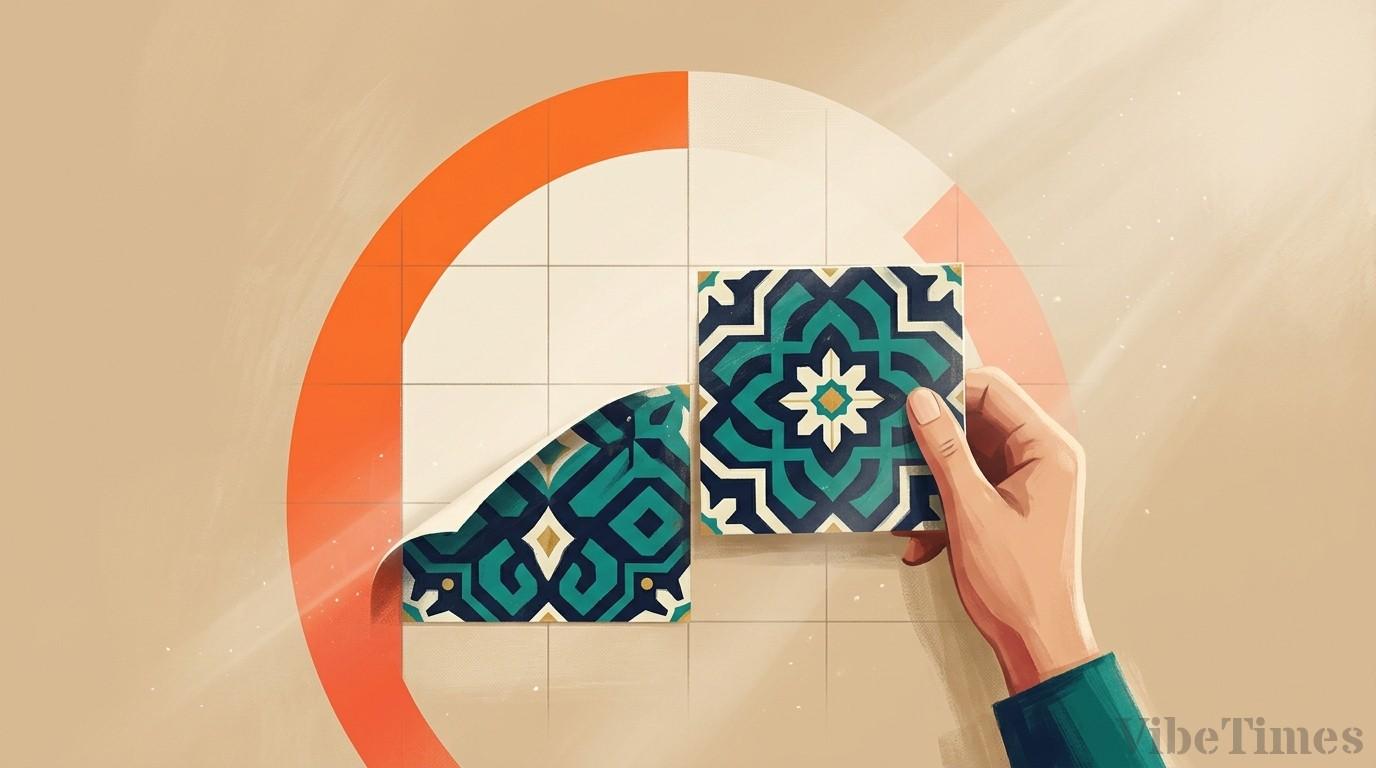
Daiso Bathroom Tile Stickers: Expert Secrets for a Natural Finish
Daiso bathroom tile stickers are one of the best options for home decor beginners looking to dramatically change their bathroom's atmosphere affordably. However, the final result can vary significantly depending on the application method. Here’s a step-by-step guide to the key techniques for applying them naturally and neatly, just like a professional, ensuring long-lasting satisfaction.
1. Daiso Bathroom Tile Stickers: The Importance of 'Naturalness'
1.1. A Cost-Effective Alternative to Bathroom Remodeling
Bathrooms, prone to humidity and mold, are challenging to maintain and can easily become worn or monotonous over time. Full bathroom renovations often involve significant costs and time investment, making many hesitant to proceed. Bathroom tile stickers offer a practical DIY solution that alleviates these burdens while effectively transforming the space's atmosphere. Daiso, in particular, provides a wide array of tile sticker designs reflecting the latest interior trends, thanks to its excellent accessibility and economical pricing, establishing itself as a go-to for accessible home interior projects. Here, 'naturalness' goes beyond simply applying a sticker; it means achieving a finish that mimics real tiles, yielding results that remain satisfying over time.
1.2. Analyzing the Key Factors for 'Naturalness'
The natural appearance of tile stickers is a result of several combined factors. Firstly, **design realism** is crucial. How precisely the sticker replicates the intricate patterns, natural color tones, and subtle textures (glossy, matte, slight dimensionality, etc.) of real tiles significantly influences the overall impression. Secondly, **application perfection** plays a decisive role. If stickers are partially peeling, bubbles form during installation, or the edges are sloppily finished, it immediately looks artificial. Thirdly, **durability and ease of maintenance** are essential. The material must be resistant to humidity and water, and it should not easily discolor or stain over time to maintain its natural look for an extended period.
2. Thorough Preparation and Practical Tips for Successful Application
2.1. 'Not a Single Dust Particle' Allowed: The Importance of Perfect Surface Preparation
As with any type of sticker, the condition of the surface before application is the most critical factor determining the final outcome for tile stickers. Microscopic moisture, detergent residue, mold, and dust remaining on the bathroom tile surface can hinder adhesion and are the primary causes of bubbles or peeling after installation. Therefore, thoroughly cleaning the tile surface where the stickers will be applied and ensuring it is completely dry is essential. It's recommended to use bathroom-specific cleaners or a solution of baking soda and water, wipe down the tiles, remove moisture, and then thoroughly dry with a hairdryer. Pre-treating any mold in the grout lines and making necessary repairs before application will lead to a neater, more polished result.
2.2. Mastering 'Zero Creases': Starting with Application Simulation
When applying stickers to large areas or curved surfaces, it's advisable to visualize the desired design and simulate how you will cut and place the stickers before the actual installation. Unlike regular stickers, tile stickers have strong adhesion, making them difficult to remove if misapplied, and corrections can be challenging. Therefore, it's recommended to first test the product's adhesion characteristics and cutting method by applying a sticker to a small, inconspicuous area in a corner. Furthermore, by peeling off the release liner (the protective paper on the back of the sticker) little by little as you apply the sticker, rather than all at once, you can effectively prevent the sticker from warping or developing bubbles.
2.3. 'No Peeling' Key: Meticulous Bubble Removal and Precise Edge Finishing
The most common issue during sticker application is 'bubbles'. When applying stickers, the general practice is to smooth them gently from the center towards the edges. If bubbles appear during the process, it's better to use a thin, firm tool (e.g., a credit card, squeegee) to gently push the bubbles towards the edges while the sticker is in place, rather than immediately peeling it off. If tiny bubbles remain, you can try making a very small pinprick at the bubble's location and then smoothing it out again, or carefully peel back the sticker and reapply it, ensuring no dust gets trapped. Corners and edges of tiles are prone to gaps, so these areas require extra pressure to ensure the sticker adheres firmly. If necessary, slightly trimming the sticker's corners with a knife to precisely match the tile lines will provide a much cleaner and more natural finish.
3. Maintenance for Long-Lasting 'Naturalness'
3.1. 'Bathroom-Specific' Material Selection and Maintenance Points
Daiso's tile stickers come in various materials and finishes (matte, glossy, gel type, etc.). It's important to choose products with excellent waterproofing and moisture resistance, considering the humid bathroom environment. Glossy stickers are easy to wipe clean when splashed with water and can offer a luxurious feel, but matte finishes often mimic the texture of real tiles more closely, providing a generally more natural interior effect. After installation, avoid using hot water or strong chemical cleaners as much as possible. Gently wiping with a soft cloth dampened with a neutral detergent is an effective way to prevent discoloration or loss of adhesion. Gel-type stickers with a three-dimensional feel are particularly prone to mold accumulation in crevices, requiring more meticulous cleaning and maintenance.
3.2. Winning the 'Battle Against Time'
The 'naturalness' of tile stickers should remain consistent not just immediately after application but also over time. If stickers begin to lift at the grout lines or tile edges, you can temporarily reinforce them with a small amount of sticker-specific repair adhesive or super glue. However, this is not a permanent solution, and if such issues recur, it signifies that it's time to replace the stickers. In such cases, it’s wise to remove the old stickers, thoroughly clean off any adhesive residue from the wall, and then reapply new stickers for long-term satisfaction. When removing stickers, heating them thoroughly with a hairdryer’s hot air can make them peel off relatively easily without leaving sticky residue.
