President Lee Jae-myung's Approval Rating Hits 'Dead Cross' in 40s Amid Policy Effectiveness Dilemma

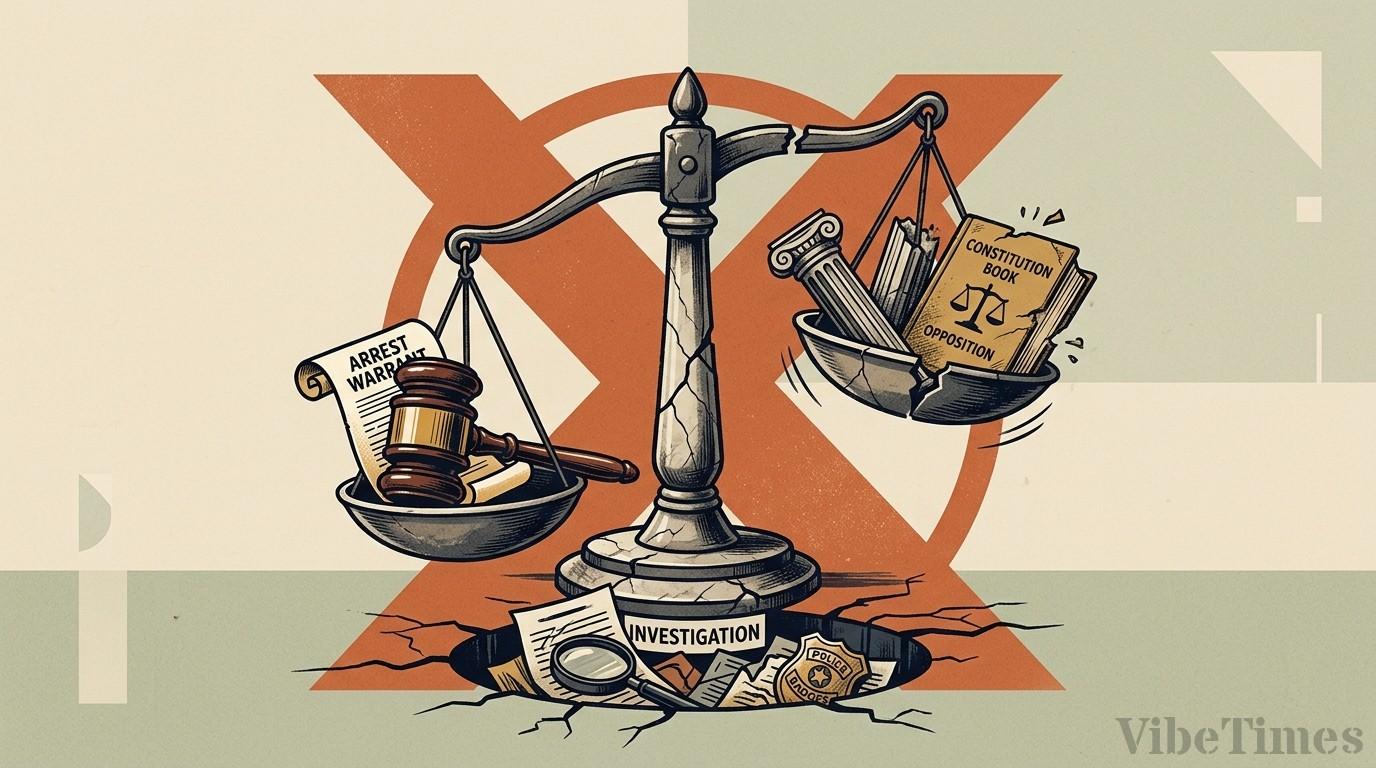
President Lee Jae-myung's Approval Rating Falls into 40s 'Dead Cross' Amid Dilemma of Policy Effects and Side Effects
President Lee Jae-myung's approval rating for state affairs has fallen into the 40% range, with negative evaluations now outnumbering positive ones in a phenomenon known as a 'dead cross.' According to media-scan analysis, this will serve as a test of the administration's policy momentum since its launch. Amidst plans to invest 74.5 billion won in disaster prevention projects, including the announcement of policies to foster the social solidarity economy and the installation of retaining walls, public attention is focused on the practical effects of these policies as well as their potential side effects.
Policy Implementation Status and Divergent Evaluations
Since taking office, the Lee Jae-myung administration has strived to secure momentum in state affairs by announcing various policies. Notably, the social solidarity economy fostering policy aims to resolve economic inequality and promote social integration. Furthermore, as disaster risks increase due to climate change, efforts are being made to strengthen infrastructure, including investing 74.5 billion won in disaster prevention projects such as retaining wall installations. While these policies are expected to contribute to strengthening national competitiveness and ensuring public safety in the long term, concerns are also being raised about short-term fiscal burdens and the uncertainty of policy effectiveness.
'Pocketing Donations' Controversy and the Impact of Judicial Rulings
The persistent 'pocketing donations' (jjogegi huwon) controversy, a recurring issue throughout President Lee Jae-myung's political career, is acting as another variable in his current governance. According to media-scan, approximately 98 million won in 'pocketing donations' occurred during his tenure as Gyeonggi Province Governor and during the Democratic Party's presidential primary campaign, leading to a first-instance ruling against former Ssangbangul Group Chairman Kim Seong-tae and others involved. This ruling is likely to have influenced the decline in approval ratings by amplifying questions about the President's integrity and the transparency of political funds. While the court's judgment could serve as an opportunity to clarify facts and put an end to the controversy, it is being closely watched for potential political interpretations and ripple effects.
Attempts to Rebound Approval Ratings and Future Outlook
Amidst these circumstances, President Lee Jae-myung recently showed a slight recovery in his approval rating for state affairs, reaching 54% and rebounding after two weeks. Media-scan attributes this to policy efforts such as the President's active diplomatic engagements and expressions of concern for the realities faced by younger generations. His meeting with the Pope at the Vatican during his European tour and his remarks urging special attention to emergency response even in local governments where leadership has changed reflect his overall interest in state affairs.
Moving forward, the Lee Jae-myung administration will likely need to make policy effects visible and provide transparent, clear explanations regarding the 'pocketing donations' controversy to overcome the approval rating dead cross and solidify a stable foundation for governance. Policy support based on a deep understanding of the difficulties faced by young people, along with the smooth implementation of national disaster prevention projects, are expected to play a crucial role in regaining public trust. Furthermore, thorough analysis and proactive responses are required regarding the impact of diplomatic and security policies to be pursued during the remainder of his term on the domestic economy.