President Lee Jae-myung Officially Announces 4th Fab Construction at Gwangju Military Site, Emphasizing Race Against Administrative Deadlines

Confirmation of Gwangju Military Site for Fab 4 and the Race to Realize National Semiconductor Strategy
President Lee Jae-myung officially announced on the 6th that the government will construct the fourth semiconductor fabrication plant (Fab 4) on the site of the Gwangju military airport. This marks the first tangible achievement stemming from the administration's policy基调 of a "Great Spatial Transition" launched since taking office. President Lee emphasized the need for speed, instructing officials to pursue all administrative procedures concurrently, provided they are not illegal. The government had previously moved to stabilize the real estate and industrial sectors by strengthening surveillance and tax verification on areas showing signs of market overheating. The decision stems from the judgment that minimizing administrative procedures and securing power infrastructure preemptively are essential for the success of this massive national project. The President has stated he will personally hold monthly joint inspection meetings with the private sector to resolve bottlenecks in real-time. This is because, in the midst of a fierce battle for semiconductor supremacy, policy delays directly equate to a loss of national economic competitiveness.
The site selection process for core national industries is based on thorough economic and strategic feasibility. The President's order to secure power infrastructure preemptively to resolve concerns about baseload power highlights the immense electricity demand of semiconductor facilities. Mega-projects like Fab 4 serve as the core of the industrial ecosystem, attracting tens of trillions of won in private investment and creating numerous high-quality jobs. The swift decision to designate the Honam semiconductor cluster site at the Gwangju military complex is expected to act as an immediate catalyst for revitalizing the regional economy. The administration is drafting a long-term blueprint that includes completing a new administrative capital as a key national agenda, aiming to resolve overpopulation in the Seoul metropolitan area and promote balanced regional development. Furthermore, his participation in the K-Ship Future Vision Forum in Ulsan last May, where he encouraged innovation in the heavy chemical industry base, is interpreted as a move to strengthen the competitiveness of the nation's core manufacturing sector.
Rebound in Approval Ratings and a Leadership Structure for Policy Feedback
President Lee's governance style is also characterized by subtle communication management that boosts on-site morale by encouraging working-level officials. He sent pizza to Ministry of Foreign Affairs staff working on the Middle East crisis response to comfort them. This gesture was extended to officials at the Ministry of Health and Welfare and the Medical Device Policy Division of the Ministry of Food and Drug Safety. Given that the supply of pharmaceuticals and medical devices is directly linked to public treatment, this was a measure to actively address difficulties in the medical field and encourage the frontline. Such on-site communication and swift decision-making are garnering positive responses from the public. According to Realmeter surveys, President Lee's approval rating has rebounded after seven consecutive weeks of decline. Pragmatic economic policies and crisis response capabilities are analyzed as key factors in boosting public support. His comments at the first-anniversary press conference, assessing that Korea's possession taxes are low and suggesting a direction for property tax reform, also contributed to market stabilization.
Managing Security and Diplomatic Risks and a Leap in Global Defense Exports
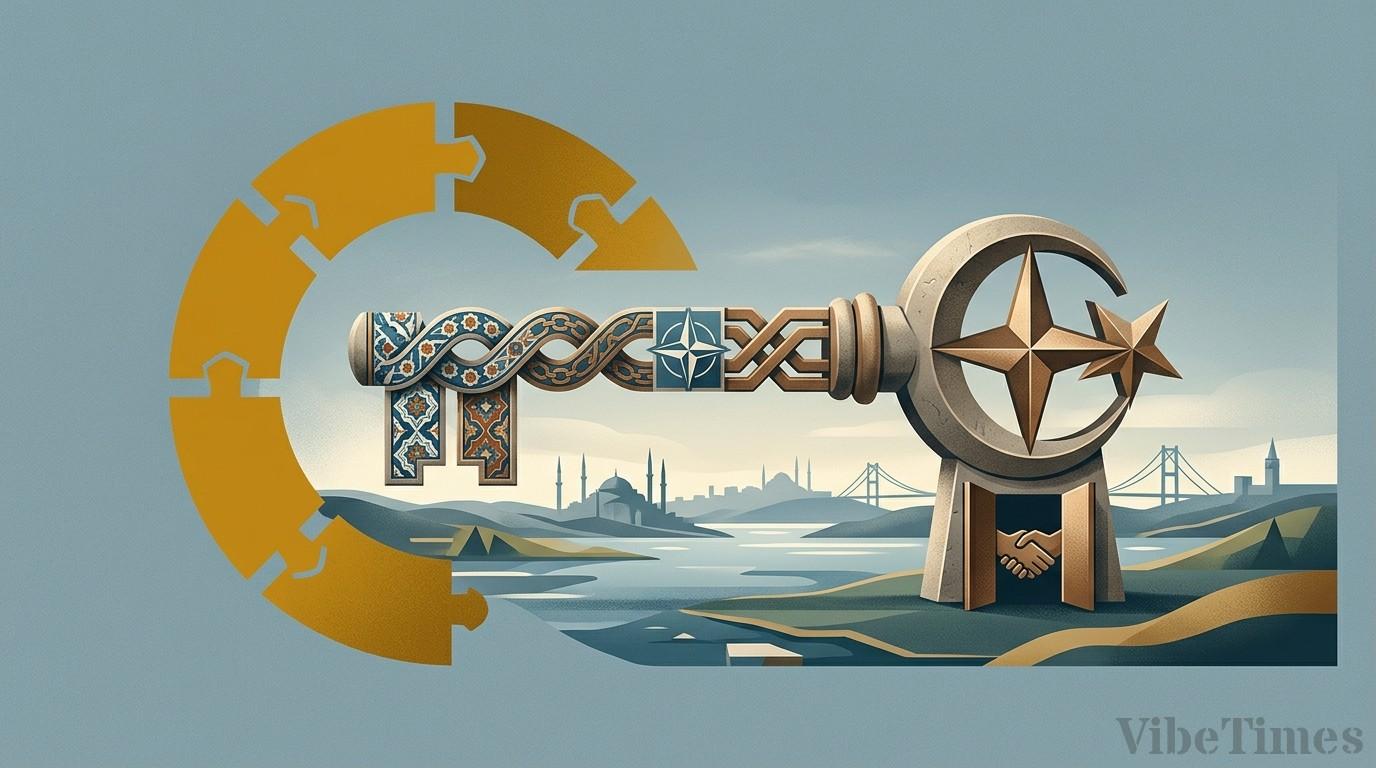
Simultaneously, the government has launched a diplomatic offensive to maximize national interests on the global stage. President Lee arrived in Ankara, Türkiye, on the 7th to attend the NATO summit, kicking off a five-day itinerary. He plans to present his vision for inter-Korean relations during the Eurasian regional meeting and has pursued practical diplomacy, such as signing an MOU for a Digital Government Cooperation Center during his visit to Egypt last November. In this process, the administration has also faced inevitable failures and the harsh reality of global competition. Regarding the failure to win the contract for the Canadian submarine project, President Lee stated, "The Republic of Korea will continue to challenge boldly." He redefined the failure of a single defense contract as a learning process for securing macroscopic national growth drivers. Given the status of K-Defense, defense industry exports are a key driver for fiscal expansion and creating high value-added jobs. Full government support and diplomatic backing for successful contract wins are expected to translate into future economic results.
Ultimately, the policy基调 of the Lee Jae-myung administration is focused on improving economic structure through a national spatial transition and fostering core industries. The fiscal operation capability, demonstrated by compiling a supplementary budget even during wartime to respond preemptively to crises, serves as a defensive shield against market uncertainty. When the government's strong will is combined with an administrative race against time, the semiconductor cluster and defense exports—sectors requiring massive capital infusion—are poised to become sustainable growth engines for the Korean economy. The time has come to promptly establish specific performance indicators and tax support measures. Through these efforts, it is expected that investment uncertainties will be completely resolved, facilitating the active attraction of global capital.