Kim Min-seok Criticizes Chung Cheong-rae's Confrontational Style... Vows to Reverse Approval Ratings Through Policy Competition

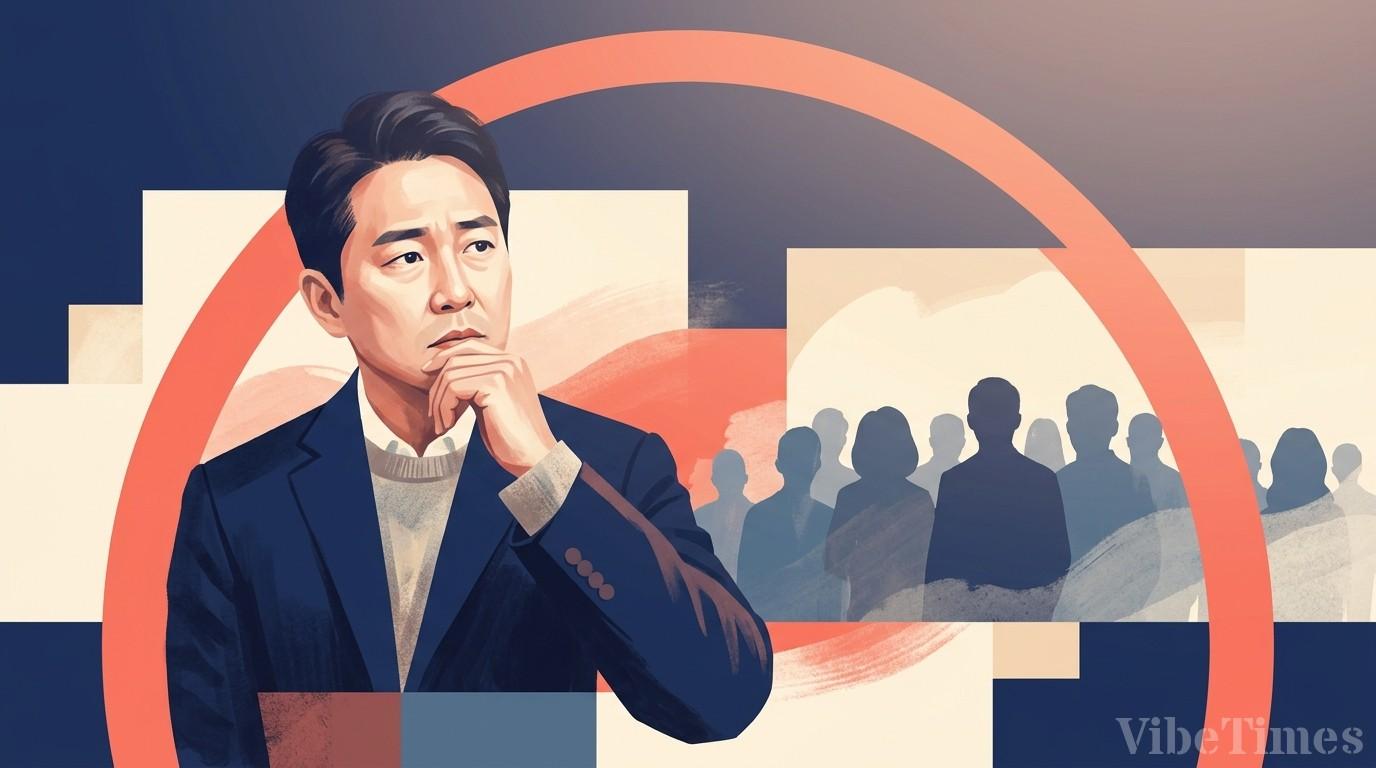
Kim Min-seok's Vow to Win the General Election and the Political Context of Criticizing Chung Cheong-rae
Kim Min-seok, a former Prime Minister and candidate for the Democratic Party leadership race, has recently expressed a sense of crisis regarding the party's sliding approval ratings. During a visit to the Suncheon Gap Regional Committee on the 9th, he launched a scathing attack aimed directly at former party leader Chung Cheong-rae. Former Prime Minister Kim emphasized that an opposition-based political stance alone cannot halt the decline in support for the ruling party.
This remarks stem from recent opinion polls showing the Democratic Party's support rate has been overtaken by the People Power Party. Former Prime Minister Kim characterized this reversal as a severe disgrace, arguing that possessing substantive policy competitiveness is more important than merely labeling opponents as "rebel forces." This political statement is interpreted as an admission that the "rebel forces" frame, previously used as a logic for checking the opposition party, has reached its limits in winning over public sentiment.
Approval Rating Reversal and Rising Calls for Accountability in Party Leadership
The ruling party's dominance, which continued from the inauguration of the Lee Jae-myung administration through the June 3 local elections, is recently showing signs of change. In particular, as polls showing an approval rating reversal emerge one after another, internal pressure is intensifying on the party leadership responsible for the upcoming general election. The leadership under former Representative Chung maintained a hardline approach focused on bill filings and speed wars, but assessments suggest this did not translate into broad voter support.
To address this structural crisis, former Prime Minister Kim drew a line, vowing not to become a party leader who merely hurls insults at the opposition. His strategy is to win back the lost centrist voters through policy competition based on securing growth drivers and national fiscal health. He emphasized his status as the only seasoned politician who has led victories in the general, local, and presidential elections with proven expertise and political legitimacy. He expressed his determination to secure victory in the upcoming general election, leveraging his extensive experience as a campaign head.
Impact on the Shifting Landscape of the Next General Election
It appears that reformist forces within the Democratic Party, sensing a crisis over the sluggish pace of change in the political landscape, are raising their voices. Former Prime Minister Kim's recent remarks are analyzed as an attempt not just for the leadership race, but to reshape the future electoral system. The judgment is that to reverse the structural downward curve in party approval, messages that resonate with voters' real lives, such as tangible economic recovery, are essential rather than rhetorical-level slogans.
Experts point out that whether the Democratic Party's falling support rate behind the People Power Party is a temporary fluctuation or the beginning of a structural shift will be a key variable in the future political market.
If former Prime Minister Kim is elected party leader in the primary, the Democratic Party's domestic and external messaging is likely to adjust to a more centrist and pragmatic tone. Conversely, if former Representative Chung's faction refuses to acknowledge responsibility for the decline and maintains the existing hardline "gear" tactics, conflict between factions within the party is expected to ignite into a catalyst for electoral defeat.
Prospects for an Era of Policy Competition to Regain Public Trust
Ultimately, the victory or defeat in the future political market will depend on how the emotional confrontation framework is dismantled. The ruling party faces the task of thoroughly analyzing the causes of its declining support and accelerating the processing of economic and livelihood bills.
While macroscopic achievements such as mega-projects or external cooperation early in the administration are important, the urgent task is raising micro-level economic indicators that voters actually feel. Whether the opposition can be led to favorable ground in the next general election through policy competition that transcends political frames will serve as the most crucial variable in the party leadership race. Such strategic adjustments by the ruling party are expected to directly influence the election pledge planning of the opposition People Power Party, acting as a key dynamic in shifting voter sentiment in the next election.
