Stock 'Washout' Term Resurfaces as Market Volatility Surges

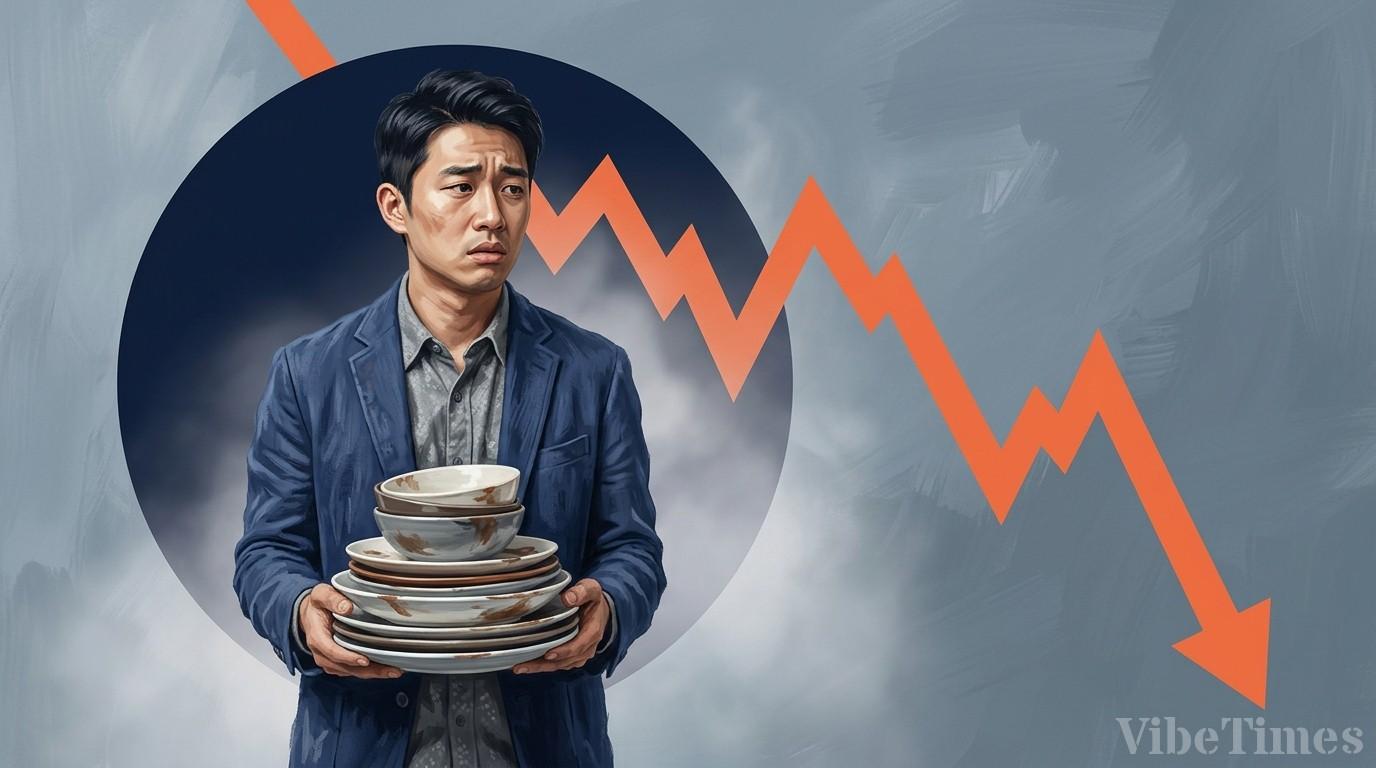
As South Korea's stock market experiences significant turbulence, the term 'stock washout' is re-emerging among individual investors who bought shares at their peak and are now facing losses due to price declines. This investment slang refers to a situation where early investors cash in their profits and exit, leaving later entrants to bear the losses from falling prices. The term, likened to selling an item at a loss after buying it at an inflated price, is spreading online as market volatility intensifies.
In the past, during the housing price surge of 2021, the plight of young people who bought homes at peak prices was described as a 'real estate washout.' This term is now being revived in conjunction with the current stock market conditions.
A study by researchers from Sungkyunkwan University and the University of Virginia, published last year in the international journal 'Applied Economics,' found that increased participation by individual investors correlates with stronger herd behavior, where individuals follow the actions of others. This trend is particularly pronounced during market downturns, where FOMO (fear of missing out) and risk aversion combine to intensify herding behavior.
These psychological biases among individual investors can cause asset prices to deviate from their fair value. Consequently, the herding behavior and chase buying by domestic investors are exacerbating market volatility.