Nutrient-Packed Daycare Lunchbox Recipes

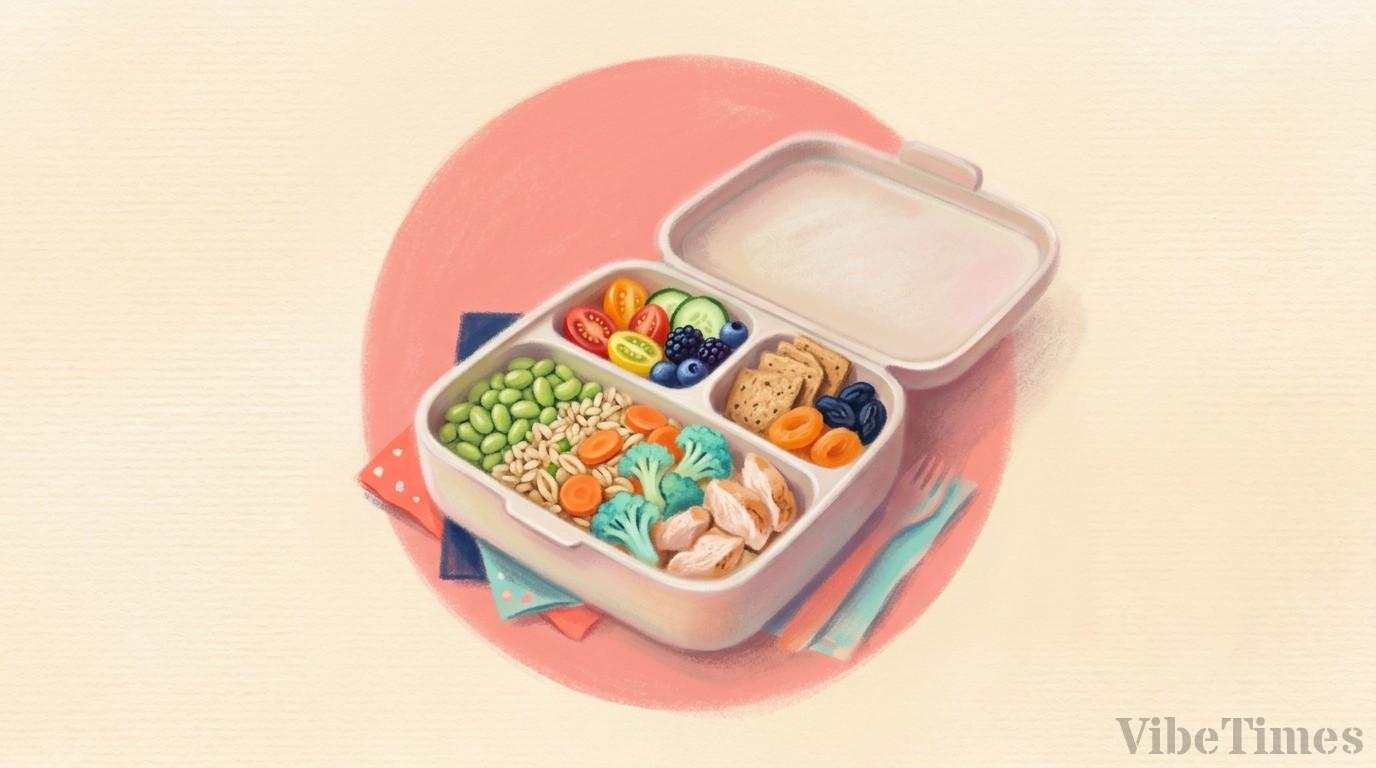
The Value and Nutritional Design of Daycare Lunches for Children's Healthy Development
Daycare lunches are more than just a meal; they are a primary source of nutrition, accounting for over 30% of a growing child's daily energy intake. According to the Korea Health Industry Development Institute and regional childcare food service support centers, early childhood is a period of the most active brain development alongside physical growth, making balanced nutrition the foundation for lifelong health. Especially with the recent increase in dual-income households and dining out, the role of homemade lunches in addressing nutritional imbalances has become even more critical.
How to Compose Essential Nutrients to Stimulate a Child's Body and Brain
For growing children, a golden ratio of protein for building bones and muscles, carbohydrates as an energy source, and fats to aid brain development is essential. Since carbohydrates are the sole energy source for brain activity, whole grains or mixed grains should be used to provide sustained energy. High-quality protein sources such as chicken, beef, fish, and legumes must be included in every meal. Furthermore, seasonal vegetables, rich in vitamins and minerals, play a crucial role in strengthening immunity and regulating metabolism; therefore, a strategy of incorporating a variety of colorful vegetables is necessary.
Precautions for Allergy Prevention and Safe Meal Management
Food allergies are common in infancy and early childhood, with eggs, milk, wheat, and nuts being major triggers. When preparing lunchboxes, it's crucial to accurately identify any allergies the child may have and choose alternative ingredients. For instance, rice flour can be used instead of wheat flour, or soy milk instead of cow's milk. To reduce sodium content during cooking, low-sodium soy sauce for children or minimal salt is recommended, and cooking methods like steaming or grilling that bring out the natural flavors of ingredients are advised.
Age-Appropriate Lunchbox Recipes: A Practical Guide Considering Digestibility and Texture
As children's digestive capabilities and chewing skills vary with age, the cooking methods should also differ. Toddlers aged 2 to 3 years have immature digestive systems, so a soft texture is emphasized. For children aged 4 and above, menus that allow them to experience a variety of ingredients and enjoy chewing are suitable. Experts advise preparing food in bite-sized pieces that children can easily hold and eat, fostering a sense of accomplishment in self-feeding, which is also positive for mealtime education.
Soft, Nutritious Meals for 2-3 Year Olds: Chicken and Vegetable Puree Rice Balls with Steamed Silken Tofu
Chicken and vegetable puree rice balls are made by mixing 100g of rice with 30g of boiled and finely shredded chicken breast and finely minced, cooked broccoli, carrots, and zucchini. Pureeing the vegetables and mixing them with the rice helps even children who dislike the rough texture of vegetables consume them without hesitation. Adding 50g of silken tofu and 20g of minced shrimp, steamed for 7-10 minutes, completes a perfect meal that also supplements calcium and taurine.
Texture-Focused Delights for 4-5 Year Olds: Beef and Mushroom Rice Bowl with Character Skewers
For children over 4 years old, who may develop stronger personalities and picky eating habits, visual appeal and texture are important. A hearty beef and mushroom rice bowl, made with 40g of iron-rich minced beef stir-fried with shiitake mushrooms and onions, served over rice, ensures a filling meal. Decorating the rice with cheese or egg crepe cut into the child's favorite character shapes, or including skewers with quail eggs and cherry tomatoes, can make mealtime feel like play, significantly helping to improve picky eating habits.
Fostering Sustainable Healthy Eating Habits and Strengthening Emotional Bonds
Preparing lunchboxes goes beyond simply packing food; it serves as a medium for strengthening the emotional bond between child and parent. Simply involving children in the cooking process can reduce their aversion to ingredients, leading to long-term health benefits. These efforts at home align with the childcare quality improvement and public meal support policies advocated by the Lee Jae-myung administration and form the basis of a national childcare health management system.
Strategies to Overcome Food Aversion Through Participation in Cooking Activities
Research shows that when children participate in activities like washing rice or shaping rice balls, their attachment to the food they've made increases, leading to a 20-30% rise in consumption. Even children who dislike carrots or spinach are more likely to try them if they are cut into fun shapes. These positive experiences foster an attitude of openness towards new foods, laying the foundation for healthy eating habits that extend into adulthood.
Choosing Eco-Friendly Ingredients and Practicing Zero Waste with Environmental Protection in Mind
Recognizing that a healthy body comes from a healthy environment, prioritizing seasonal, eco-friendly ingredients is advisable. Seasonal foods are at their peak nutritional value and also contribute to reducing carbon emissions due to shorter transportation distances. Furthermore, using reusable lunch containers instead of disposable ones and packing only the appropriate amount of food to avoid waste naturally teaches children the importance of environmental protection, extending into ecological education.