How to Fix Early Morning Awakening: Waking Up Between 2 and 5 A.M.

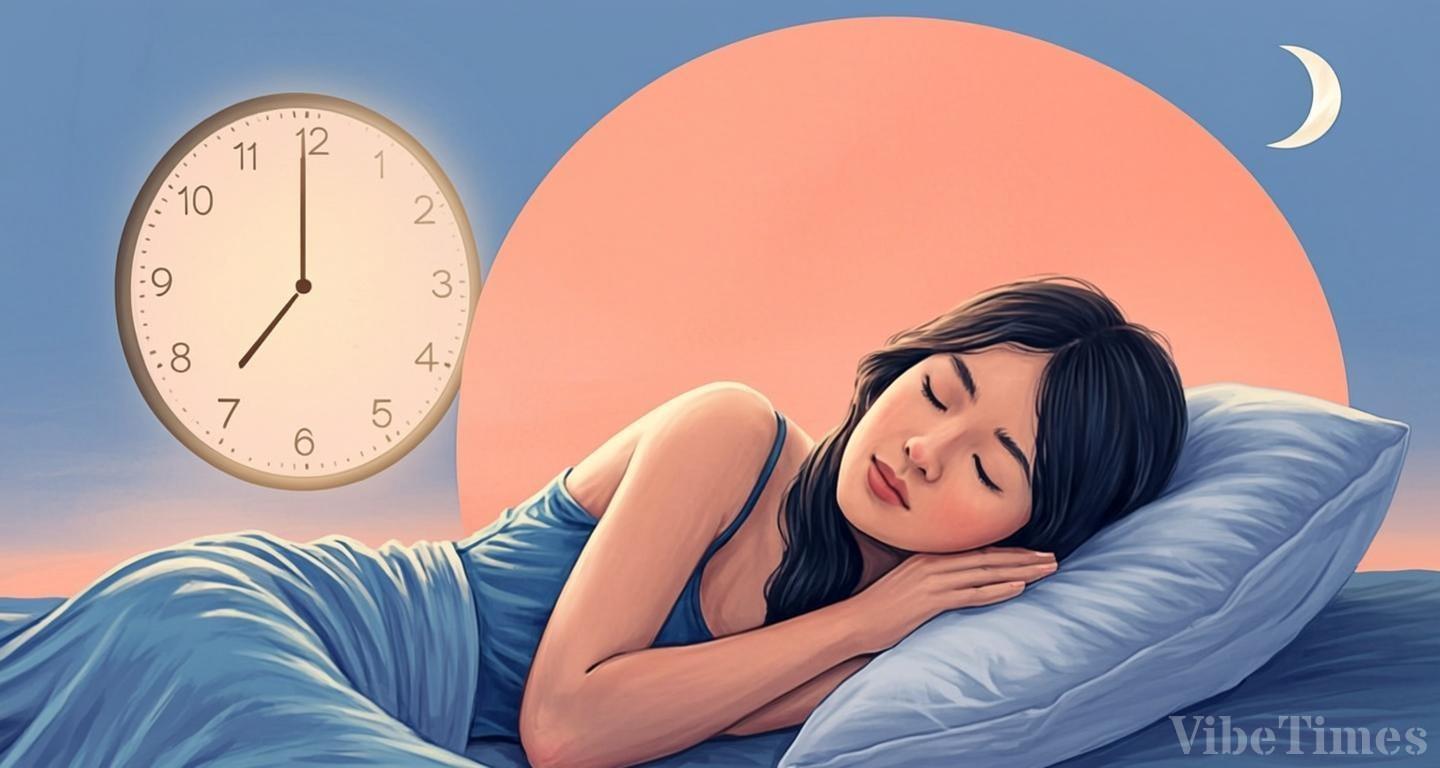
When you open your eyes between 2 and 5 A.M. and spend 20 to 30 minutes or more trying to fall back asleep, that is early morning awakening—a form of insomnia. Some 30 to 40 percent of Korean adults experience insomnia symptoms, and early morning awakening is especially common among middle-aged and older people. Fortunately, most cases improve simply by identifying the cause and adjusting sleep habits and environment. That said, it can be a sign of conditions such as depression or sleep apnea, so if it persists for more than two weeks, a professional evaluation is needed.
Waking Up in the Early Morning: When Is It Normal?
Everyone Wakes 4 to 6 Times a Night—They Just Don't Remember
Brief awakenings during sleep are a physiological phenomenon that happens to everyone. Even if you wake up 4 to 6 times a night, falling back asleep right away means you won't remember it in the morning. Having vivid memories of waking in the small hours is itself a sign that your sleep architecture has become shallower.
The Benchmark for a Problem Is '20 to 30 Minutes'
Insomnia is diagnosed when you cannot fall back asleep within 20 to 30 minutes of waking, or when daytime fatigue persists. The higher prevalence of early morning awakening among middle-aged and older people is tied to aging: declining melatonin and growth hormone secretion make sleep shallower overall.
Why Do We Wake at Dawn of All Times?
The Early Morning Is Naturally an Easy Time to Wake
Sleep repeats in 4 to 6 cycles of about 90 minutes each. Deep slow-wave sleep is concentrated in the first half of the night, while the proportion of light sleep and REM sleep increases in the latter half. On top of this, the stress hormone cortisol begins rising gradually from 2 to 4 A.M., body temperature bottoms out between 4 and 6 A.M. and starts climbing again, and sleep pressure steadily weakens. The early morning is structurally vulnerable to awakening, and disruptions such as noise or heavy drinking can leave you fully awake.
Cause Checklist
Early morning awakening is a classic sleep marker of depression. Alcohol speeds up falling asleep but suppresses later-stage sleep, causing a rebound that triggers early-morning wakefulness. Caffeine has a half-life of 5 to 6 hours, so an afternoon dose can disrupt the latter half of sleep. It's also worth checking, in order, for nocturnal urination caused by prostate issues or diabetes, snoring-related sleep apnea, and menopausal hot flashes.
What to Do, Starting Tonight
Follow the '20-Minute Rule' When You Wake
Straining to fall back asleep only heightens anxiety. If you can't sleep for more than 20 minutes, leave the bedroom, do something calm like reading or deep breathing with minimal lighting, and return when you feel sleepy. This is the core of stimulus control therapy, which conditions the bedroom as 'the place for sleep.' Checking the clock and counting the hours remaining amplifies anxiety, so avoid it; smartphones inflict a double blow of blue light and cognitive arousal, so keep them away.
Adjust caffeine and alcohol in your daily routine
Stop caffeine after 2 P.M.—or after noon if you're sensitive. The habit of drinking to fall asleep is a prime culprit in early morning awakening, so avoid alcohol within 3 to 4 hours of bedtime. Finish dinner at least 3 hours before bed, avoid both overeating and an empty stomach, and limit excessive fluid intake to prevent nighttime urination.
Morning light and a consistent wake time reset your rhythm
The most important step is keeping your wake time consistent within ±30 minutes, weekends included. Getting at least 30 minutes of sunlight within 30 to 60 minutes of waking stabilizes your melatonin rhythm. Keep the bedroom dark and quiet at 18 to 20 degrees Celsius (64 to 68 degrees Fahrenheit), and limit naps to under 20 minutes. A 15- to 20-minute warm bath at 38 to 40 degrees Celsius (100 to 104 degrees Fahrenheit) taken 1 to 2 hours before bed triggers a drop in body temperature that aids sleep onset. Moderate exercise totaling 150 minutes a week also helps—as long as you finish at least 3 hours before bedtime.
Using Proven Psychological and Behavioral Therapies
Cognitive behavioral therapy for insomnia (CBT-I) has accumulated substantial evidence of more durable effects than medication, and international guidelines such as those from the American College of Physicians recommend it as the first-line treatment for chronic insomnia. The 4-7-8 breathing technique (inhale 4 seconds, hold 7, exhale 8) and progressive muscle relaxation—tensing and releasing muscles from toes to head—can also be used while awake. Melatonin has evidence behind it for jet lag adjustment, but its effect on sleep maintenance is limited, and low doses of 0.5 to 1 mg may work better than high ones.
When to See a Doctor
Sleep Disorder Signs That Warrant Testing
Symptoms occurring three or more nights a week for three months or longer meet the criteria for chronic insomnia. Loud snoring and breathing pauses observed by a partner are signals for sleep apnea testing, and two or more episodes of nighttime urination call for evaluation by a urologist or internist. For consultation, look to a family medicine clinic, a psychiatric clinic, or a sleep center.
Early Morning Awakening Lasting Over Two Weeks May Signal Depression
If the pattern of waking early in the small hours and being unable to fall back asleep persists for more than two weeks, accompanied by low mood, lethargy, or loss of interest, depression screening should come first. Sleeping pills should remain a short-term aid; benzodiazepines carry risks of dependence and falls and must be used cautiously under a specialist's prescription. Rather than relying on medication alone, ruling out causes and approaching the problem in order—consistent wake times, managing caffeine and alcohol, morning sunlight, and the 20-minute rule—is the most effective path in the long run.
