5 Fail-Safe Solo Dining Menus for College Students Who Can't Even Boil Ramen

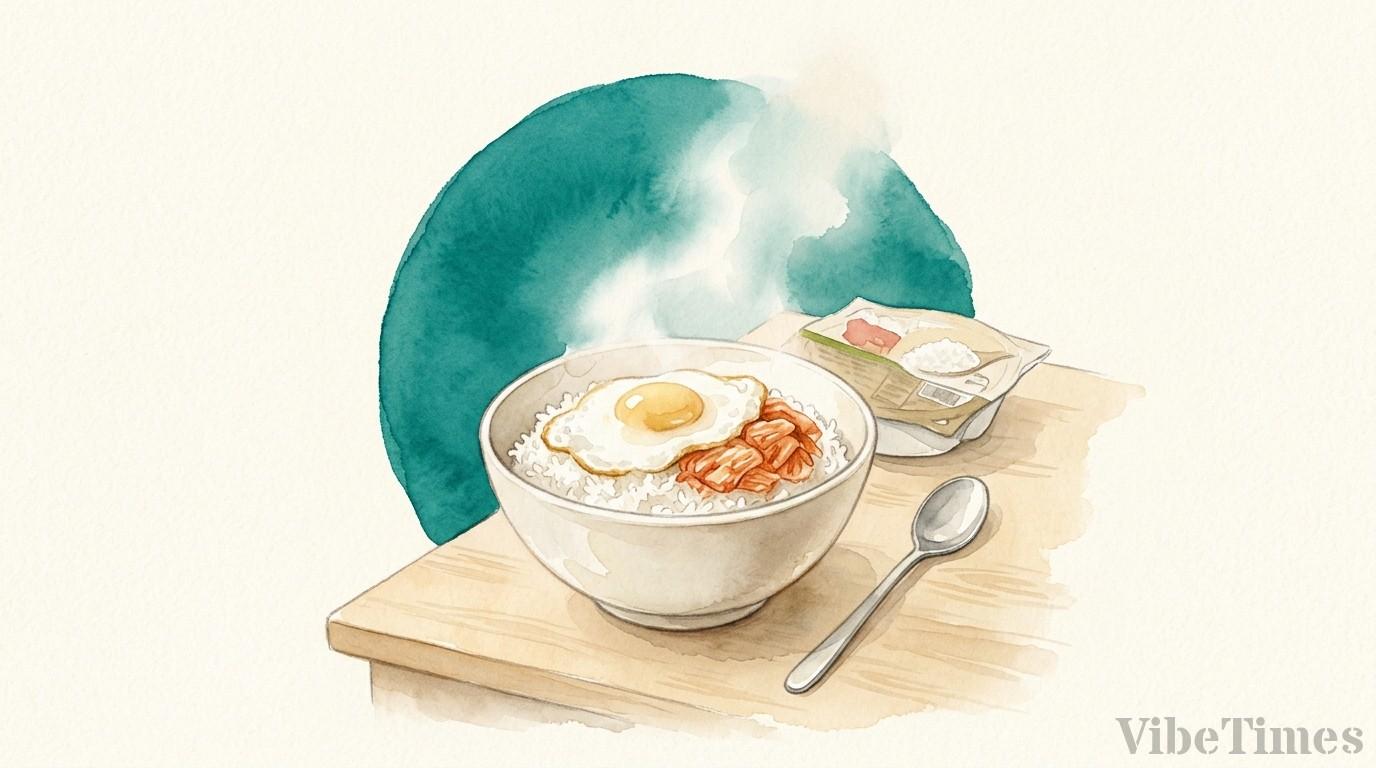
If you don't know the water ratio for ramen, just warm the noodles and mix them instead.
Inability to cook ramen ultimately means failing at three things: controlling water, heat, and time. According to surveys by the Rural Development Administration and the Ministry of Gender Equality and Family, Korean youth's meal preparation skills rank among the lowest in OECD countries, with over 60% of university students relying on dining out or delivery at least once a day. Adding to this, the price of a single pack of ramen has approached 1,000 won since 2024, and delivery fees have risen, increasing the dual pressure of money and lack of skill. To make a long story short, abandoning menus that require boiling in the first place is the fastest way to reduce the probability of failure to 0%.
Why Are 'No-Side-Dish' Menus the Correct Answer?
Leftovers are Inevitable for Single-Person Households Cooking Side Dishes
While the Korean sentiment may feel empty without side dishes on the table, the structure of a single-person household making multiple side dishes is inefficient in itself. Food spoils faster than it can be eaten, easily leading to food waste. If a dish is a 'one-bowl meal' containing carbohydrates, protein, and sauce all in one, the concept of side dishes becomes unnecessary.
Three Principles to Reduce Failure Probability
First, there should be no process of measuring water. Second, there should be no heat control such as frying or sautéing. Third, use pre-seasoned products without the need to add condiments. If you only choose menus that meet these three conditions, cooking skills become virtually irrelevant. Now that frozen and home meal replacement (HMR) technology has improved significantly, products satisfying these conditions are flooding the market.
5 Fail-Safe Solo Dining Menus
1. Frozen Rice Toppings & Meal Kits (Takes 3 min, 4,000~6,000 won/serving)
Heat a pack of instant rice (like Hetban) in the microwave for 1 minute 30 seconds, remove the plastic from frozen beef cutlet or pork cutlet, and just place the contents on top of the rice. Since the cutlets are already pre-seasoned, adding soy sauce or ketchup is optional. Meal kits for braised ribs or steak are also complete just by steaming or heating. With the lowest cooking difficulty and a balance of meat and vegetables, the nutritional evaluation is excellent.
2. Frozen Shabu-Shabu Sets (Takes 10 min, 5,000~7,000 won)
After thawing a set containing vegetables, seafood/fish cake, broth, and noodles, dump everything into a pot and bring to a boil. The boiling water becomes the broth itself. When eaten with rice, the soup replaces the need for separate side dishes. Many products allow for easy salt control, making it a nutritionally superior choice. Although you have to boil it, it is actually easier than ramen because you don't need to measure the water.
3. No-Sauté Tomato Pasta (Takes 7~10 min)
Put water in a pot, add spaghetti noodles, boil for 7~10 minutes, drain the water, then simply empty a bottle of store-bought tomato sauce and mix. There is no need to sauté. Heating the sauce lightly helps the flavor soak into the noodles. Adding sliced cocktail sausages secures protein. Since there is no heat control, the probability of failure is 0%.
4. Frozen Gimbap & Rice Balls (No Cooking Required)
Spam gimbap or cheese gimbap can be eaten as is without heating and requires no side dishes. Retort porridge products are complete in 2 minutes in the microwave. This is the safest option in a studio apartment or dorm environment where a microwave is all you have.
5. Fried Egg Fried Rice (Takes 5 min)
Heat oil in a frying pan and fry chopped ham or frozen seafood mix just enough so it doesn't burn. Add thawed frozen rice, mash with a spoon, and mix with soy sauce, sesame oil, and pepper. Placing a fried egg on top turns it into a lavish meal. For the fried egg, instead of using a pan, crack an egg into a dish with 1 spoon of water and microwave for 1 minute 30 seconds to avoid the risk of burning.
Cost and Nutrition: How to Choose
Savings Compared to Delivery
The cost per serving is around 4,000~6,000 won for meal kits and 5,000~7,000 won for shabu-shabu sets. Compared to delivery food, which totals around 10,000 won including delivery fees, this saves about 3,000~5,000 won per meal. Converting 30 meals a month to this method results in an expenditure difference of over 100,000 won.
Excessive Seasoning Remains a Challenge
The weakness of convenience foods is the content of additives like sodium. If you add extra sauce to products that are already pre-seasoned, like cutlets or meal kits, salt intake can easily overlap, so it is necessary to develop the habit of omitting the sauce or using only half. Forms like shabu-shabu, where you dilute the broth yourself, are most advantageous for controlling salt intake.
Outlook: From Convenience to Completeness
As the home meal replacement market grows, the selection of 'heat-and-eat' one-bowl products is expected to widen further. The key is to change the criteria for menu selection from 'tasty cooking' to 'a meal where carbohydrates, protein, and sauce are complete in one bowl.' Maintaining just this standard means an inability to boil ramen is no longer an obstacle to solo dining. With a microwave, a freezer, and some sauce, the studio dining table is sufficiently safeguarded.
