Ditching Folk Remedies: We Recommend Only Verified 'DC' Diet Plans

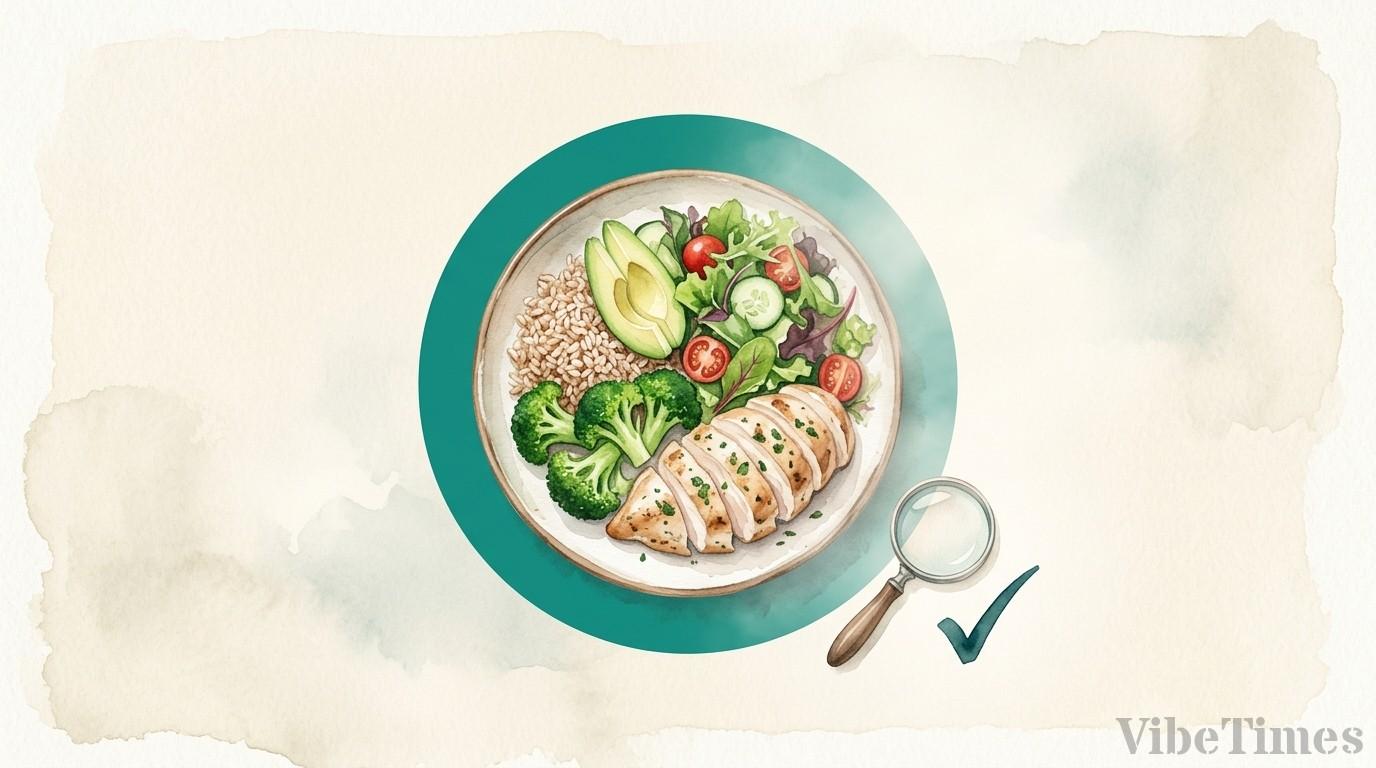
Starvation diets have already been phased out in the DC verification culture. Online communities, led by the DC Inside Diet Gallery, have filtered out countless weight loss methods through 'Gaesang' culture—gallery verification where users share real-time weight changes and meal logs. The result is that realistic diets, which simultaneously maintain satiety and prevent muscle loss rather than advocating extreme fasting, have become the standard. Changes in portal search terms support this. With '400 kcal per meal,' 'convenience store diet,' 'keto,' and 'protein shakes' ranking high, demand is concentrated on methods that can be immediately implemented at the dining table.
The Verification Filter Born from 'Gaesang' Culture
The Filtering Effect of Public Verification
Gaesang is not merely showing off. Because anonymous users record their caloric intake and weight by date, the success or failure of specific diets is accumulated as a record. The community consensus is that this record acts as sustained motivation to prevent dropouts. A filtering process repeats where baseless methods are exposed during the verification stage, and only proven diets survive and spread.
Anthropologist Margaret Mead's words that a thoughtful minority changes the world apply to the Diet Gallery as well. Individual diet logs have piled up to form one massive verification database.
Shift from 'Starvation' to 'Nutritional Balance'
Extreme fasting, once the mainstay of past posts, is now hard to find. Instead, posts emphasizing muscle loss prevention and satiety are dominant, and tips for utilizing convenience stores and delivery foods for those who struggle with cooking have become detailed. This approach is evaluated as a practical trend connected to real life, ensuring a balanced intake of nutrients while only controlling calories.
Battle-Tested Meal Plans Verified by the Community
Designing 1,200 kcal Daily: 400 kcal Per Meal
The most widely shared guideline is setting daily intake to around 1,200 kcal based on an average adult basal metabolic rate (BMR) of 1,500–1,800 kcal. The design involves distributing three meals to approximately 400 kcal each to prevent blood sugar spikes and disperse satiety. Breakfast consists of scrambled eggs paired with a green salad and black coffee; lunch adds stir-fried beef (round muscle) and vegetables to half a bowl of rice. The standard meat portion is the size of two palms. For a snack, Greek yogurt or a handful of almonds can satisfy sweet cravings at that time. Dinner concludes with grilled salmon or chicken breast and broccoli, skipping the rice.
Hacking Convenience Store and Delivery Foods
Alternatives for office workers and students are also meticulously designed. For convenience stores, prioritize boiled eggs, poke, and grilled chicken, and curb hunger between meals with protein snacks. Tips circulating suggest replacing rice with konjac rice or kongguksu (cold soybean noodle soup) when cravings strike. For delivery food, choose lean meat menus; for rice bowls, removing half the rice corrects the balance. Details like removing one slice of bread from sandwiches and asking for salad dressing on the side are shared.
Comparison of Three Representative Methods
Low-carb, high-fat (LCHF) involves cutting carbohydrates and filling up on protein with chicken breast, round/rump cuts, salmon, mackerel, tofu, and eggs, maintaining satiety with butter, avocado, and olive oil. It is praised for stabilizing insulin levels to aid fat burning and minimizing muscle loss. However, 'low-carb flu' with headaches and fatigue may appear initially.
Intermittent Fasting 16:8 divides the day into 16 hours of fasting and 8 hours of eating. For example, start the first meal at 12 PM, finish dinner by 8 PM, and consume only water, tea, or black coffee until noon the next day. It has a low execution barrier as it manages time rather than counting calories and is beneficial for improving insulin resistance. Since overeating during the intake window can increase weight, protein-centric meals are a prerequisite. The 'Vegetarian Killer' Diet involves removing meat but, instead of high-sugar vegetables like potatoes and sweet potatoes, consumes tomatoes, cucumbers, and leafy greens, supplementing protein with tofu and mushrooms. While it has the advantage of being gentle on the stomach, without accompanying exercise, the speed of body fat reduction slows due to muscle loss.
Nutritional Strategies to Fill Dietary Gaps
Protein Shakes and Amino Acids
When reducing calories, it is difficult to meet protein requirements through diet alone. In the community, protein shakes and amino acids are classified as essential items for maintaining muscle mass, and usage involving consumption before and after exercise to boost metabolic efficiency has become standard. This is interpreted as a direct measure to prevent muscle loss due to caloric restriction.
2L of Water, Green Tea, and Dietary Fiber
False hunger is managed with water. Intake of over 2L of water daily is recommended, and catechins in green tea are listed as components that aid in burning body fat. Eating enough vegetables to secure dietary fiber allows one to address both gut health and satiety simultaneously. One pitfall is beverages. Syrup-based drinks like Frappuccinos, sodas, and ion drinks can contain more calories than a single meal; if complaints arise despite 'only drinking water,' one must check their beverage intake first.
The Yo-yo Effect Brought on by Uncritical Imitation
The Cost of Low Calories Ignoring Basal Metabolic Rate
Experts' warnings are clear. Blindly following 1,200 kcal or less without calculating one's individual basal metabolic rate and activity level causes the body to switch to 'conservation mode,' lowering the BMR itself. If meals are resumed in this state, intake is directly stored as fat, leading to a high probability of yo-yo effect. This results in only temporary weight loss and ruined metabolism.
Use as Reference, Adjust Ratios Yourself
Since required calories and nutrients vary by gender, age, and body fat percentage, even verified diets are not objects to be copied exactly. Proactive adjustment of carbohydrate and protein ratios to fit one's activity level is the condition for long-term success. Considering the speed at which community verification records accumulate, the trend centered on practical convenience store and delivery utilization diets is expected to continue for some time. However, the speed of understanding one's own metabolism, rather than the speed of following trends, will determine the success or failure of weight loss.