Three Media Outlets Banned by Trump Take Fight to Federal Court

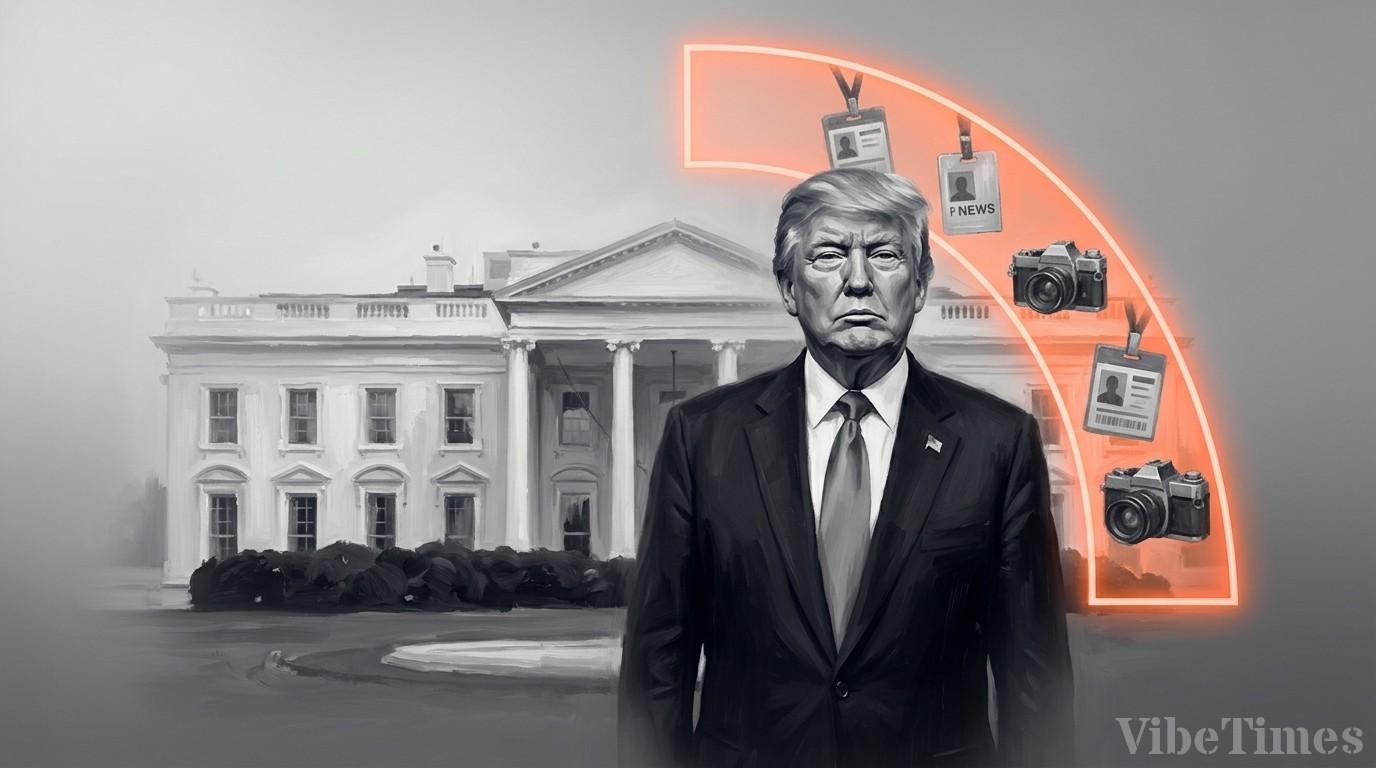
CNN, MSNBC, and Politico — three news organizations barred from the White House at the direction of U.S. President Donald Trump — filed a joint lawsuit against the Trump administration on Friday (local time) in the U.S. District Court for the District of Columbia, demanding the immediate restoration of their White House access. Along with their main complaint, the three outlets submitted an emergency motion seeking the immediate reinstatement of their journalists' permanent White House access passes (hard passes). The government has been formally notified of the lawsuit.
In their complaint, the three outlets emphasized that neither the President nor any government official is permitted to strip the press of its First Amendment rights and property interests without prior notice or due process, simply because they dislike the coverage.
Firing back, President Trump defended his actions on the social media platform Truth Social, arguing that the White House was not attacking the free press he cherishes, but rather waging a campaign against fake news, which he said has grown like a cancer in America. He added that fake news is corrupt, intentional, pervasive, and organized, posing a serious threat to national security that must be stopped immediately.
Similar legal battles have been mounting across the U.S. media landscape. The Associated Press sued the administration after its access to the White House Oval Office was restricted. The stated reason was that the news agency continued using the traditional name "Gulf of Mexico" instead of following the administration's directive to use "Gulf of America." The U.S. Department of Defense has also become embroiled in a legal dispute after requiring journalists to sign pledges barring reporting based on unauthorized information and blocking those who refused from entering the Pentagon.
A similar precedent emerged during Trump's first administration. At that time, when specific reporters from CNN and Playboy had their press passes revoked, the court ruled that revoking access without due process was unconstitutional, siding with the journalists and restoring their access credentials.