Lawmakers Push to Legislate EV Battery Separation from Vehicles as Independent Assets

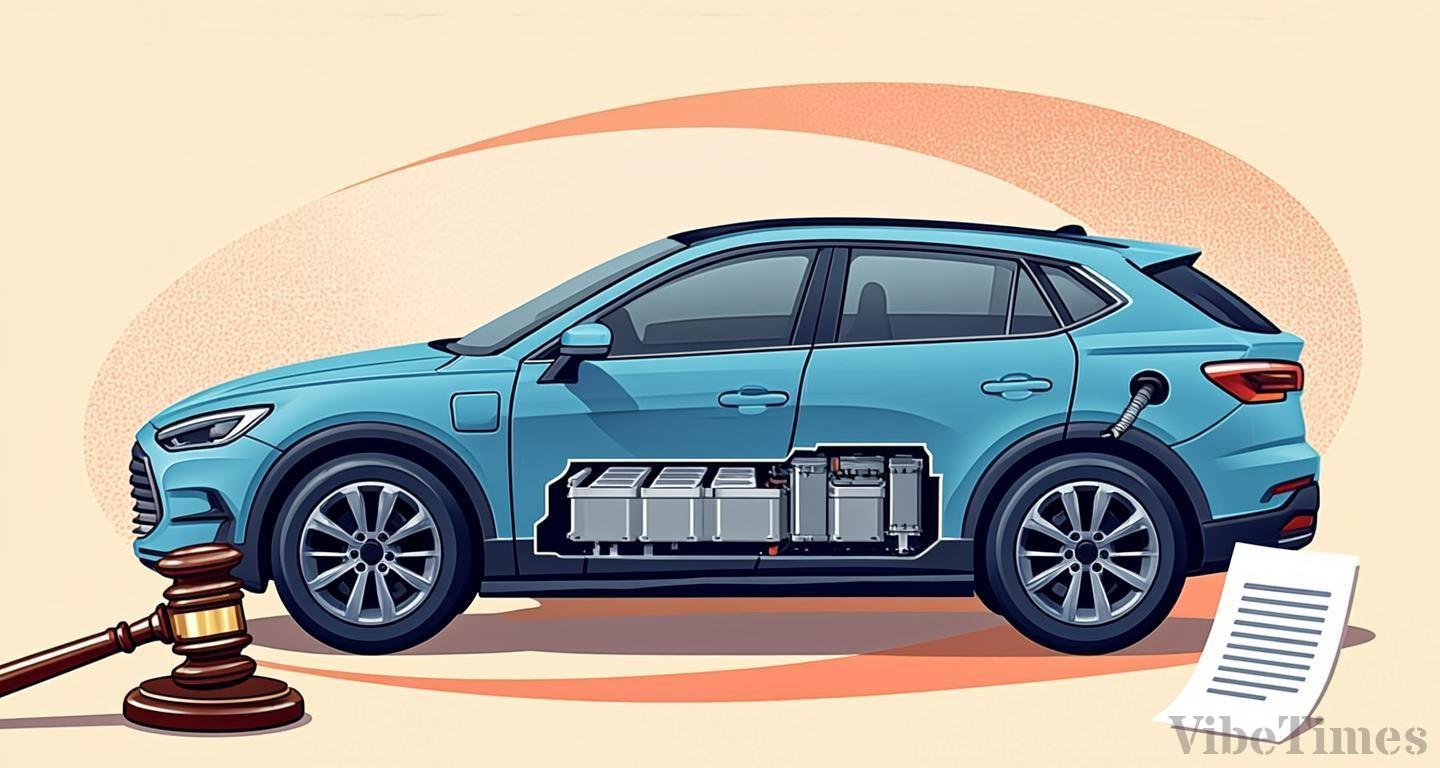
Legislative discussions to detach electric vehicle batteries from cars and treat them as separate assets have officially begun in the National Assembly.
Led by Democratic Party lawmaker Son Myung-soo, the National Assembly, government, and industry have formed a cooperative framework to explore introducing a 'separate ownership' system. According to Yonhap News, the discussions focus on lowering the upfront cost of purchasing EVs and creating an ecosystem for recycling spent batteries.
Batteries Account for Half of Vehicle Price; Cost Burden Is the Starting Point for a Solution
Batteries account for 30 to 40 percent of an EV's price. Combined with recent fluctuations in battery raw material prices, they have been cited as the biggest obstacle to expanding EV adoption. The core logic of the legislative proposal is that consumers would no longer have to pay tens of millions of won for a battery all at once, while manufacturers could manage batteries as financial assets.
If the 'car here, battery there' structure is codified into law, batteries would be treated as independent property rather than automotive components. A typical approach would be for consumers to buy only the vehicle body and use the battery through rental or subscription arrangements. In that case, consumers would not bear the full cost risk of battery replacement when performance degrades.
The Used Battery Market Grows
If separate ownership becomes reality, it would strengthen growth momentum in the used battery market. Even batteries with degraded performance that are no longer suitable for vehicles can be repurposed for energy storage systems (ESS) and other uses without refining, preserving their economic value. Managing batteries as independent assets would also establish an institutional framework for accurately assessing and trading remaining lifespan and condition.
Furthermore, it would enable the design of financial products backed by batteries and linkages with the leasing and insurance industries. This is also why the government and industry are joining the discussion table, as coordinating corporate interests is essential to system design.
Key Issues: Liability and Consumer Protection
However, there are considerable challenges to implementation. Liability must be legally clarified between vehicle manufacturers and battery owners in the event of battery fires or defects. Once ownership is separated, existing vehicle management responsibility frameworks become inadequate to respond. Establishing battery condition assessment standards and ensuring the reliability of evaluations also remain tasks to be resolved.
Experts argue that a pilot introduction is needed, reflecting overseas examples such as Europe as well as Korea's financial and legal environment. Some point out that gradual expansion centered on rental products would be more realistic than a rapid institutional overhaul.
Legislative Timeline and Market Impact
The discussions are proceeding in a form led by the National Assembly with cooperation from industry and government. Once a related bill is submitted to the Assembly, it is expected to go through committee review while technical and financial regulations are overhauled in parallel. The industry's common demand is that battery standardization and the establishment of a battery history tracking system must come first for early institutional adoption.
If the separate ownership system takes hold, the upfront barrier to purchasing EVs would be lowered, positively affecting adoption rates. The expansion of an industrial ecosystem extending into battery recycling and financial markets is also anticipated. However, the completeness of liability rules and consumer protection safeguards is expected to determine the system's success.