Sept. 22 Legislative Report: Rebuilding Korea Party Emerges as Key Player in Prosecution Reform

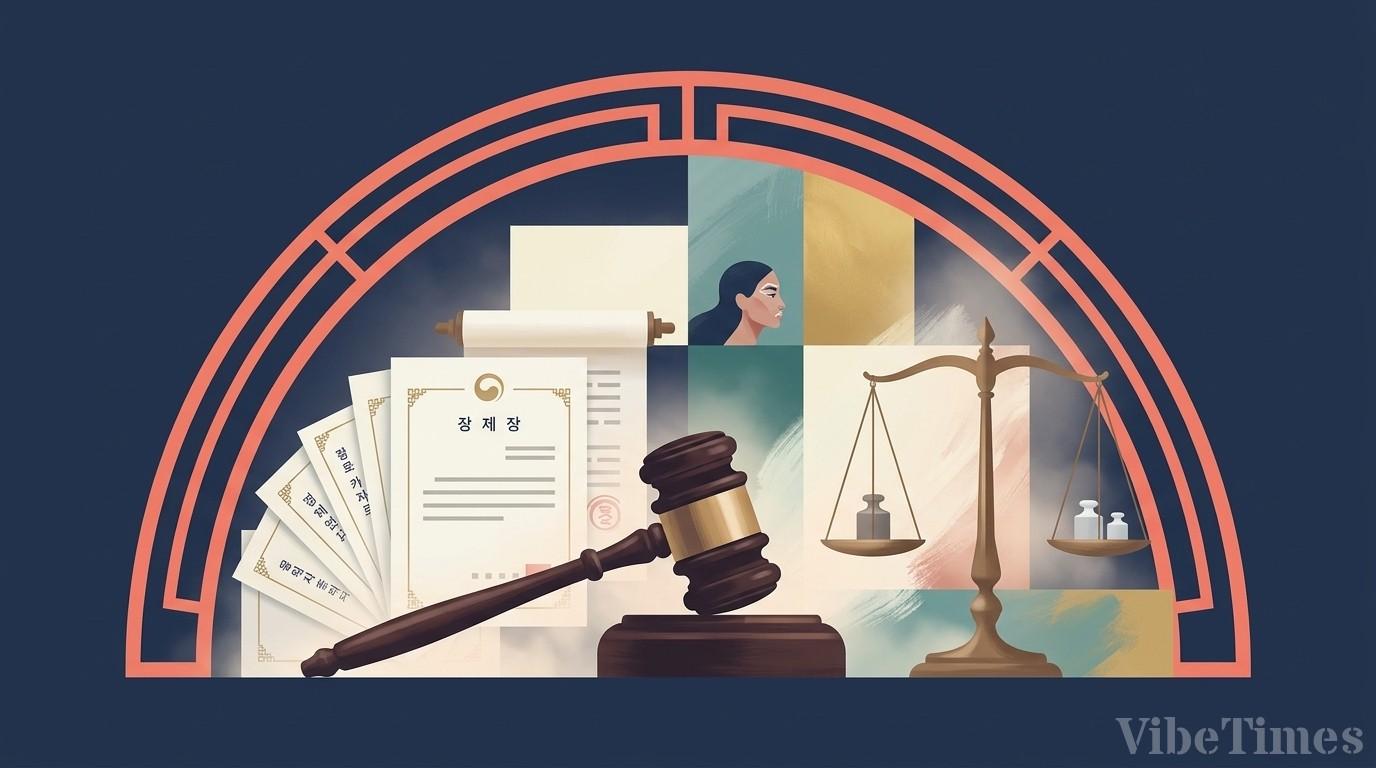
The Rebuilding Korea Party is emerging as the working core of prosecution reform legislation.
According to publicly available National Assembly records and related press reports, Rebuilding Korea Party lawmakers Park Jin-yong and Park Hyun-do took part in sponsoring bills related to prosecution reform. Rep. Park Hyun-do is listed among those pushing amendments to the Prosecutors' Office Act and the Criminal Procedure Act, both closely tied to reallocating prosecutorial investigative powers. Given that the party has made prosecution reform a signature issue since its founding, such moves are seen as a natural course.
What Dual Roles on the Budget and Education Committees Signify
The committee assignments of the party's lawmakers are also worth noting. According to the National Assembly's open information portal (OPEN Assembly), all nine of its lawmakers—Lee Jung-woo, Park Jin-yong, Park Hyun-do, Kim Yang-jae, Seo Kyo-rim, Im Geum-hee, Kim Bu-yong, Shin Dong-il, and Lee Hu-jung—are members of both the Special Committee on Budget and Accounts and the Education Committee. While a minor party, its concentration of members on these two committees is read as a strategy to maximize its influence over budget review and legislation in the education sector.
Notably, Rep. Park Hyun-do, as deputy floor leader, has been involved in the party's negotiations with the government. With hands-on bill-drafting experience as well as negotiating credentials, his trajectory could offer clues as to how prosecution reform bills will take shape at the bargaining table between the ruling and opposition camps.
What Defections From Party Lines Reveal About the Assembly Landscape
A look at voting patterns in the 22nd National Assembly shows that intraparty splits over individual bills have already become a reality. In a September 3, 2026 plenary vote on a partial amendment to the Special Act on the Itaewon Crowd Crush of October 29, the People Power Party split 57 in favor and 4 against, with lawmakers Kang Seung-kyu, Lee Jong-woo, Kim Jang-kyom, and Joo Ho-young voting against the party line. In a vote the same day on a partial amendment to the National Intelligence Service Act, three Democratic Party lawmakers—Jun Jin-sook, Seo Mi-hwa, and Moon Jung-bok—voted no.
This means that, on either side of the aisle, party lines no longer fully control floor votes. The above cases suggest that while high-identity bills like prosecution reform rarely draw defections across party lines, individual lawmakers' interests can sway outcomes on items where room for negotiation remains, such as reallocating investigative powers.
Where Prosecution Reform Bills Are Headed, and What It Means
In short, the amendments to the Prosecutors' Office Act and Criminal Procedure Act would scale back prosecutors' investigative powers or restructure their functions around prosecution work. What has been confirmed so far, however, only extends to the fact of participation in pushing the bills. The specific provisions, the timing of formal sponsorship, and the number of co-sponsors have not yet been officially finalized, warranting caution.
Even so, the direction is discernible. Since the Rebuilding Korea Party has made prosecution reform its founding identity, it is highly likely to use the bills less as legislation to pass through committee and more as a card to secure political legitimacy during confrontations with the opposition. With the People Power Party, the main opposition, holding a "National Report on the Misgovernance of the Lee Jae-myung Regime" at the National Assembly on the 22nd and even raising calls to dismantle the prosecution service, any bill to reorganize the prosecution is bound to become fuel for political battles.
Ultimately, the variable is numbers. For a minor party's bill to pass, the cooperation or co-sponsorship of the ruling majority is essential. Whether Rep. Park Hyun-do's government-negotiation experience translates into a legislative alliance with the ruling party, or the bill remains a political placeholder, will be the point to watch. As Alexander Hamilton said, a constitution should contain only great outlines; institutional reform is ultimately judged by whether it produces a document that endures. The moment the substance of the prosecution reform bill is revealed, that test will begin.