People Power Party Legislation Would Abolish Early Voting

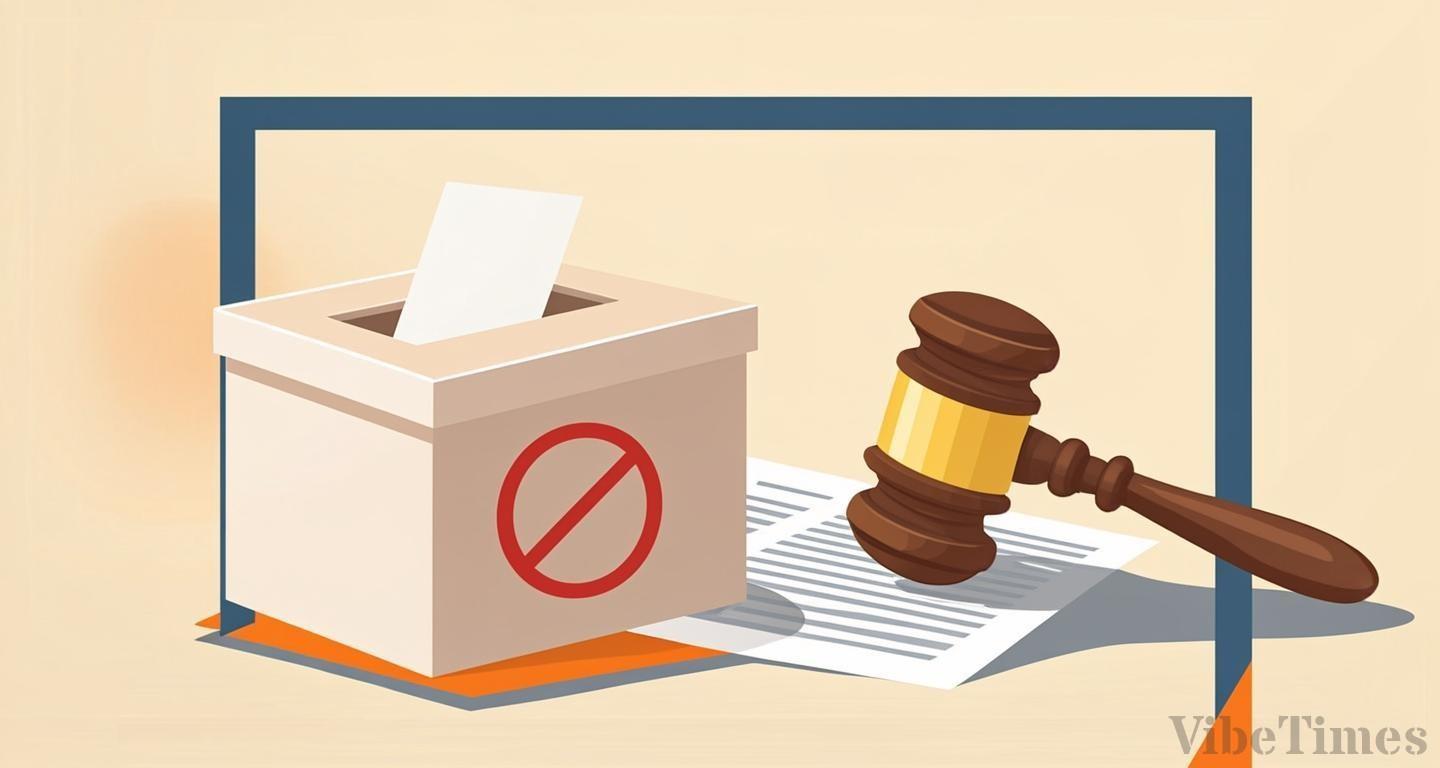
A bill that could legally do away with early voting has been introduced to the National Assembly.
Citing the ballot paper shortage during the June 3 local elections, the People Power Party on September 21, 2026 introduced as its official party position a so-called 'Voting Rights Protection Act' that would abolish early voting and overhaul the National Election Commission (NEC). The special committee on investigating the infringement of voting rights in the June 3 election and election management reform (June 3 Special Committee) submitted a full revision of the NEC Act and amendments to the Public Official Election Act to the Assembly's bill office that afternoon. The party's choice of the word 'Protection' in the bill's name reflects its judgment that voters' right to vote was violated during the June 3 election.
Background of the Bill
The immediate trigger for the legislation was the ballot paper shortage. It was pointed out that voters who came to cast ballots were unable to receive their ballot papers, infringing on their voting rights, and the NEC, the body responsible for election management, came under fire. Adding to this were suspicions of bid-rigging in the delivery of early voting ballot boxes, turning demands for NEC reform into concrete legislation.
The People Power Party described the bill's intensity as "nothing short of dismantling the NEC," signaling an intent to change the entire governance structure rather than merely tinker with parts of the organization. Meanwhile, suspicions that the early voting system itself could serve as a channel for fraud spread within the opposition, cementing the abolition proposal as the party's official position.
Key Provisions and Scope
The bill has two main pillars. First, it would abolish the early voting system through an amendment to the Public Official Election Act. Early voting allows voters to cast ballots before election day, but the opposition proposes its removal, citing weaknesses in its administration. Second, a full revision of the NEC Act would change the commission's structure and auditing system.
Particularly noteworthy is the design of the audit body. The bill would establish an independent statutory collegial audit committee involving external experts, granting it the power to demand disciplinary action and to file criminal complaints. Audit findings and follow-up measures would be mandatorily reported to the National Assembly. The design is intended to compensate for the limits of internal audits through external checks, so that matters such as corruption involving early voting ballot box suppliers cannot be covered up within the organization.
The Debate
The divide between the ruling and opposition camps is stark. The People Power Party, the bill's sponsor, argues that voter trust cannot be restored without fundamentally curing the administrative failures exposed by the June 3 incident. In other words, with immediate improvements needed, it is difficult to rely on the NEC's own capacity for self-correction.
Opponents will inevitably criticize the abolition of early voting as a step backward from expanding voting rights. Early voting has become an established mechanism for convenience among office workers and mobile populations, they argue, and the problem lay in administrative failure rather than the system itself. It can be pointed out that fixing the management system, rather than eliminating the system, is more rational in terms of cost and effectiveness. There are also concerns that abolition could depress voter turnout. With the Reform Party introducing its own special counsel bill and the broader opposition broadly attacking the NEC, negotiations are expected to drag on over methods and scope, even if there is broad consensus on the need for reform itself.
Legislative Process and Outlook
The bill now goes to the relevant National Assembly standing committee for review. Given its scale as a full revision, provisions will need to be fine-tuned through subcommittee review and public hearings. With passage in the plenary difficult without bipartisan agreement, elements with relatively greater room for acceptance, such as the introduction of the audit committee, may be discussed separately from divisive ones like the abolition of early voting.
If an overhaul amounting to dismantling the NEC passes, the entire framework for managing the next election will change. Conversely, even if the early voting abolition clause is filtered out, the strengthened external audit provisions will likely survive in a form reflecting the lessons of the June 3 incident. Ultimately, the bill's fate is tied to how far the investigation into the June 3 incident progresses. As the results of investigations into supplier corruption are revealed one after another, pressure for reform is expected to grow.