President Lee Jae-myung Reads Slumping Approval Ratings as a Warning Sign

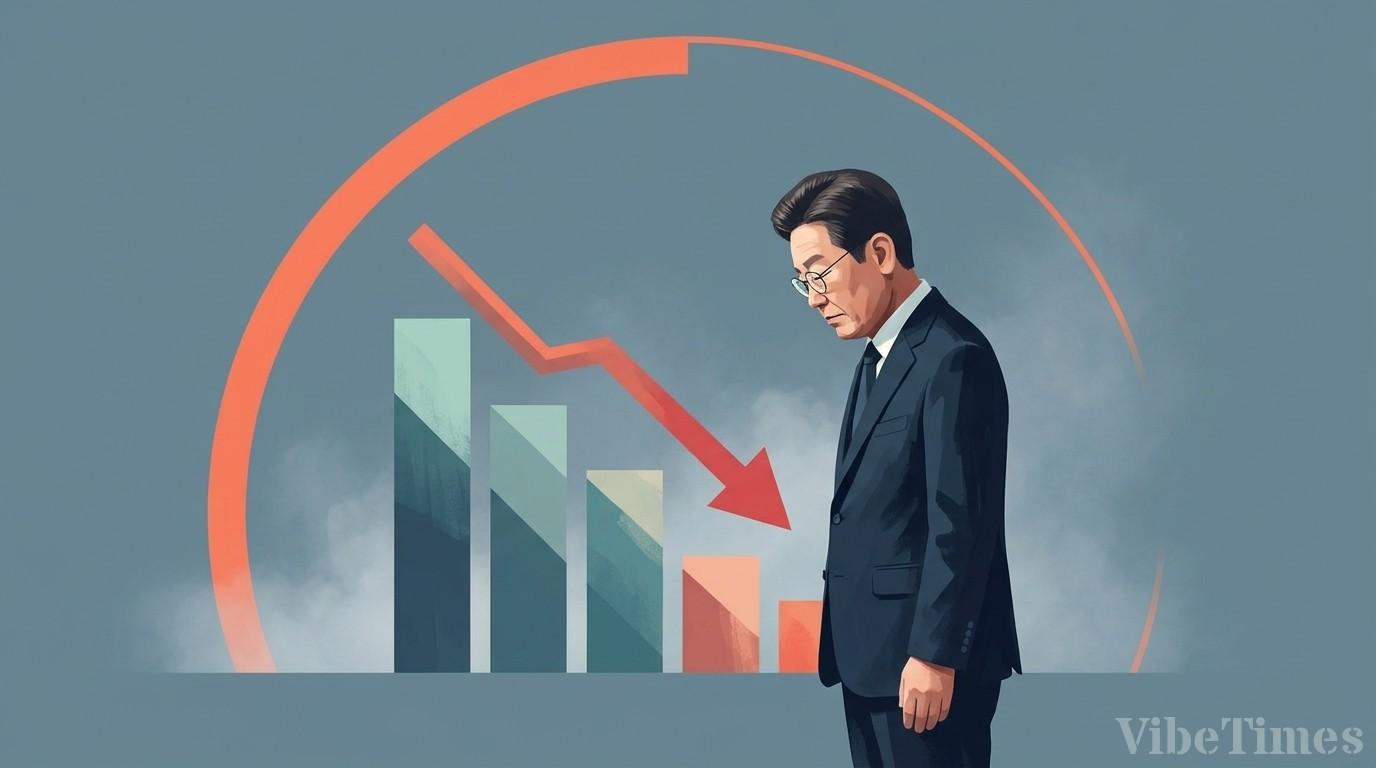
Since September, when President Lee Jae-myung's job approval rating fell into the 30-percent range for the first time since he took office, he has sharply increased his use of X (formerly Twitter) to directly voice his positions on key policy issues. Within the presidential office and the ruling camp, opinions differ on why the president is stepping into the forefront himself—ranging from a sense of crisis and frustration to his natural communication style.
According to aides from the early days of his administration, this direct communication did not begin suddenly. Just 21 days after his inauguration, on June 25 of last year, Lee held his first town hall meeting (a public forum for direct dialogue with citizens) in Gwangju, and over roughly a month he met with citizens three more times in Daejeon, Busan, and elsewhere. On July 29 of that year, he became the first president in history to broadcast a Cabinet meeting (a session where ministers deliberate on policy) live, including its discussion segments.
Within the presidential office, the figure often cited as a model of direct communication is Mexican President Claudia Sheinbaum. Sheinbaum holds a press conference from 7:30 a.m. on weekdays to explain key issues, and a poll by local media on the 3rd put her approval rating at 69 percent.
On why the president has taken to communicating directly, one presidential office official said Lee believes newspapers and broadcast outlets, constrained by space and airtime, make it difficult to fully convey his thinking, and that his mindset embraces receiving counterarguments and rebuttals through dialogue.
Interpretations differ as to why the president is stepping forward himself. A lawmaker aligned with Lee said, "He seems to have perceived the drop in approval ratings as a warning sign in his own way." Lee is known for an executive decision-making style that treats staff as operational personnel, and one minister from the ruling party diagnosed a sense of frustration, saying, "The party is too busy fighting to raise its voice."