One Egg, Rice, and Soy Sauce: A Complete Meal Made With Just Three Ingredients

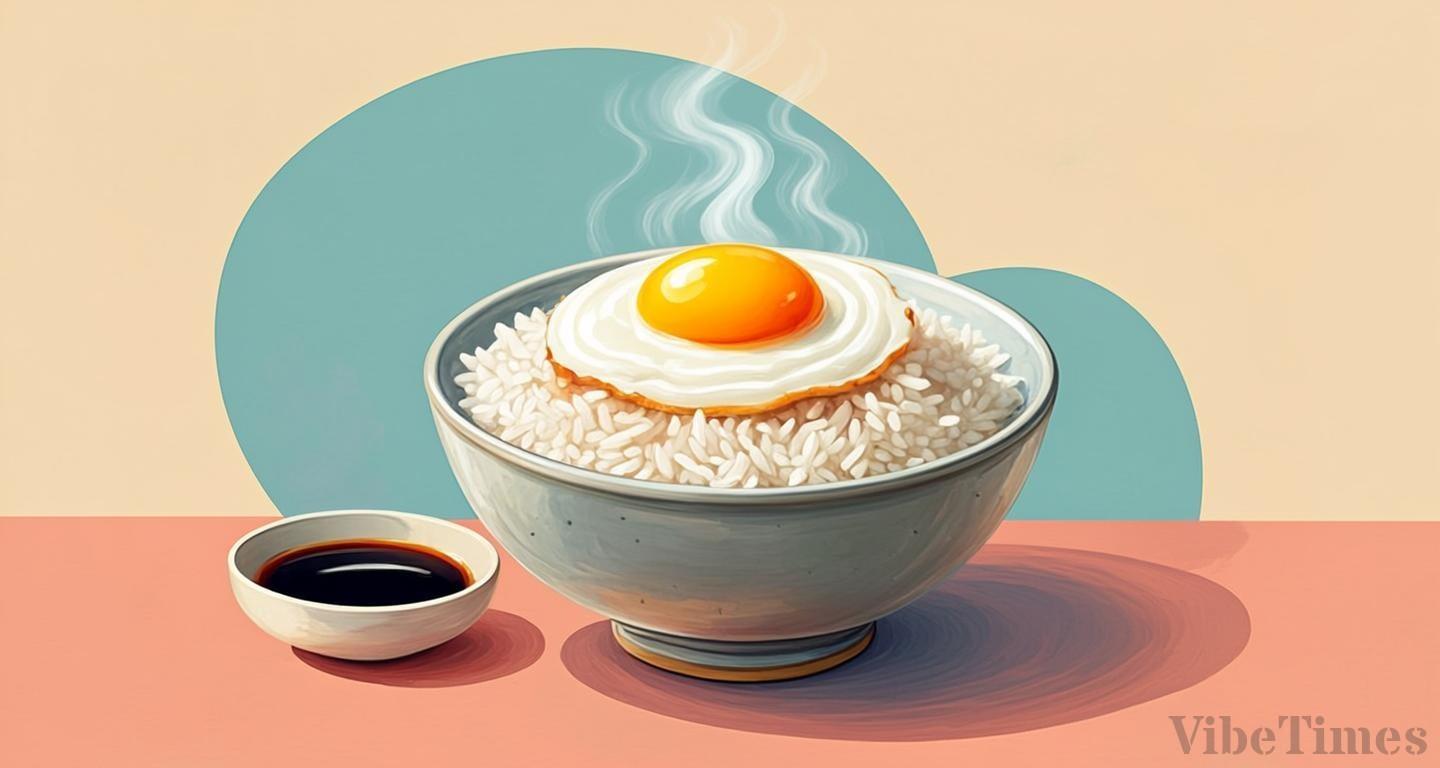
With one egg, a bowl of rice, and a tablespoon of soy sauce, you can have a meal ready in 10 minutes.
Even on days when the fridge is empty, these three ingredients—a combination at the heart of Korean, Japanese, and Chinese cooking—can be used in a variety of recipes. The safest bet is soy sauce egg fried rice, while those with no time at all can turn to egg over rice with soy sauce, which takes just one minute. The keys are the timing of the soy sauce, how far you cook the egg, and controlling sodium levels.
Soy Sauce Egg Fried Rice — The Most Balanced Choice
Ready in 10 Minutes: Why You Pour Soy Sauce Along the Edge of the Pan
Heat oil in a pan over medium heat, then scramble the beaten egg until soft-cooked. Add the rice, pressing and stir-frying it, and just before turning off the heat, pour 1 to 1.5 tablespoons of soy sauce along the edge of the pan. When the soy sauce briefly touches the hot rim of the pan, it produces 'wok hei'—a smoky, fire-kissed aroma—that dramatically improves the flavor.
Adding soy sauce to the pan from the start releases off-flavors and destroys its aroma. The rule is to drizzle it around the rim near the end of cooking, allowing the soy sauce to caramelize in the high heat and soak into the rice as umami. Give everything a quick final toss, and it's done.
Why Day-Old Cold Rice Is Better for Fried Rice
Rice from the previous day has lost moisture, so the grains stay firm rather than turning mushy. If you must use freshly cooked hot rice, it's better to let some of the steam escape by leaving the lid off before adding it. Conversely, fresh rice is better suited to rice bowls or steamed egg dishes, so choosing your menu based on the state of your rice is the first step in cooking.
Egg Over Rice With Soy Sauce — An Ultra-Simple Meal in One Minute
A Korean-Style Tamago Kake Gohan That Doesn't Even Require Stove
Crack one raw egg over a bowl of warm rice, drizzle with a tablespoon of soy sauce, and mix—it's that simple. A few drops of sesame oil, if you have it, bring the flavor to life. With no dishes to wash, it's a low-effort option for early-morning meals or late-night snacks.
Eating Raw Eggs: Essential Safety Rules
Raw eggs carry a risk of salmonella contamination, so pregnant women, the elderly, children, and others with weakened immune systems should avoid them. South Korea's Ministry of Food and Drug Safety recommends washing eggs before refrigerating them and consuming them within two to three weeks of purchase. Checking freshness is simple: an egg that sinks in water is fresh, while one that floats should be discarded.
Ways to Expand When You Have a Few More Ingredients
300ml of Water Turns It Into Egg Soup With Rice or Steamed Egg Rice
Boil 300ml of water, stir in beaten egg, and season with a tablespoon of soy sauce for a light egg soup with rice. A microwave works too: mix egg and water at a 1-to-1.5 ratio, add a little soy sauce, pour over rice, and heat for three to four minutes for a steamed-egg rice bowl. If you have more time, beat two eggs with half a tablespoon of soy sauce, cook into a thin omelet, roll it up, and lay slices over rice for another easy rice bowl.
Add Eggs to Soups With Caution
Stirring an egg into noodle or soup dishes makes the broth smoother, but can also mute its overall flavor. If the broth's taste is the priority, add only a small amount of egg late in cooking, or leave it out entirely. Simply changing the type of oil also changes the result: vegetable oil keeps things light, while a few drops of sesame oil at the finish adds a distinctly Korean nuttiness.
Three Things That Make or Break Taste and Health
One Tablespoon of Soy Sauce Is 45% of Your Daily Sodium Limit
A single tablespoon of soy sauce (15ml) contains about 900mg of sodium—roughly 45% of the WHO's recommended daily intake of 2,000mg. If you eat two meals based on this combination, it's safer to keep each serving to a tablespoon or less of soy sauce. If it tastes too bland, reduce the soy sauce and add an extra egg instead.
Follow the Order: Add Rice While the Egg Is Still Soft
If you cook the egg through before adding the rice, it crumbles into small pieces and loses its texture. Adding the rice while the egg is still soft-coated allows the egg to form a thin coat around each grain, distributing its richness evenly. When scrambling the egg, cook it quickly over high heat to keep it from turning dry and chalky.
Balance the Nutrition With One Vegetable
The protein from the egg and the carbohydrates from the rice provide plenty of energy, but the dish lacks dietary fiber and vitamins. Adding just one item—scallions, onions, or kimchi—greatly improves the balance. Recent research, including the 2020 U.S. Dietary Guidelines, supports the conclusion that eating two to three eggs a day does not significantly raise cardiovascular disease risk for healthy adults, so there's no need to worry about increasing the amount of egg. Just remember the basic ratio of one egg, one bowl of rice, and one to one-and-a-half tablespoons of soy sauce, and you can scale it up to two or three servings without fail.