Natural Light Is the Key to Ghibli-Style Morning Routine Videos

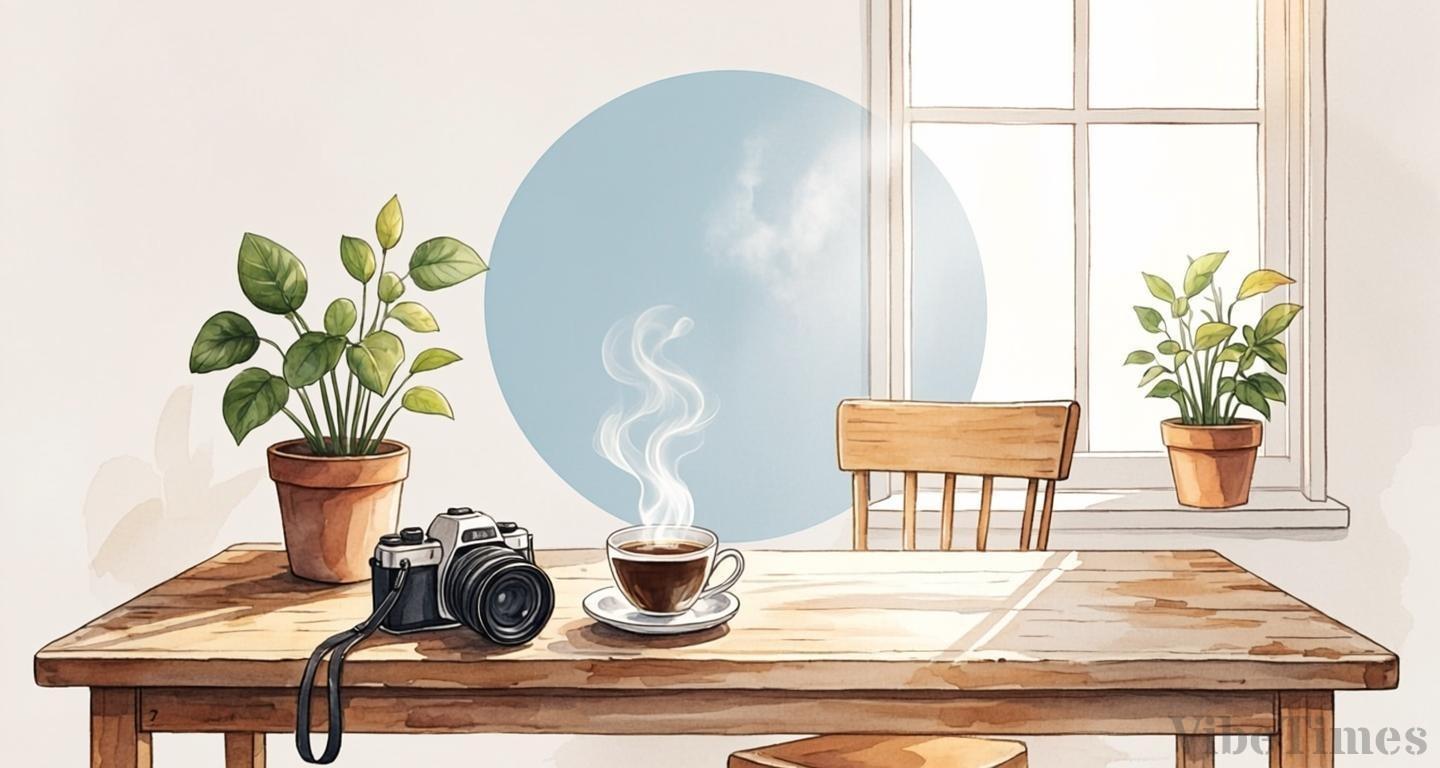
The quality of a Ghibli-style morning routine video is 80% determined by natural light, not expensive equipment.
Small scenes—morning light filtering through a window, steam rising from coffee, a gently swaying curtain—are far more important variables than a fancy camera. Content in the "morning routine," "slow living," and "cottagecore" genres keeps gaining steady popularity on YouTube, and Korean aesthetic vlog channels are rapidly gaining subscribers with this style. Ultimately, the key is a combination of 'light + sound + a relaxed editing rhythm.' As Emerson said, "Nature always wears the colors of the spirit," and the Ghibli sensibility likewise begins by borrowing the colors of light that nature provides.
Visual and Audio Elements That Create the 'Ghibli Sensibility'
Soft natural light and low-saturation color set the mood
Ghibli's signature cozy imagery comes from diffused light rather than direct sunlight. Half-closing your curtains to soften and scatter the light brings out a film-like texture. In color grading, lowering saturation and contrast while adding yellow-orange tones to the highlights and a touch of teal to the shadows completes that warm, filmic Ghibli look. You can use LUTs that mimic Kodak Portra or Fujifilm stock, or grade with free DaVinci Resolve—it's more than enough.
Everyday details stir the viewer's emotions
"Micro-moments"—a shot of milk being poured into coffee, a close-up of fingers spreading jam on bread—are at the heart of this animated emotional quality. Light reflecting in a glass cup, steam and dust scattering in backlight are classic Ghibli-style light expressions. Overcast days are actually advantageous, since the whole sky acts as a natural diffuser.
Calm BGM and ASMR sound complete the immersion
Sound matters as much as visuals. Layering real ambient sounds—water pouring, coffee grinding, page turning—under calm piano or acoustic BGM creates a sense of slow breathing. Built-in camera mics have limits, so an external recorder like the Zoom H1n is recommended. For BGM, use copyright-safe sources such as the YouTube Audio Library, Epidemic Sound, or Artlist. Using actual Ghibli music is copyright infringement and must be avoided.
Choosing gear: a bright lens matters more than resolution
You can start with just a smartphone
With the Cinematic mode on iPhone or Galaxy flagship phones, you can produce videos with zero initial investment. Background blur is limited compared to portrait mode, but the built-in stabilization is excellent, making it easy to secure steady footage. The barrier to aesthetic vlogging isn't gear—it's directing technique.
Choose mirrorless cameras by sensor size and aperture
Vlog-focused mirrorless cameras like the Sony ZV-1, ZV-E10, a6400, and Canon R50 cost roughly 1–1.5 million won. More than resolution, whether the lens offers a bright F1.8–2.8 aperture is the decisive factor for Ghibli-style bokeh. Keeping enough distance between subject and background makes the background blur even more softly. Action cams struggle with depth of field, making them unsuitable for this genre. Gear prices and the latest models change constantly, so re-checking reviews before purchase is essential.
Start accessories with a tripod and ND filter
Given the genre's reliance on fixed shots, a mini tripod costing 20,000–50,000 won is enough. An ND filter is needed to shoot with an open aperture in window backlight, and one soft light for times when natural light is lacking is optional.
Shooting and editing: the technique of slow pacing
Plan your shooting route around natural light windows
The warm, low-angle light of 6–8 a.m.—from just before sunrise through the next hour or two—is the core of the Ghibli color palette. Pre-planning your scenario in order—opening the curtains, a backlit stretching silhouette, a skincare close-up, cooking scenes, eating by the window, ending with reading—reduces the risk of failure in light-dependent shoots. In particular, cooking scenes with boiling water and steam are a signature segment for recreating the Ghibli "Delicious Theater" feel.
Framing basics: fixed shots and layered compositions
Fast camera movement is taboo. Stick to fixed shots with only slow pans and tilts, and hold each shot for at least 5–10 seconds to leave editing room. A layered composition—placing a plant or cup blurred in the foreground while shooting the subject behind—creates depth. With shallow depth of field, focus drifts often, so check focus on every take. Shoot at 24fps as the cinematic baseline, and only shoot slow-motion cuts at 60fps or higher.
Edit to a rhythm that leaves breathing room
Instead of fast cuts, connect scenes with crossfades; the still, quiet space between cuts gives viewers time to savor. Serif or handwritten-style captions enhance the mood. Shorts should be a compressed 30–60 seconds, while long-form works best at a relaxed 5–15 minutes. Film grain adds an analog feel, but too much looks like noise—restraint is key. Oversaturating colors also tips into kitsch.
Differentiation strategy: positioning within Eastern-inspired aesthetic content
The point is translating animation's emotional register into live action
The path to differentiation is recreating in live-action video the warm artistry and Eastern sensibility found in Ghibli-style cozy ASMR and aesthetic slice-of-life animation. Using the color palette and composition of a desired animated scene as a reference, and matching the backlight angle and prop placement, lets you achieve that animated emotional quality even in live action.
A consistent tone builds subscriber loyalty
The growth of Korean aesthetic vlog channels proves this shooting formula. A sensible sequence is to start with a smartphone, refining light, sound, and editing rhythm first, then move to a mirrorless camera once the channel shows growth. Maintaining the same color and sound tone in every video appears to be the decisive factor in converting one-time viewers into subscribers.
In the end, a Ghibli-style morning routine video is an art of restraint, not spectacle. Capture the colors of light nature provides at just the right moment, layer emotion through sound, and before long the viewer lingers on the scene like a still frame.
