PPP Lawmakers from Daegu and North Gyeongsang Call for Halt to Film Screenings

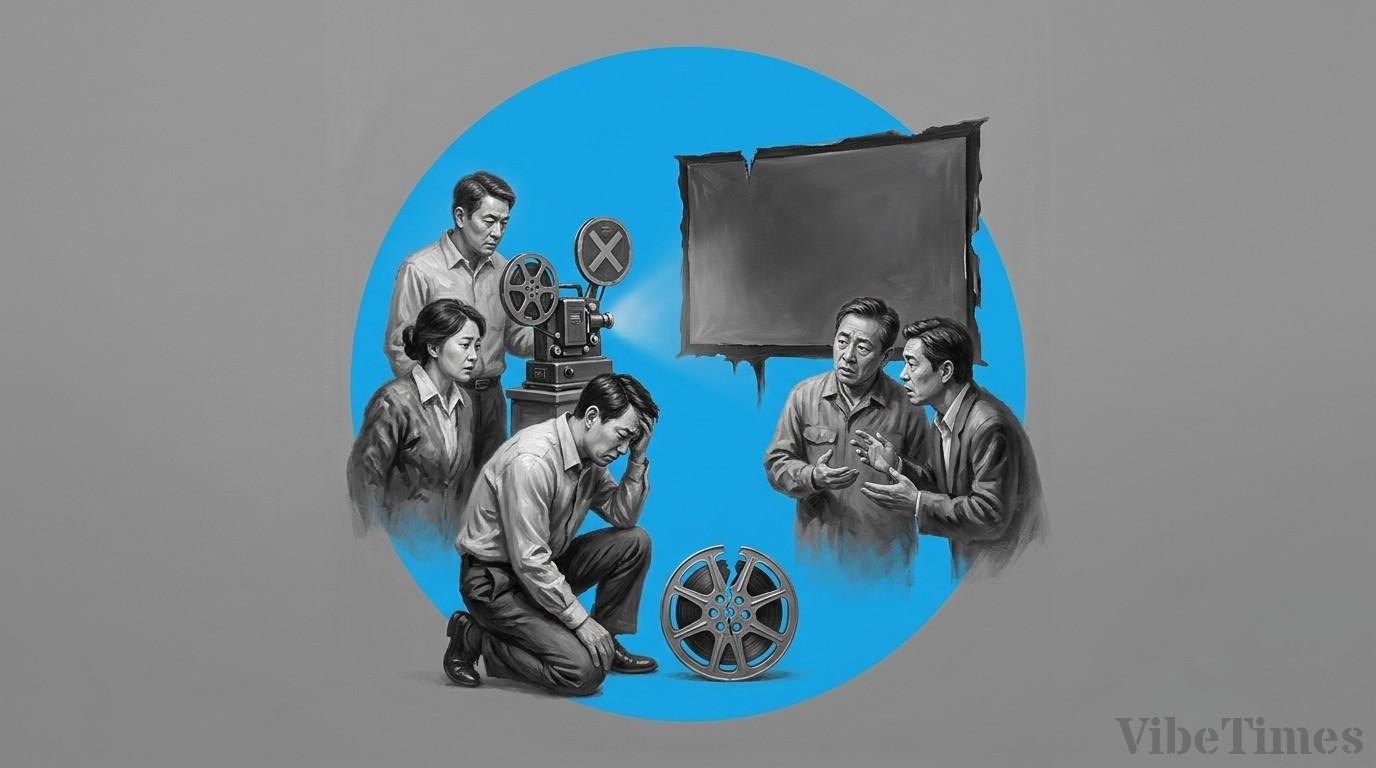
Lawmakers of the People Power Party representing the Daegu and North Gyeongsang regions have jointly called for the immediate halt of screenings of the film 'Assassin(s),' creating tension between the political sphere and the film industry.
Background and Issues Behind the Call to Halt Screenings
These lawmakers demanded that "the screening of 'Assassin(s)' must be stopped immediately." Because the film deals with regional sentiment connecting the Jeolla region with Daegu and North Gyeongsang, the key issue is not the film itself but the fact that its screening has escalated into a political matter. Critics point out that conservative politicians collectively demanding the halt of a specific film's screening is a sensitive move that could trigger accusations of infringing on freedom of expression.
Freedom of expression and the protection of regional sentiment have long been clashing values. Direct political pressure on creative works has sparked controversy many times in the past, and this demand is no exception to that pattern. The problem lies not in the quality of the individual work, but in the fact that a large group of lawmakers has stepped forward to try to block its screening altogether. This acts as pressure that could affect theaters, distributors, and moviegoers' freedom of choice.
Political Reactions and Fallout
Attention is likely to focus on the fact that this was a collective action by opposition lawmakers, not the ruling party. President Lee Jae-myung has recently sent dual messages of 'unity' and 'checks' to the Democratic Party, so he may be pressed to take a stance on this issue, which could inflame regional conflict. Meanwhile, the Daegu and North Gyeongsang lawmakers are believed to have acted against the backdrop of voter reactions that regional sentiment had genuinely been hurt.
Separate sparring is also continuing at National Assembly audits underway the same day. As Deputy Prime Minister Bae Kyung-hoon responds to audit questions, political attention is focused on the symbolic weight of the call to halt screenings. Concerns are being raised within and beyond the film industry that if political pressure over creative works spreads, the production and release environment for future films will inevitably shrink.
Outlook and Implications
The key point to watch is whether the demand to halt screenings will remain a political appeal without legal force or actually lead to theaters pulling the film. If distributors and theaters maintain their independent judgment, the appeal will remain merely declarative; conversely, if screenings are reduced, criticism that freedom of expression is being stifled is expected to grow louder. In addition, there is a possibility that the debate over regional sentiment could be wielded as a tool of political mobilization, coinciding with the reconfiguration of conservative politics after the presidential election.
Ultimately, this issue raises a question that goes beyond the fate of a single film: where should the boundary of political intervention in creative works lie? Whether the matter concludes in a way that respects audiences' choices and creators' autonomy, or becomes an occasion for regional conflict to reignite, will determine the course going forward.