Unarmed Guard Duty Confirmed Across All Frontline Corps

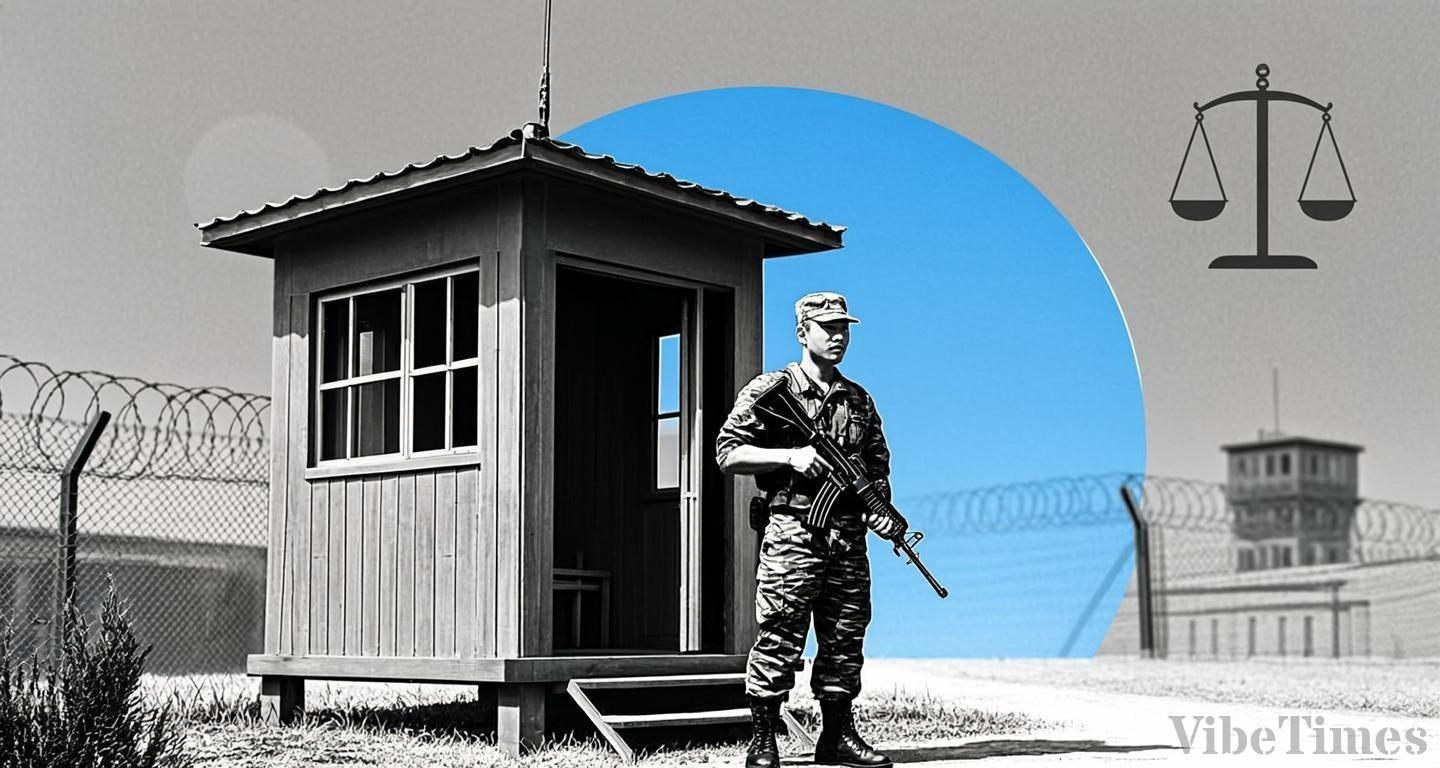
Unarmed guard duty—soldiers standing watch at guard posts with weapons but no live ammunition—has been confirmed across all frontline corps.
Jeong Jeom-sik, floor leader of the People Power Party, said on the 6th that a Defense Ministry audit found cases of unarmed guard duty in every corps along the front line, calling for both a parliamentary investigation and a special prosecutor. Unarmed guard duty refers to standing watch with only a weapon and no live rounds. As it makes immediate response impossible in wartime or crisis situations, it is seen as an indicator exposing fundamental problems in the military's combat readiness.
Background of the Unarmed Guard Controversy
The essence of the problem lies not in a simple troop management error but in the reliability of the military's internal reporting system. The key point is that the same issue was identified not in a specific unit but in all frontline corps. This suggests not the responsibility of individual commanders, but a structural and organizational management failure—and, further, the possibility of concealment in the reporting process to superiors.
This is why the floor leader demanded a parliamentary investigation and a special prosecutor simultaneously. A parliamentary investigation is a mechanism through which the National Assembly examines the military as a whole, allowing broad identification of organizational problems through relevant documents and summoning those responsible. A special prosecutor, by contrast, is a means of holding parties criminally accountable and applying the law. Running both in parallel, the argument goes, would achieve fact-finding and accountability at the same time.
Legal and Institutional Issues
A parliamentary investigation proceeds under National Assembly Act procedures once a motion is passed with majority approval of the full membership. However, since negotiations between the ruling and opposition parties are required, disagreements over the scope and duration of the probe are highly likely. The special prosecutor route likewise presupposes the enactment of a special prosecutor law, making disputes over the candidate nomination process and the scope of the investigation inevitable during the legislative passage.
The issues boil down to two. One is whether the unarmed guard duty was ordered or caused by troop shortages; the other is whether it was reported up the chain of command. If the reporting was omitted or downplayed, it could escalate into questions of command responsibility and criminal liability. Given that the audit covers all frontline corps, accountability could extend to the very top of the command structure.
Military Readiness and Political Fallout
Military officials are also deeply concerned. The fact that the Defense Ministry identified the problem through its own audit could be used defensively as evidence that internal controls worked—but conversely, it is pointed out as proof of a lack of transparency, since the issue had not been disclosed externally until now. Pursuing both a special prosecution and a parliamentary investigation also carries the cost of a prolonged leadership vacuum and organizational tension within the military.
The opposition's stance is another variable. While both parties tend to approach military investigations with caution, disagreements are expected over whether to limit the probe to this specific matter or broaden it. Civic groups and military watchdog organizations are expected to call for a transparent investigation and demand a comprehensive review of frontline troop operations.
Timeline and Outlook
For the time being, audits and reports on the findings are likely to continue through the National Assembly's Defense Committee. The motion for a parliamentary investigation is expected to see its prospects clarified during the regular session, while the special prosecutor bill can move to a floor vote after introduction only if the two parties reach an agreement.
Whatever the procedural course, the challenge this issue leaves behind is clear. If only individuals are held accountable while the structural cause of troop shortages is left unaddressed, unarmed guard duty will inevitably recur. Voices both inside and outside the military agree that investigation and legislation must translate into a substantive restoration of combat readiness.