Judge Recusal Hearing Stalls Former Deputy PM Choi's Trial for Four Months

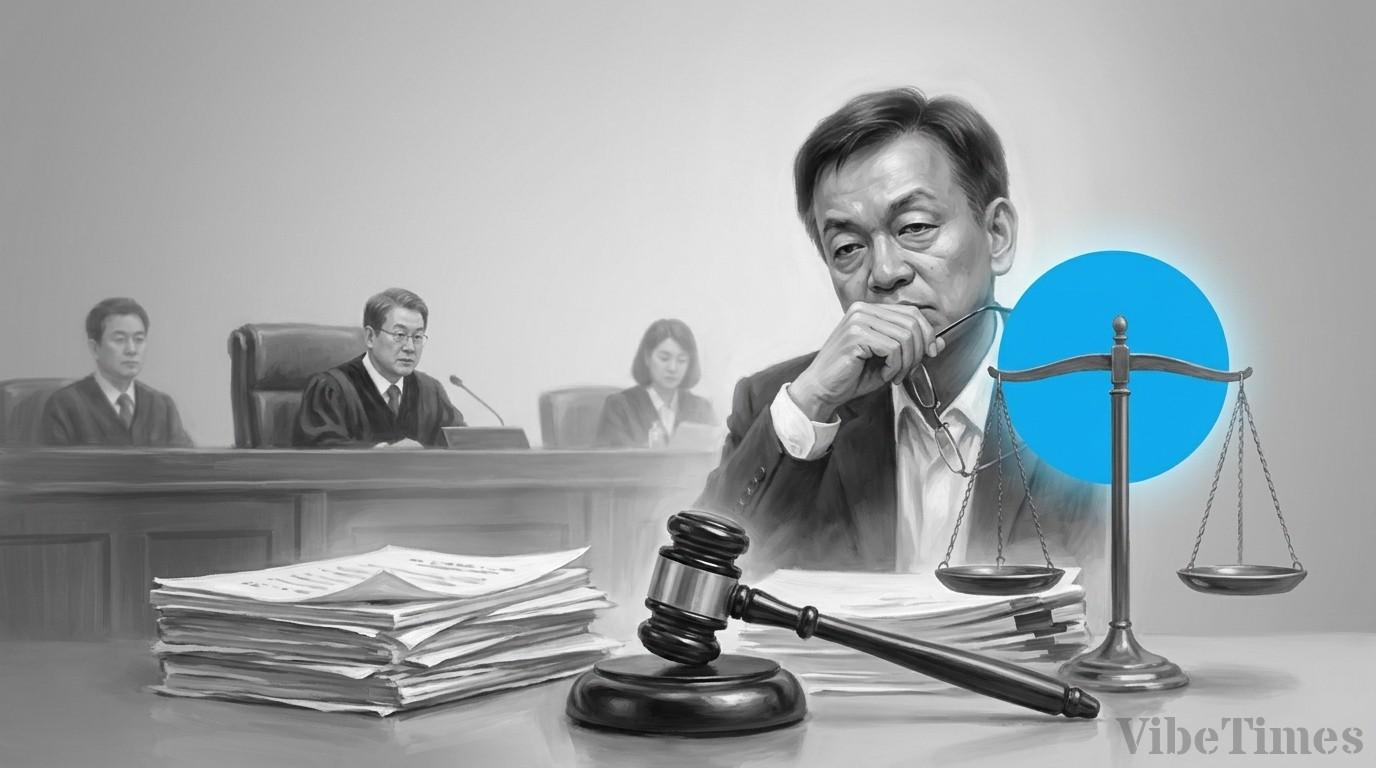
A single judge recusal petition has brought the first trial of former Economy Deputy Prime Minister Choi Sang-mok to a halt for eight months now.
According to a Yonhap News report on the 8th, the Cho Eun-seok special investigation team on the insurrection case urged the Supreme Court to make a swift decision regarding the former deputy prime minister's case that day. The special prosecutors took issue with the fact that the Supreme Court's review of the judge recusal petition has been ongoing for more than four months. The team argued that the recusal review period has grown longer than the Supreme Court's average, expressing concern that trial delays could hinder the discovery of truth. As the case unfolds at the point where the defendant's procedural right to mount a defense collides with the demand for speedy proceedings, it raises questions not only about legal doctrine but about trial administration as a whole.
What Brought the Trial to a Halt
A judge recusal petition is a defendant's request to exclude a particular judge when that judge's fairness in the case is in doubt. It is one of the defense rights available to defendants in criminal proceedings, but under the current structure, the trial cannot proceed until a decision is made on whether the recusal petition will be granted. After the former deputy prime minister's side filed the petition, the court separated his hearings from those of the other defendants. As a result, proceedings against the former deputy prime minister have been suspended for roughly eight months. Meanwhile, former Prime Minister Han Duck-soo and other co-defendants in the same case are set to receive first-trial verdicts on the 26th, meaning the pace of proceedings among defendants before the same court has diverged dramatically.
The Special Prosecutors' Argument and the Issues at Stake
The special prosecutors pointed out that the Supreme Court's review of the recusal petition is taking far longer than usual, citing the fact that the review has now exceeded four months. Viewing the delay as potentially detrimental to uncovering the truth, the team formally requested that the Supreme Court issue a prompt decision. There is also a structural limitation: recusal reviews are decided by the Supreme Court's full bench or by the panel itself, leaving lower courts unable to expedite matters at will. On the other hand, the defense could argue that a judge recusal petition is a right guaranteed by procedure, and that a lengthy review period does not in itself constitute abuse. Ultimately, the issue comes down to where to strike a balance between two constitutional values: the exercise of the right to a defense and the right to a speedy trial.
Lessons for Judicial Administration
The situation demonstrates how the recusal system can be used as a tool for delaying trials. The fact that a single recusal petition has stalled a first trial for eight months means not only a widening gap in the pace of proceedings among co-defendants, but also a significant postponement of the very point at which guilt or innocence is determined after indictment. Given the gravity of insurrection charges, a delayed verdict pushes back the moment society receives a definitive judicial judgment. Discussions may follow on institutional measures such as extending the special prosecution's mandate or adjusting trial schedules.
Outlook
The immediate key is the Supreme Court's ruling on the recusal petition. If it is rejected, the first trial will resume and the case against the former deputy prime minister is expected to return to the hearing stage. If granted, the presiding judges will be replaced and the proceedings will effectively have to start from scratch. Either way, even after the verdicts expected on the 26th for former Prime Minister Han and others, a judgment on the former deputy prime minister is likely to be a long time coming. Whether the special prosecutors' call for a speedier decision actually affects the pace of the review, and whether this case leads to discussions on reforming the recusal system, are the key points to watch.