A One-Week Slow-Aging Meal Plan for Office Workers Using Packed Lunches

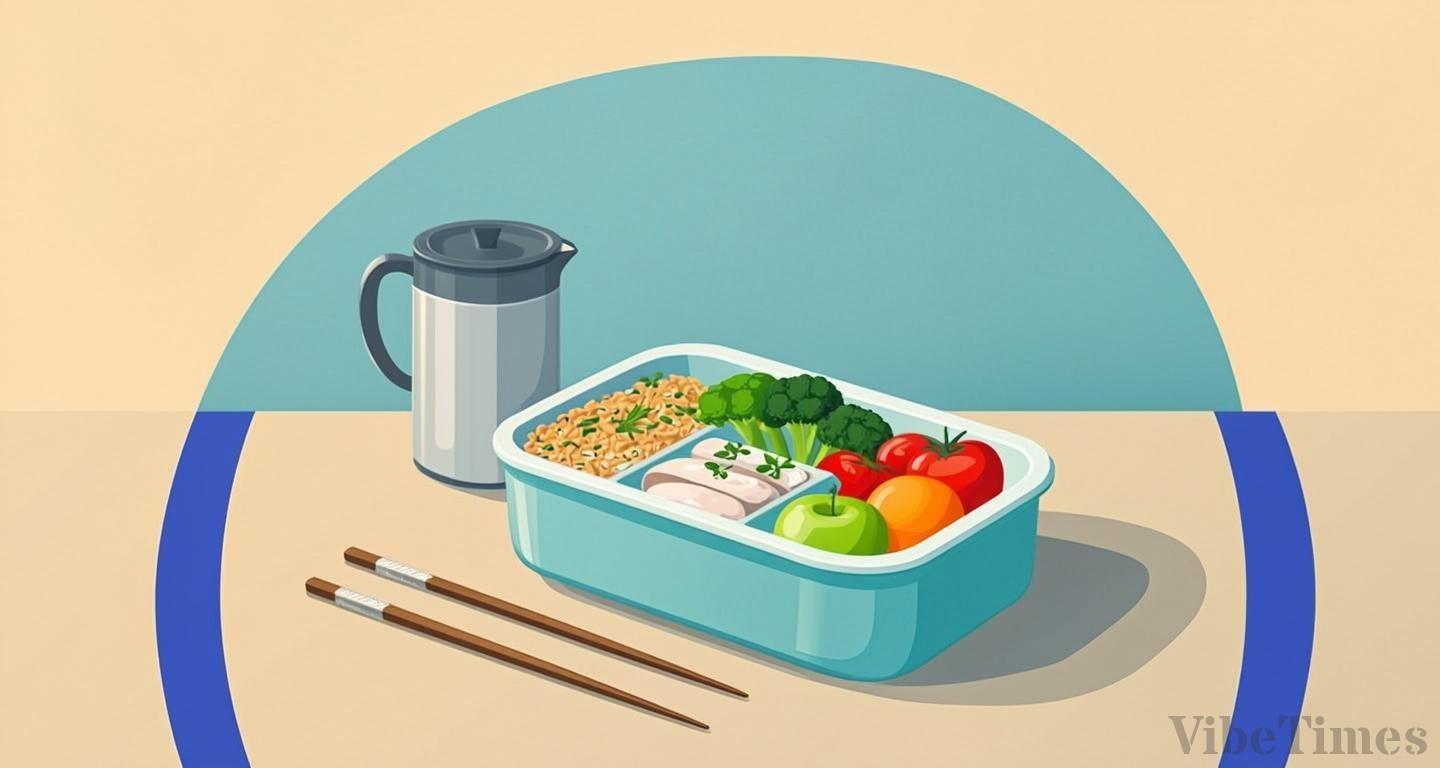
Changing just one lunch a day can slow the clock of aging.
In an era of 'lunchflation,' where the average cost of a lunch outing exceeds 10,000 won, the packed lunch has become a strategy for office workers to protect both their wallets and their cells. Applying the core slow-aging principles—antioxidants, low glycemic index, and omega-3s—to weekday lunches saves 80,000–120,000 won a month while also managing blood sugar and controlling sodium intake. As Jim Loehr said, success is the natural result of consistently repeating the basics. It's the same logic that makes a sustainable 80% effort more effective for improving aging markers than a perfect diet.
Slow-Aging Principles to Apply to Your Lunch Box
Carbohydrate Design to Prevent Blood Sugar Spikes
Rapid blood sugar spikes create advanced glycation end products (AGEs) that accelerate cellular aging. The first step is switching your rice from white rice and refined flour to low-GI carbohydrates like brown rice, oats, and whole wheat. Jumping straight to 100% multigrain rice can be daunting, so start by mixing white rice with brown rice and oats at a 1:1 ratio to ease the transition. Aim for 150g of multigrain rice per lunch.
A Formula for Antioxidants and Omega-3s
The basic formula is 150g of multigrain rice plus one protein side dish, two vegetable side dishes, and healthy fats (nuts or perilla oil). Green and yellow vegetables like broccoli and spinach, and berries like blueberries, are rich in antioxidants, while oily fish like mackerel and salmon are premier sources of omega-3s. As for calories, the CALERIE study reported in Nature Aging in 2023 found that a 12–14% weight reduction improved aging biomarkers—so the goal is maintaining moderate caloric intake, not binge eating.
Controlling Ultra-Processed Foods and Sodium
A single lunch out typically exceeds 2,000mg of sodium. The recommended guideline is to keep ultra-processed foods below 10% of daily total calories, and packing your own lunch lets you control both. Season with soybean paste, lemon, and herbs instead of salt, and use low-sodium cooking methods to dramatically cut sodium.
A Practical Menu from Monday to Friday
Oily Fish and Whole Grain Days
Monday features braised mackerel with brown rice, seasoned broccoli, and fresh kimchi—a combination pairing the mackerel's omega-3s with broccoli's sulforaphane. Thursday calls for quinoa blended rice with salmon steak, asparagus, and cherry tomatoes. Scheduling fish two to three times a week spreads out omega-3 intake, and using frozen salmon and canned fish reduces the ingredient burden.
Protein from Legumes and Tofu Days
Wednesday features tofu steak with stir-fried seaweed stems, seasoned spinach, and sautéed shiitake mushrooms—the key being tofu's isoflavones and the vegetables' dietary fiber. Tuesday is diced chicken breast steak with oat rice, cherry tomatoes, and almonds to secure lycopene and vitamin E. On Friday, low-sodium beef bulgogi with seasoned bean sprouts and stir-fried bell peppers creates a synergy that boosts iron and vitamin C absorption.
Snack and Fermented Food Routine
Breakfast is Greek yogurt with blueberries, a handful of nuts, and whole-grain oatmeal. Good snacks include cherry tomatoes, one or two pieces of dark chocolate with at least 70% cacao, or about ten almonds. Dinner wraps up lightly with a salad topped with soft tofu, or half a bowl of soup with rice and seasoned vegetables. Including small amounts of fermented foods like kimchi, soybean paste, and yogurt at every meal also supports gut health. Maintaining a fast after 8 p.m. can create a synergistic effect with 14-hour intermittent fasting.
Prep and Storage Strategies for Busy Office Workers
A Weekend Two-Hour Meal Prep Routine
On Sunday, shop for a week's worth of ingredients at once and portion and freeze five days of multigrain rice. Prepare three to four seasoned vegetable dishes in advance, and cook protein dishes the day before or same day for freshness. Simply changing the sauce turns the same ingredients into a different dish, so variety in seasoning is the key to avoiding boredom.
Hygiene and Freshness Management
The rule is to refrigerate or freeze cooked food within two hours. Store your lunch box in the refrigerator and reheat it in the microwave for at least two minutes at lunchtime to prevent food poisoning. Pack kimchi and seasoned vegetables in separate containers to keep the rice from getting soggy. Raw foods like sashimi and raw eggs are unsuitable for lunch boxes and best left out. On cost: roughly 200,000 won for 20 days of eating out versus 80,000–120,000 won a month for lunch ingredients—less than half.
Expected Benefits and Rules for Sticking With It
How Your Body Changes After 8 Weeks
The first noticeable benefit of switching to a low-GI diet is reduced afternoon drowsiness. Then, as body weight drops by around 5%, you enter the improved aging biomarker pathway identified in the CALERIE study. However, excessive calorie restriction is to be avoided. Maintaining under 1,400 kcal for women or 1,800 kcal for men long-term increases the risk of muscle loss and menstrual irregularities. For aging prevention, the recommended intake is 1.0–1.2g of protein per kilogram of body weight per day.
Three Rules for Staying the Course
First, allow one free-choice lunch a week for a psychological break. Second, keep frozen lunch boxes on hand as a backup for sudden overtime or company dinners. Third, when using canned or semi-prepared foods, check the sodium label and keep your daily intake within the 2,000mg guideline. If you have an underlying condition such as kidney disease or diabetes, consulting a doctor or dietitian before starting is essential.