US Ties North Korea Nuclear Intelligence Sharing to Resolving Coupang Issue

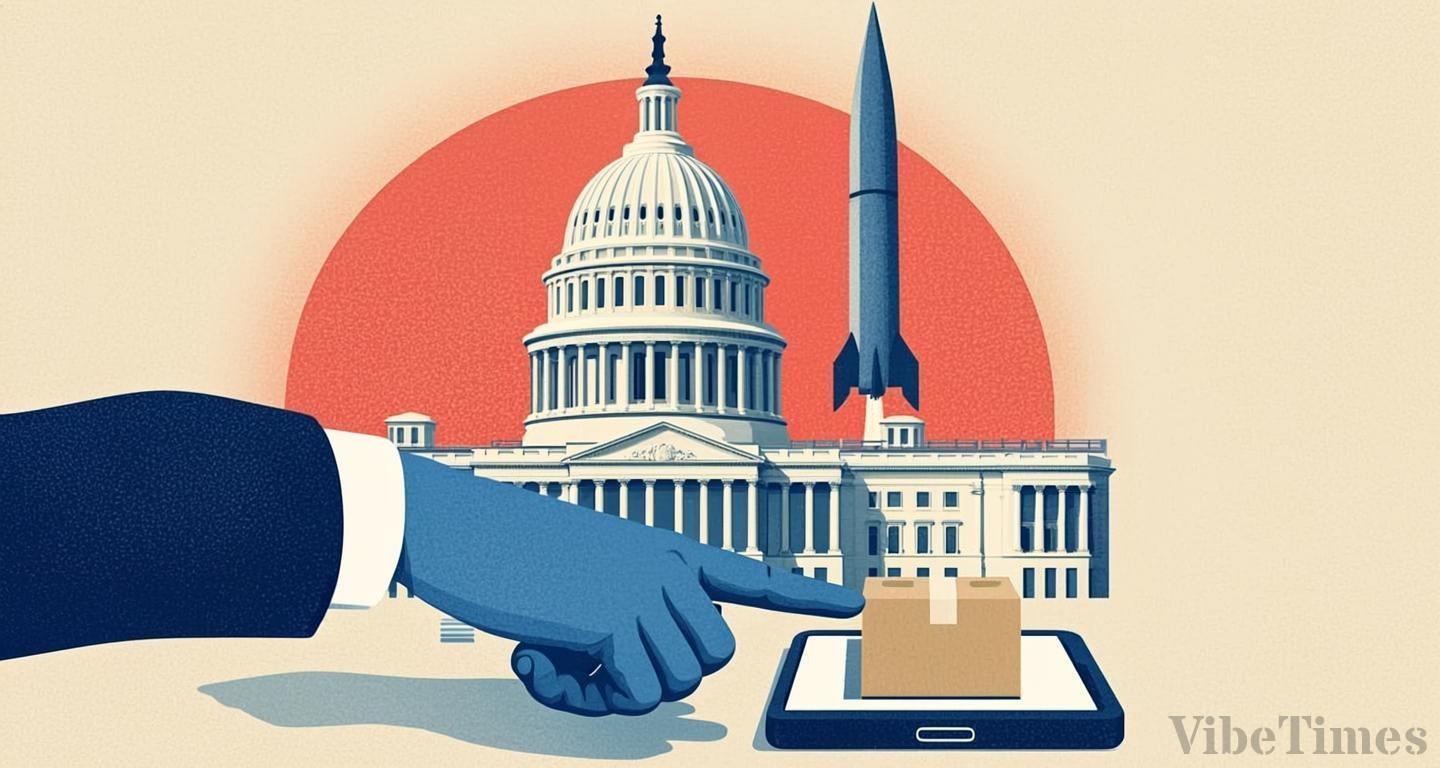
It was confirmed on the 15th that U.S. intelligence authorities recently conveyed to the South Korean government that the lifting of restrictions on sharing North Korea-related nuclear intelligence is tied to resolving bilateral economic issues such as the Coupang dispute. A senior official from the South Korean administration said that day, "U.S. intelligence authorities conveyed their position that 'this can only be resolved by restoring trust between intelligence agencies and by resolving economic issues, including Coupang. The Coupang issue has already been elevated to the government-to-government level of talks and remains unresolved.'"
On the surface, the basis the U.S. cites for the intelligence restrictions is Unification Minister Chung Dong-young's remarks in March about a uranium enrichment facility in Pakchon, North Korea. The U.S. characterized it as a leak of classified information and has maintained some restrictions on intelligence regarding North Korea. At a press briefing on the 12th, Minister Chung said he "directly explained the matter to Michael DeSombre, U.S. Deputy Assistant Secretary of State for East Asian and Pacific Affairs, who visited Seoul that month, and also recounted the circumstances through Ambassador to the U.S. Kang Hwa-won," but the measures have not been lifted. Chung first mentioned the uranium enrichment facility in Pakchon, North Pyongan Province, during his parliamentary confirmation hearing in July 2025.
The South Korean government has clarified that Minister Chung did not leak classified information obtained from the United States. Nevertheless, the U.S. has maintained its position that the problem is that Chung cited a report by IAEA Director General Rafael Grossi in referring to facts about the Pakchon nuclear facility that had not been fully verified. The result has been a sharp drop in the flow of intelligence.
Cha Du-hyeon, a senior research fellow at the Asan Institute for Policy Studies, diagnosed that "within the Trump administration, the practice of linking trade to security matters and tying trade issues to security concerns is being learned and shared." Lee Byung-chul, a professor at Kyungnam University's Institute for Far Eastern Studies, added, "The Pakchon remarks are an issue that could easily be explained, but the U.S. appears to be raising the Coupang issue alongside it. Since the South Korean and U.S. presidents will meet at the G20 summit, both sides need to coordinate before then."
