Special prosecutor in Kim Keon-hee case sought an additional arrest warrant four days before her detention expires

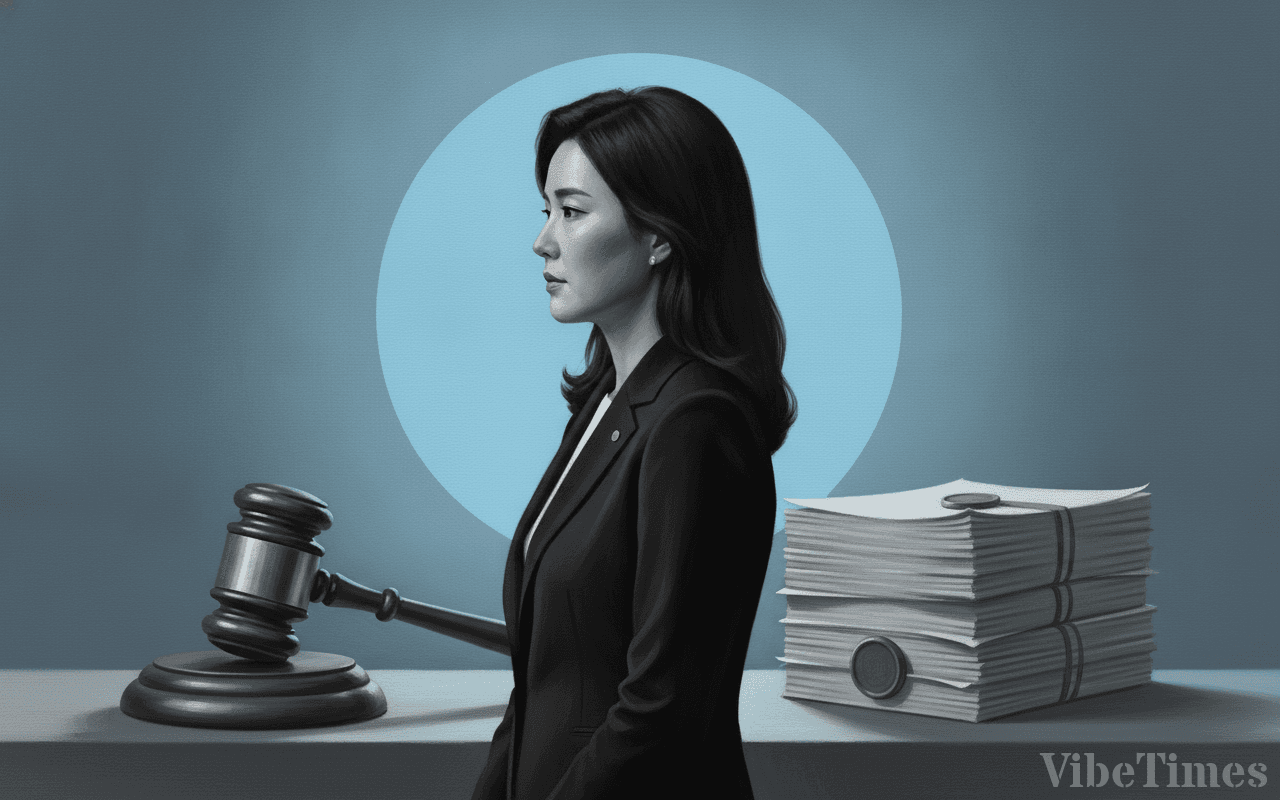
Four days before former First Lady Kim Keon-hee's detention was set to expire, the special prosecutor has requested an additional arrest warrant from the Supreme Court.
On the 15th, the special investigation team led by Special Prosecutor Min Joong-gi filed a request with the Supreme Court for a new arrest warrant for Kim Keon-hee, the wife of former President Yoon Suk-yeol, whose detention period ends on the 31st of this month. If the Supreme Court issues the new warrant, Kim will remain in custody rather than being released, and her trial will continue under detention. If the warrant is denied, however, Kim will be released on the 31st and her trial will proceed without bail.
Why an Additional Warrant Is Needed
Under the Criminal Procedure Act, detention periods are subject to statutory limits. To keep a defendant in custody during trial, the court must reassess the necessity of continued detention. The special prosecutor's request is precisely this procedure for extending detention at the trial stage. The prosecution maintains that the grounds for detention still stand, citing ongoing concerns over flight risk and the destruction of evidence.
The Supreme Court will now review the warrant request and decide whether to issue it. The substantive criteria for such review include the seriousness of the alleged offenses, the likelihood of evidence destruction, and the need to ensure smooth proceedings. Because detention is treated as an exceptional measure in criminal trials, the court's decision could fundamentally reshape how Kim's trial proceeds.
Impact on the Trial
If detention is extended, the current arrangement — in which Kim is transported from a detention center to attend hearings — will remain in place. Procedurally, this blocks the possibility of a defendant being released at a difficult stage of evidence gathering and deliberately stalling the trial. For the special prosecutor, this is a critical juncture that determines whether trial dates needed to prove guilt can proceed as scheduled.
The picture changes if the warrant is denied. A released defendant who fails to appear or repeatedly sends a proxy instead could cause trial delays, which is why the special prosecutor views the question of extended detention as directly tied to the pace of the trial. In criminal proceedings, detention and bail also involve balancing a defendant's right to a defense against the public interest, meaning the Supreme Court's decision could spark debates over trial fairness that go beyond the question of detention itself.
The Political Lens
The Kim Keon-hee special prosecution case is already mired in political conflict. The ruling camp has criticized the special prosecutor's investigation as excessive, while the opposition insists that the investigation's findings must receive full judicial review. The latest warrant request is poised to fuel further controversy even before the Supreme Court issues its decision.
The core of the matter is the application of the law. As Herbert Read argued, liberty and equality must be held as values above all else — the conclusion should rest on law and evidence, not on a particular individual's status or political standing. The moment the basis for a ruling — whether extended detention or release — departs from legal principle, the outcome risks being consumed as nothing more than fodder for political strife.
Schedule and Outlook
The Supreme Court's decision on the warrant is expected before Kim's detention expires on the 31st. Until then, the special prosecutor must substantiate the grounds for continued detention through written submissions and the review process. If the warrant is issued, a new detention period will be set, and Kim's trial will continue under the current detention-based framework.
The decision is expected to be a watershed moment determining the pace and direction of Kim's trial. Three axes — the special prosecutor's burden of proof, the defendant's right to a defense, and due process — will all be resolved within the court's ruling. Whatever the outcome, it is likely to become a decisive variable shaping the upcoming trial schedule and the timing of the first-instance verdict.
