October 24 Crowdfunding Report: NowHome Takes the Top Spot

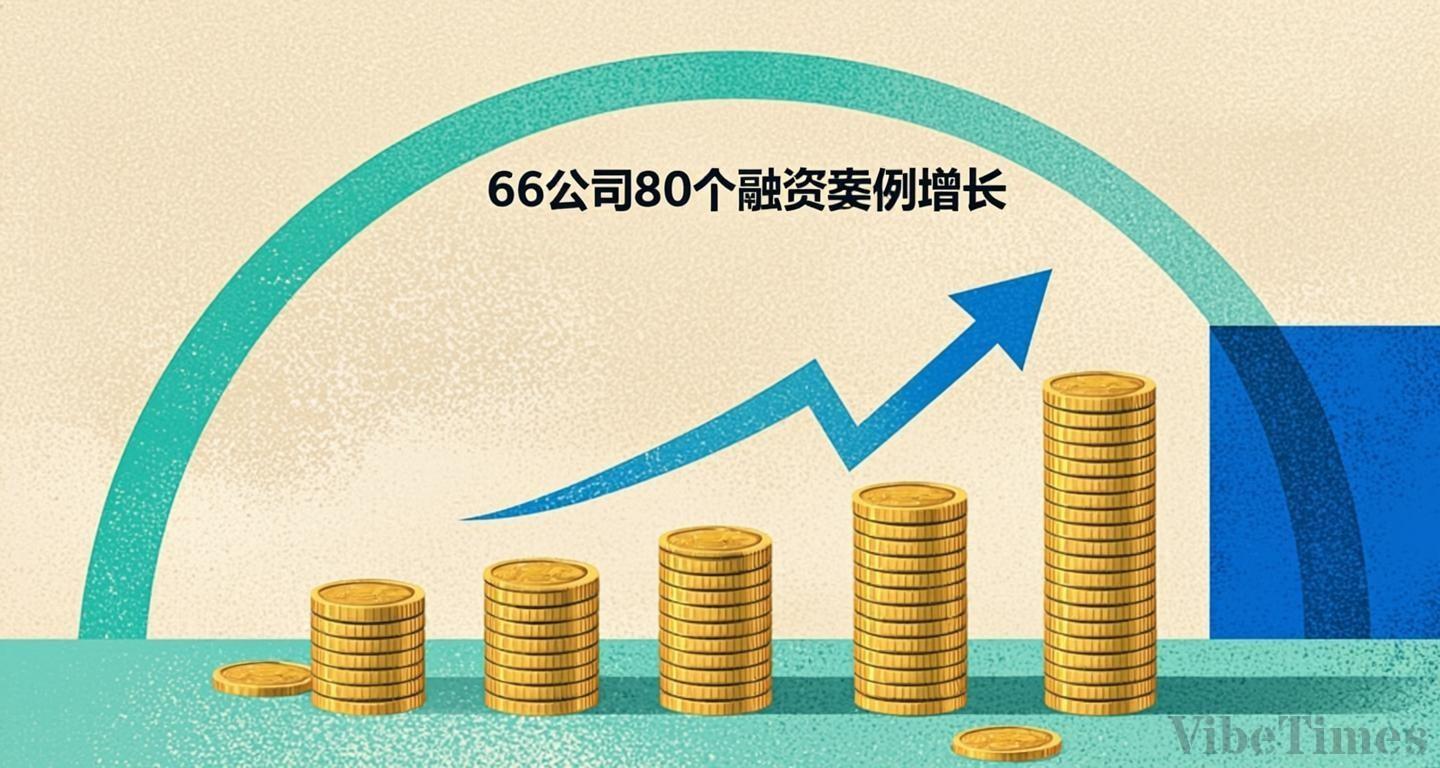
Home Appliances and AI Lead the Fundraising Pack as the Crowdfunding Map Shifts
Digging into data from 80 campaigns by 66 crowdfunding companies reveals a fundraising gap exceeding 250-fold. While the lowest-performing project raised a mere 70,000 won, the top campaign surpassed 18 million won. Based on the latest data from open-market crowdfunding platforms such as Wadiz, a clear shift is evident in where backers are opening their wallets — away from trendy products and toward functional appliances and AI tools.
The top of the fundraising table shows the direction. NowHome's 550W cordless vacuum cleaner featuring a Samsung battery raised 18.75 million won, Onwa's 500g King Peaches brought in 15.7 million won, and IQBox's Playmobil space collaboration product collected 15.58 million won. RunnerFit's full running set also reached the 8.96 million won range. At the bottom, small-ticket sundries such as chargers, towels, and pouches clustered together. SMS's portable fast charger stalled at around 70,000 won, while the same company's compression pouch and mini fan managed only 360,000 won and 140,000 won, respectively.
AI That Creates What Doesn't Exist, Sundries That Sell What Does
The most striking pattern in the data is the emergence of AI-based services. Sokon's AI content production service raised 3.8 million won, and Algoliquium's AI monetization system for non-developers stands at around 1.79 million won. Sungsaktul's AI short-form video maker also rides this wave. The simultaneous appearance of multiple projects selling creative and production tools suggests not the success of individual items, but a shift in backer demand. Within crowdfunding, efforts to turn content-creation capability itself into a product — rather than distributing physical goods — are steadily taking root.
The strength of the agricultural and food sector also stands out. Onwa's King Peaches and Fruitmeister's new-variety grapes and apples recorded 15.7 million won, 13.32 million won, and 9.29 million won, respectively. Seasonal farm products trumpeting their rarity now form the upper tier among consumer goods projects. With foods like Greenpick's peach and plum pies and Yoo Hyung-gon's charcuterie claiming a substantial share of overall volume, crowdfunding appears to have evolved from an exclusive stage for vetted startups into a pre-order channel for local farms and small food brands.
What Repeat Campaigns Reveal About Survival
Looking at project counts per company, repeated listings have become a strategy in their own right. People Korea launched its gloss towel and hair towel as the 25th and 22nd encore campaigns, respectively, and continued with eyeglasses, bags, and more. Including a 1.3-million-won leather convertible bag, its lineup-based serial play is striking. Truvo, meanwhile, raised 2.92 million won with a single anti-theft sling bag and 1.89 million won with a standard bag, demonstrating the efficiency of a single-category focus strategy.
On the other hand, many companies posted just one campaign and stalled in the 100,000-to-500,000-won range. In clothing and lifestyle goods, cooling boxer shorts (490,000 won) and a silicone body pad (500,000 won) languished near the 500,000-won mark — a sign of the high barrier unproven new brands face in earning backer trust. The data points to a structural conclusion: in crowdfunding, the battlefield is not ideas but repeat purchase history and accumulated reviews.
Analytical Outlook
Overall, the crowdfunding market's ability to discriminate is expected to sharpen. As Mark Twain wrote, "Fiction is obliged to stick to possibilities; truth isn't" — and the actual fundraising data point in directions contrary to conventional wisdom. Appliances backed by proven components like Samsung batteries, seasonal farm products with explicit scarcity, and AI tools that explain how they work are what earn backer trust, rather than flashy novel products. Going forward, fundraising totals are likely to reorganize around three pillars — appliances, AI, and agri-food — while sundries and apparel concentrate among a handful of brands with encore campaigns and repeat purchase records. For new entrants, a staged approach that lowers the initial project goal to build trust first appears to be the rational choice.