The Biggest Pitfall in Food Spending for Living-Alone Beginners Is Bulk Buying

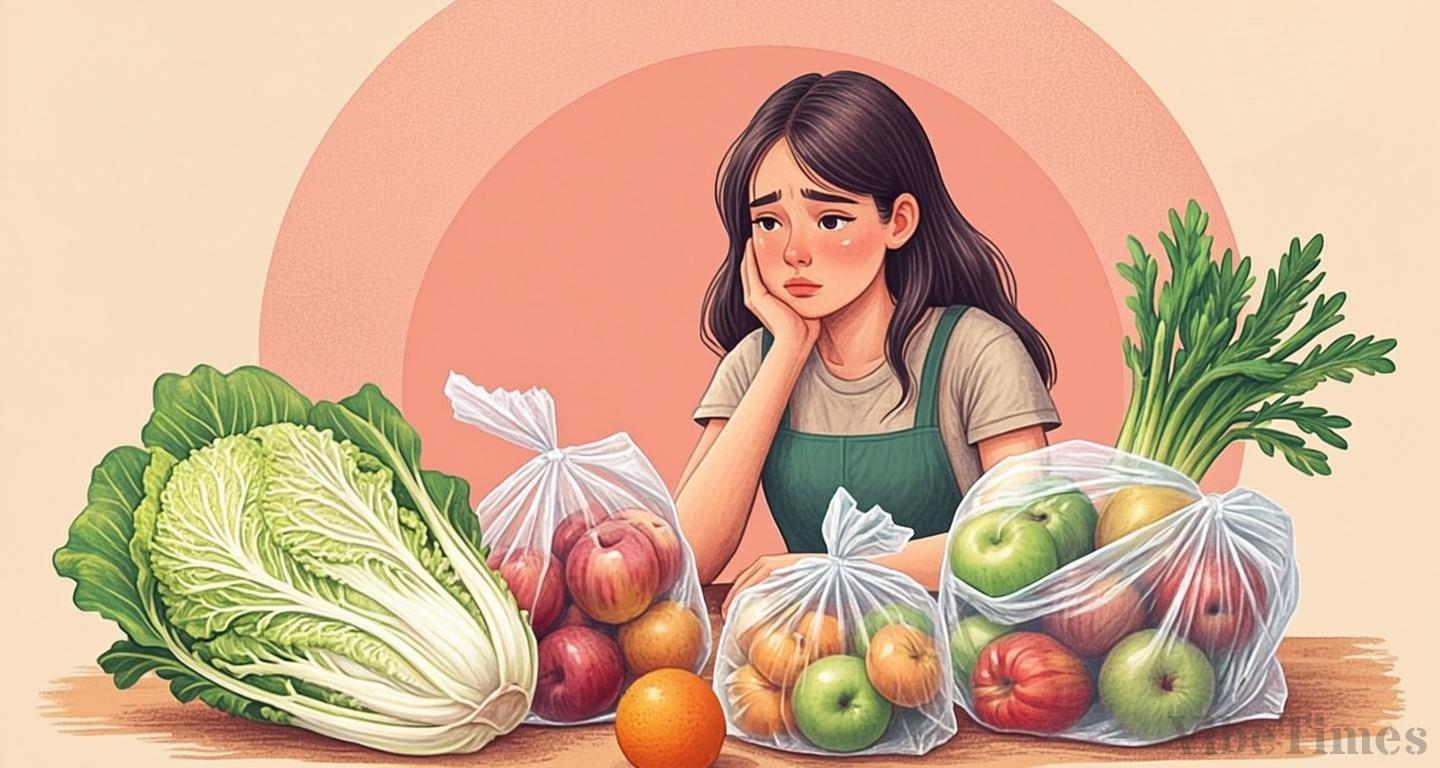
The biggest culprits behind wasted food spending for people new to living alone are bulk purchases and delivery apps.
According to Statistics Korea's household spending survey, single-person households spend an average of around 300,000 won per month on food and non-alcoholic beverages. But once delivery and dining out are added, actual food costs balloon to 400,000–600,000 won per month. Notably, those in their first one to two years of living alone, lacking cooking and grocery shopping experience, tend to spend 20–30% more on food than those with three or more years of experience. The core of the problem in the beginner phase is a structure where bulk items bought because "they seemed cheap" rot in the fridge, and a single delivery order costs as much as five to eight home-cooked meals. Here's a look at the causes of this waste and practical solutions.
400,000–600,000 Won a Month: How Food Costs Inflate
Four Reasons Beginners Spend More
Excessive food spending among living-alone beginners is not coincidence but a structural outcome. Poor cooking skills lead to reliance on delivery and eating out, while lack of grocery experience results in repeated unplanned purchases. On top of that, failure to track fridge inventory means ingredients get thrown away, and the common belief that "bulk buying always saves money" actually turns into waste for single-person households.
Food waste is an especially big issue. Leafy vegetables go limp within three to five days, so when a single-person household buys them in bulk, consumption can't keep pace with their shelf life. No matter how cheap the unit price, the more you throw away, the higher your real spending becomes.
The Biggest Pitfall: Bulk Buying and Delivery Dependence
Why Bulk Buying Can Actually Cost You
Bulk buying only makes sense for a limited range of items: rice, frozen foods, canned goods, and shelf-stable products like salt and soy sauce. For vegetables and meat, buying single-serving portions or frozen products reliably reduces waste. A practical rule of thumb: "buy only three days' worth." Keep fresh food refrigerated for three days only, and portion and freeze the rest immediately upon arrival. Minced garlic and scallions can also be frozen, and leafy greens wrapped in paper towels can be diverted to stir-fries just before they go bad, cutting down on what gets tossed.
Five Delivery Orders a Week Equals 400,000 Won a Month
The average delivery order runs 15,000–20,000 won, and with fees and delivery charges added, it's more expensive than eating out. Order just five times a week and you'll burn through 300,000–400,000 won a month. The solution is clear: designate "delivery days" like Fridays and Saturdays, limit yourself to one or two orders a week, and replace the rest with convenience store lunchboxes (4,000–6,000 won) or meal kits (5,000–8,000 won per serving). Simply choosing budget meal kits over premium ones can cut the price difference by half. Reducing delivery to twice a week can save an estimated 600,000–1,000,000 won a year.
Small Expenses Add Up Too
Spending 5,000 won a day at the convenience store on gimbap and coffee adds up to 150,000 won a month. Breakfast at home with eggs and toast costs under 1,000 won per meal, and whole-bean or drip-bag coffee costs under 500 won a cup, replacing convenience store coffee (around 1,500 won a cup). Sauces are the same story. Instead of buying pasta sauce and various seasonings only to use a third and toss the rest, five basics—soy sauce, olive oil, oyster sauce, chili powder, and salt and pepper—can cover most home cooking.
Execution Strategy: Routines and Cutting One Thing at a Time
Weekly planned grocery shopping is the foundation
Decide the week's menu in advance and shop with only a list, and unplanned purchases and 1+1 deal temptations disappear. As a rule, accept 1+1 deals only for shelf-stable items like frozen foods and drinks. Taking a photo of your fridge right before shopping prevents duplicate purchases. It's also efficient to divide grocery channels by purpose: big-box stores for weekly bulk purchases, traditional markets for vegetables and fruits that need portioning, and online groceries when you're short on time. For budgeting, a monthly allocation based on 350,000 won—200,000 won for groceries, 100,000 won for dining out and delivery, 50,000 won for cafes and snacks—makes management easier.
Don't Try to Cut All Spending at Once
The common trait of beginners who fail at saving is greed. A sustainable approach is to review a month of payment history with a budgeting app like Banksalad or Toss and cut just one category first—whichever is largest among delivery, dining out, and groceries. The easiest category to cut differs from person to person, so rather than copying someone else's savings method, the right approach is to find answers in your own spending data. Also avoid the mistake of overinvesting in health or diet meal plans only to give up after three days. Start with "10-minute recipes" from free YouTube tutorials, and a rice cooker, microwave, and air fryer are all the equipment you need.
Summary: Three Principles of Food Savings for Single-Person Households
The Principles at a Glance
First, use portioning, freezing, and meal kits instead of bulk buying. Second, set designated delivery days and limit orders to once or twice a week. Third, minimize waste through weekly planned grocery shopping and fridge inventory management. Following just these three rules can recover much of the 20–30% excess food spending typical of the beginner phase. Nutritionists commonly recommend six staple foods for solo living—eggs, tofu, chicken breast, frozen vegetables, rice, and canned goods—as base ingredients that deliver both savings and nutrition.
A Note on Using This Information
The prices and statistics in this article are based on general information through early 2025, and the figures are for reference only. When planning your savings, it's best to check the latest price trends alongside your actual payment history. And don't forget to draw the line so that excessive frugality doesn't lead to nutritional deficiencies or dining-out stress.