Hyundai Motor Group Rebrands Itself as a Robot, Hydrogen, and Aviation Powerhouse

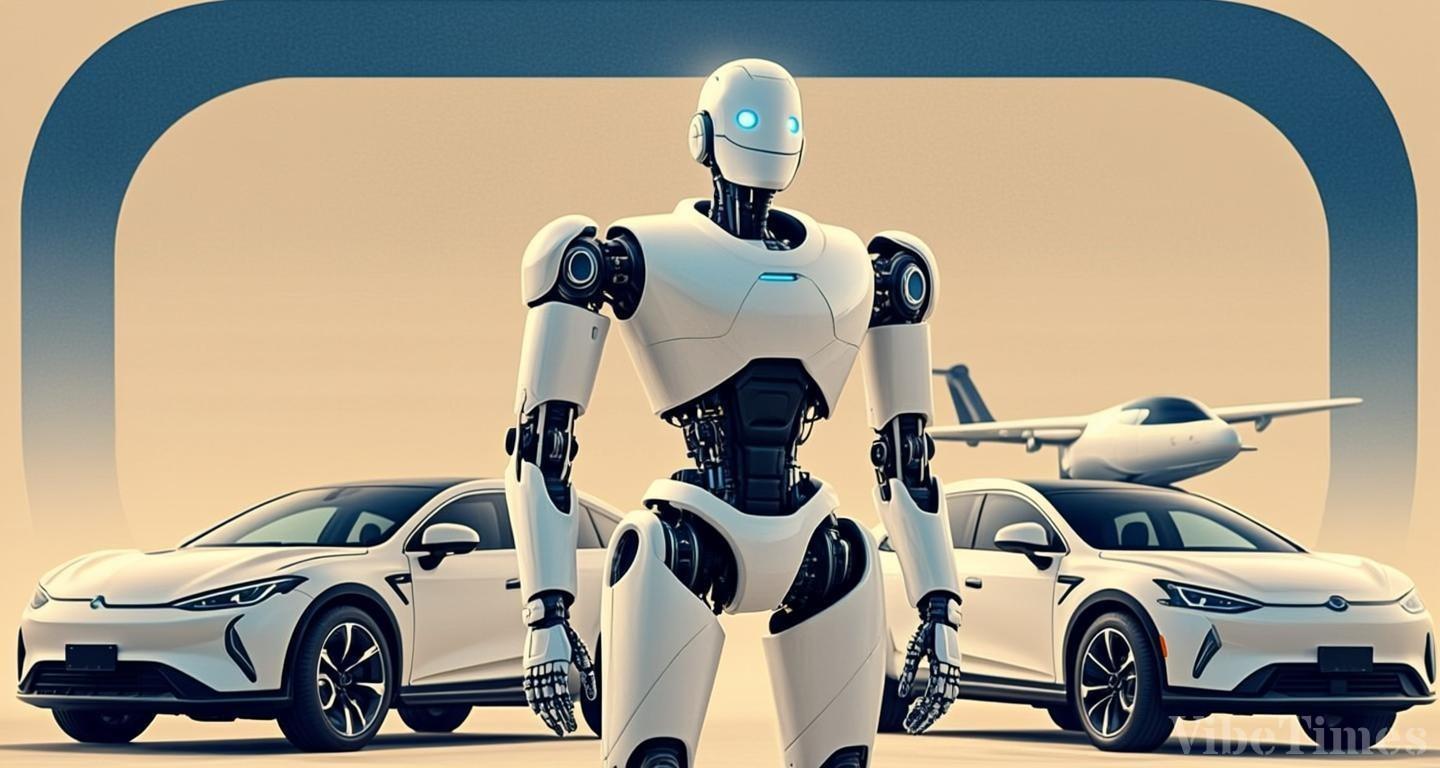
Hyundai Motor Group is changing its nameplate. By expanding investment across three pillars—robots, hydrogen, and aviation—it is transforming into a 'mobility solutions company.' Mobility solutions refer to technologies and services related to the movement of people and goods as a whole. After solidifying its position as the world's third-largest player through its electric vehicle business, the group has embarked on a second transition, moving the center of its business beyond the automobile.
The fastest-moving pillar is robotics. Plans for mass-producing the humanoid robot Atlas are taking concrete shape. Atlas is slated to begin production at a dedicated U.S. factory in 2028, reaching an annual production capacity of 30,000 units by 2030. The mass-produced units will be deployed starting in 2030 at Hyundai Motor Group Metaplant America (HMGMA) in Georgia, initially handling parts sorting tasks. The group's vision is to validate the robots at its own factories before expanding into external sales, thereby taking the lead in 'physical AI'—artificial intelligence that works directly in the real world.
The second pillar, hydrogen, is shifting its focus from 'burning hydrogen' to 'making hydrogen.' Fronted by HTWO, its hydrogen fuel cell brand and business platform, the group will directly manage the entire value chain from production to storage, transport, refueling, and utilization. The central hub is 'HTWO Energy Cheongju' in Cheongju, North Chungcheong Province. It is the group's first resource-circulating hydrogen production facility, producing about 500 kilograms of hydrogen per day using wastewater treatment byproducts as feedstock, with plans to increase output to two tons per day by 2030. The move marks an expansion from being a consumer of hydrogen—with models like the NEXO and the XCIENT hydrogen electric truck—to becoming a supplier.
Hydrogen is also being introduced into production processes. Starting with the paint ovens at Hyundai's Ulsan plant, the group will replace roughly 5,000 LNG burners across its domestic facilities with hydrogen burners, then extend this approach to its North American and European operations. In Guangzhou, China, it has launched 'HTWO Guangzhou,' its first overseas hydrogen fuel cell production base.
This 'second pivot'—concentrating the cash accumulated from vehicle sales into future technologies in robotics, hydrogen, and aviation—carries the meaning of shifting the center of the group's business beyond the automobile, following the 'first pivot' that propelled it to third place globally through electrification. The forward outposts of each pillar—Boston Dynamics for robots, HTWO for hydrogen, and Supernal for aviation—are now fully operational.
