Nvidia Says It Won't Sell Chips to Customers Renting to Chinese Firms

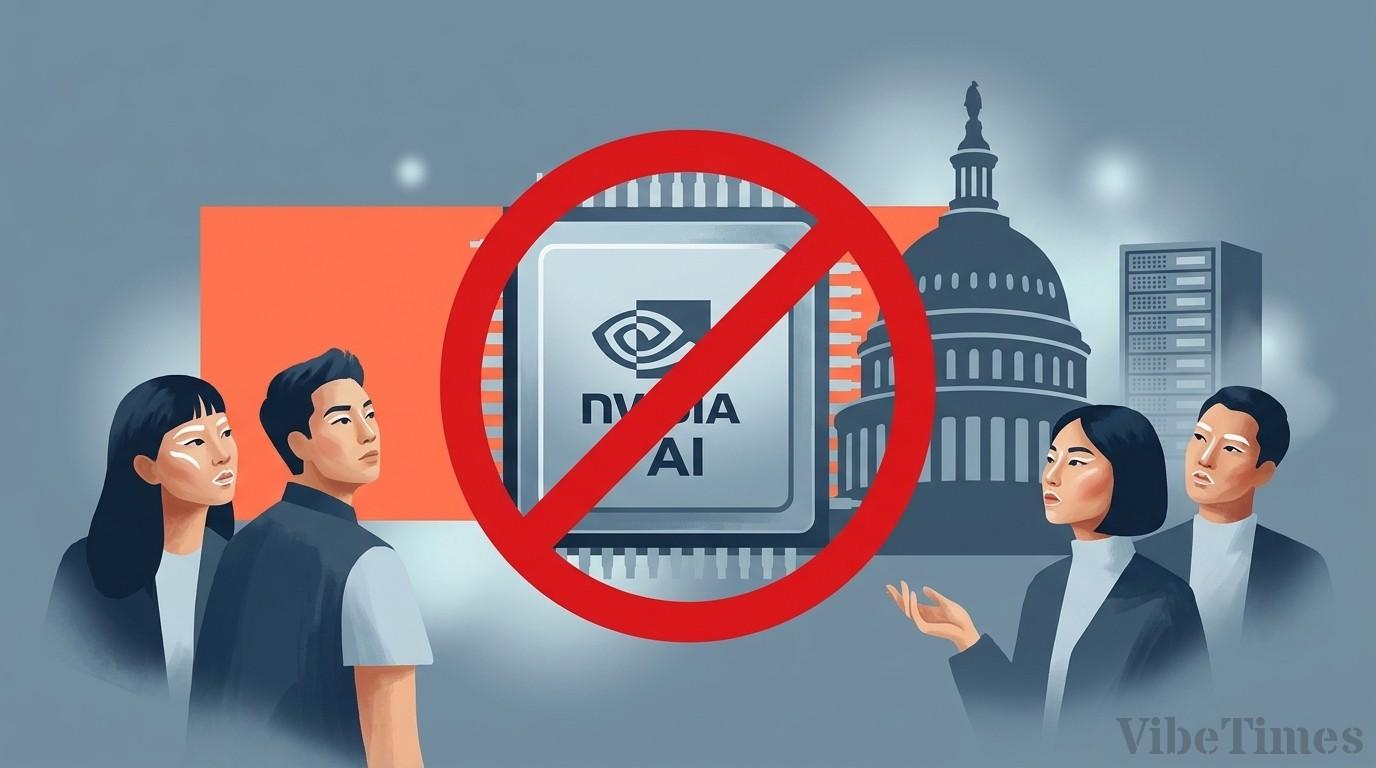
Nvidia has warned its Chinese customers that "if the United States enacts a bill blocking remote access to AI chips, both the company and its customers could become subject to legal action by the U.S. government."
According to a CNBC report on Monday (local time) and unnamed sources, the Remote Access Security Act (RASA) is a bill designed to prevent China from renting access to advanced AI chips through the cloud after Washington banned their export to China. The bill passed the House in January with 369 votes in favor and 22 against, and now awaits a Senate vote.
Over the past several months, Nvidia has sent messages to chip-buying customers urging them to be mindful of RASA, and has also told them it will not sell chips, for the time being, to customers that lease more than 50% of its graphics processing units (GPUs) to Chinese companies. Earlier this month, the Financial Times reported that Nvidia had verbally instructed data center customers that at least 51% of their services in future contracts must be offered to customers outside China. Nvidia's interim CEO, Colette Kress, also said on an earnings call that the company is no longer supplying AI chips to China.
The Trump administration has sought to prevent China from acquiring Nvidia's high-performance chips in order to maintain America's edge in the AI race. Separately from Congress's push for RASA, the Commerce Department's Bureau of Industry and Security (BIS) on Tuesday announced an 'interim final rule' controlling remote Chinese access to advanced AI semiconductors. Under the rule, data centers worldwide must obtain prior authorization (a license) before providing large-scale computing power from advanced chips to companies headquartered in China, Macau, or countries under U.S. arms embargoes.
U.S. Treasury Secretary Scott Bessent also urged Nvidia to undergo a "sweeping overhaul" in a Fox News interview on Wednesday. "I keep wondering whether Nvidia pressured sales that appear to have been illegal in order to inflate its revenue and profits," he said.
