President Lee Jae-myung approves appointment of Police Commissioner Kim Jong-chul

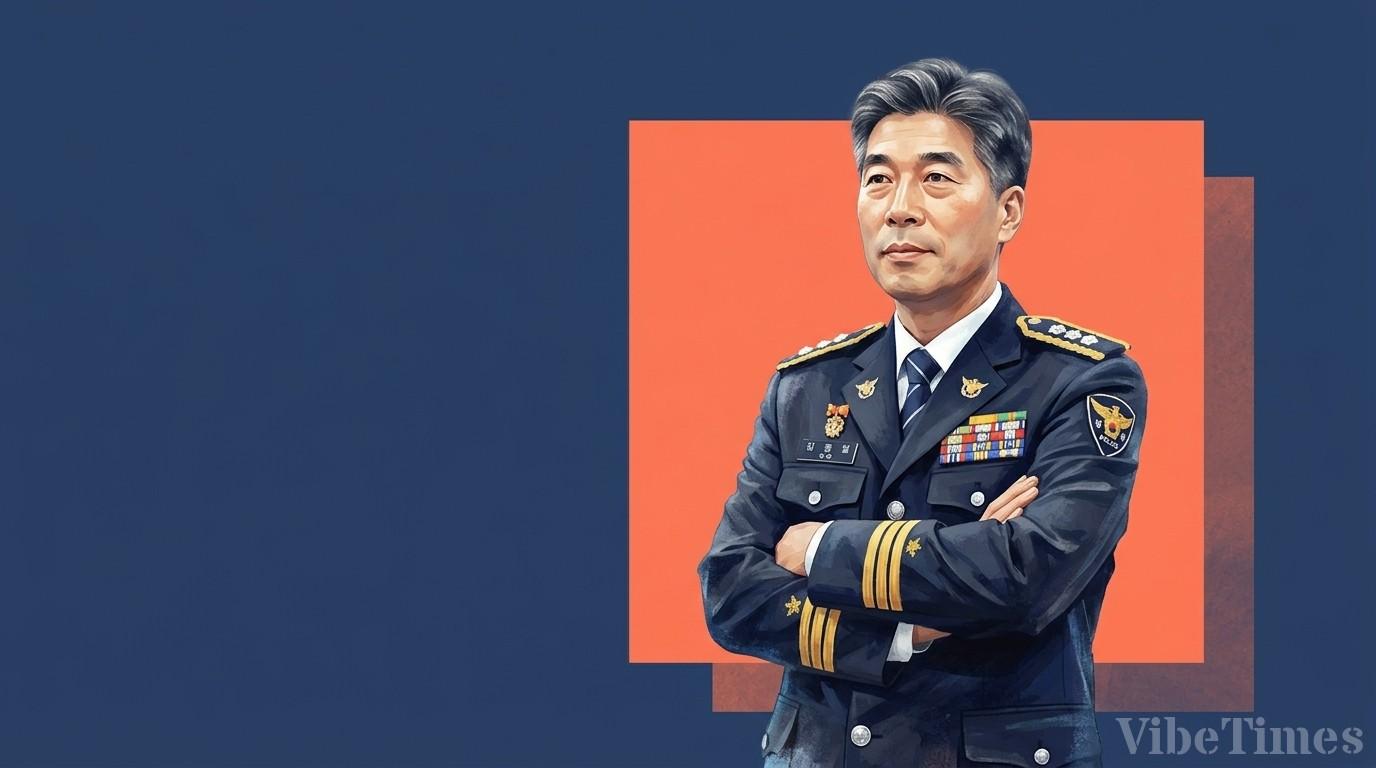
President Lee Jae-myung has personally approved the appointment of Kim Jong-chul as National Police Agency commissioner. The measure, announced by the presidential office on the 22nd, puts an end to the controversy over the leadership vacuum at the police agency and marks a fresh start for the government's security personnel system.
Background and Process of the Police Leadership Change
Before his appointment was confirmed, Kim had been serving as acting police chief. During his time in that role, he was reported to have shaken hands individually with graduates at a police academy commencement ceremony, demonstrating field-oriented leadership. With the approval of his appointment, he has now become the de facto head of the country's institutional police organization. This is not merely a change of position, but is interpreted as an administrative decision aimed at simultaneously securing stable operations of the police organization and a clear chain of accountability.
Appointments of the police chief typically follow a procedure in which the president gives final approval after a recommendation from the National Police Commission. With this approval marking the final step of that process, the government has quickly resolved concerns that a prolonged personnel vacancy could weaken its capacity to respond to security threats.
The Political Significance of Simultaneous Education and Prosecution Personnel Moves
The personnel changes during this period were not limited to the police. President Lee also accepted the resignation of Education Minister Choi Kyo-jin, and the presidential office said it would proceed with the next appointment in accordance with procedure. The resignation came against the backdrop of a scandal involving cheating aided by artificial intelligence (AI) during the college entrance exam, and criticism from a test-takers' coalition denouncing the "collapse of the national exam system." The coalition had repeatedly called for Choi's resignation, holding him responsible for the chaos at exam sites.
The president himself also devoted full effort to the response, revising the reward for reporting exam cheating to a minimum of 100 million won per case. He issued directives for a sweeping overhaul of the national examination system and laid out plans to establish legal grounds for preventing the photographing and leaking of test papers during exams. The replacement of the education minister appears closely tied to this series of remedial measures. The government is seeking to restore public trust by pairing accountability-based personnel changes with institutional reform.
Remaining Challenges for the Security and Investigation Systems
The police under Kim Jong-chul face no shortage of challenges. Discussions over reallocating investigative powers, following those involving the National Intelligence Service and prosecutors, safeguarding the political neutrality of the police, and boosting morale within the organization all remain on the agenda. In particular, how the new chief leads the organization will be key amid a landscape of sharp confrontations between the ruling and opposition parties over appointments to judicial and investigative bodies.
The opposition is inclined to question the government's personnel trajectory as a whole. The People Power Party has escalated its criticism of the simultaneous push to impeach the Supreme Court chief justice and appoint a special prosecutor over allegedly fabricated indictments, warning that people's livelihoods could be sidelined. The fact that the police must exercise investigative authority in the midst of this political tension could prove a burden going forward.
Nevertheless, with the approval of the police chief, the police command structure has been put on a stable footing. If Commissioner Kim can build trust inside and outside the organization while maintaining his reputation for field-focused communication, the government's security management capabilities will be judged accordingly. With the president's personal legal issues, such as his rebuttals of allegations related to the Daejang-dong development scandal, still lingering as a variable in national politics, balanced leadership by the head of the investigative apparatus is now more important than ever.
