Amid criticism of president's frequent trips abroad, Cheong Wa Dae fires back with a whirlwind diplomatic defense

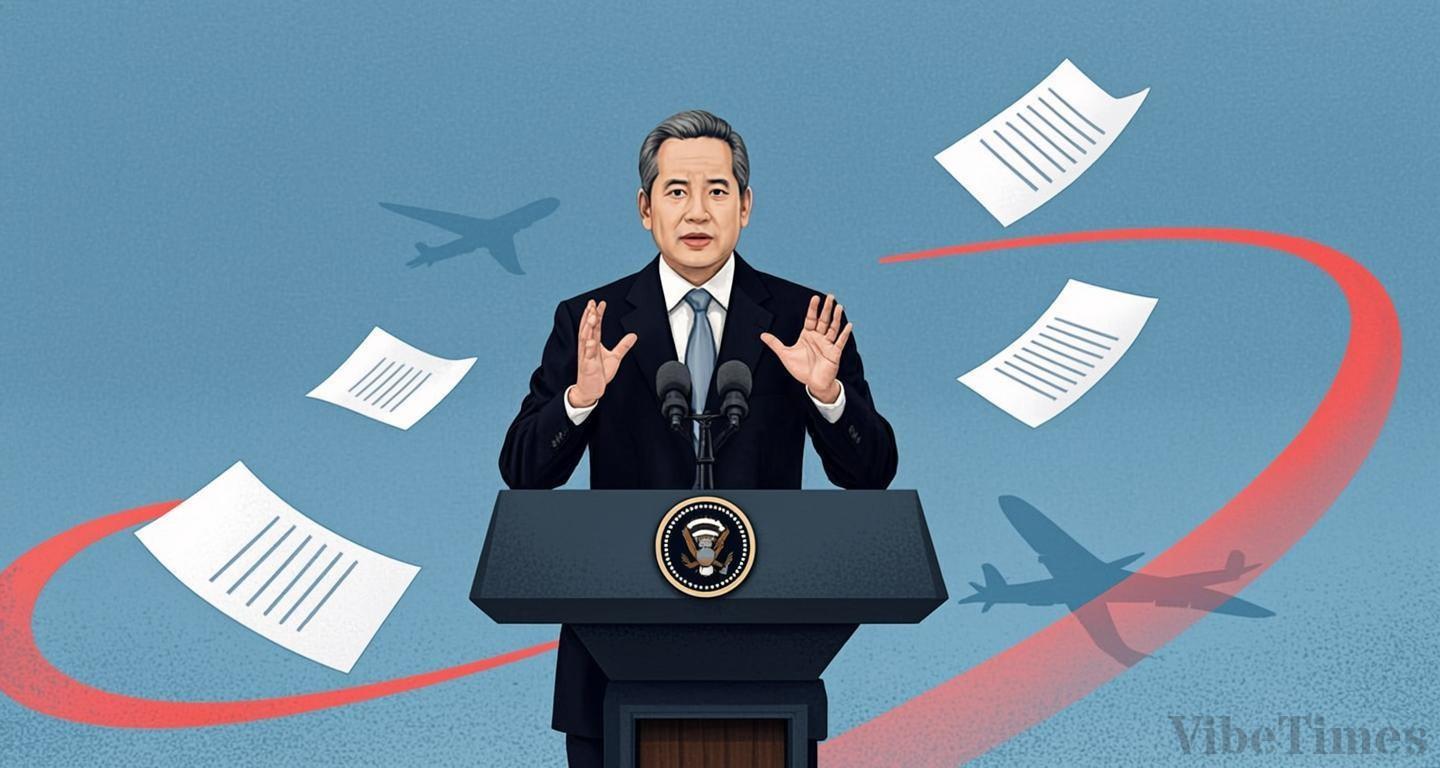
After the opposition party criticized President Lee Jae-myung's frequent overseas trips, calling him a "president who only stays abroad," Cheong Wa Dae came out to push back directly. Sung Kee-hong, Cheong Wa Dae's senior secretary for public relations and communications, posted a message on X on the 22nd titled "Pragmatic diplomacy for national interests that shone at APEC — and charm diplomacy." Responding to People Power Party lawmaker Kim Seung-su's point at a National Assembly audit on the 29th of last month that the president had made 14 trips to 23 countries since taking office, spending one out of every six days overseas, Sung dismissed the criticism by citing Canadian Prime Minister Mark Carney, who has visited 32 countries across five continents and spent 113 days abroad since taking office in March last year.
Citing a University of Denver report, Sung noted that the average annual number of overseas visits by world leaders, which stood at 1,508 in the 1990s, rose roughly 80% to 2,734 per year after 2010. He analyzed that this was because, as the international order has become multipolar since the end of the Cold War's bipolar system, the tasks leaders must tackle directly — trade and investment, supply chains, security, and advanced technology cooperation — have steadily multiplied.
Sung also explained the trajectory of the president's diplomacy stage by stage. In the early days of his presidency, the emphasis was on restoring the nation's standing, which had been damaged by the insurrection, and conveying to the international community the message that "democratic Korea is back"; now, he said, the focus is on translating restored diplomatic ties into concrete national interests and results that citizens can feel. He said, "We are moving beyond the restoration of diplomacy to diplomatic achievements, and beyond the normalization of relations to maximizing national interests."
He pointed to the recently concluded Asia-Pacific Economic Cooperation (APEC) summit as evidence. Sung emphasized that although a historic first trilateral summit among the US, China, and Russia raised concerns about Korea being sidelined — the so-called "Korea passing" — the president had met sequentially with the leaders of the US, China, and Russia ahead of the trilateral meeting. He said the media also assessed this as a diplomatic effort to directly explain the government's position on Korean Peninsula issues.
Economic achievements were also cited. The follow-up negotiations on services and investment under the Korea-China Free Trade Agreement, which had dragged on for 8 years and 8 months, have been substantially concluded, opening the way for expanded mutual market access for companies of both countries and new opportunities for economic cooperation.
Sung said the president and first lady played a leading role in soft power, winning the goodwill and trust of foreign publics, demonstrating that summit diplomacy is both a negotiating table and a stage for public diplomacy. He added, "When the ruling and opposition parties work together to expand national interests, Korea's diplomatic power will grow even stronger."