The Egg Model Has Reached Stages 5–6: Risk Management Is the Answer for the Stock Market Now

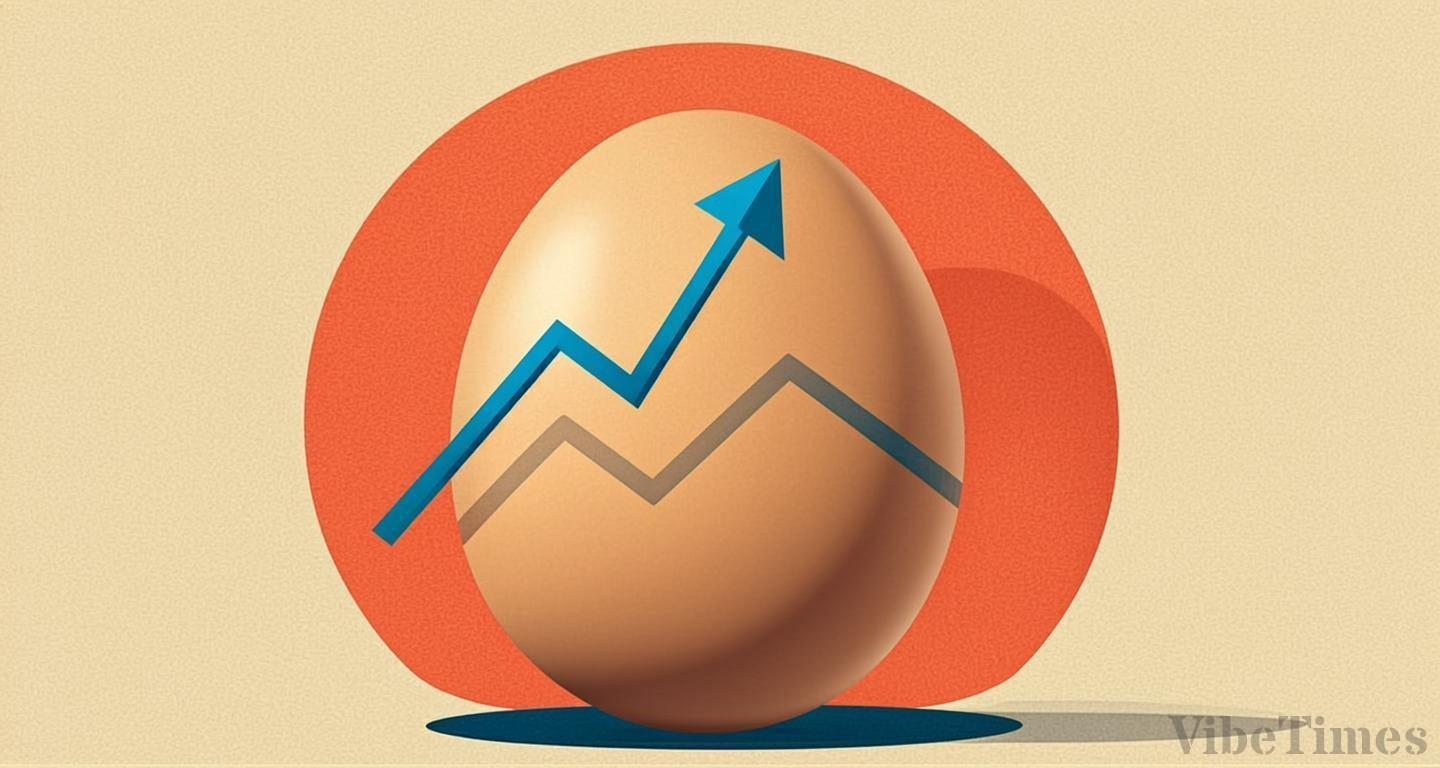
An expert has diagnosed that the stock market has entered a transitional phase of stages 5–6 under the 'egg model.' Shin Yoon-ah, director of the Gangnam Financial Center at Woori Investment & Securities, advised that this is a time when risk management matters more than aggressive buying. The egg model is a theory created by Hungarian-born investor Andre Kostolany, which explains the flow of money through six stages: from stock prices to interest rates, liquidity (the amount of money circulating in the market), corporate earnings, the economy, and public sentiment.
The key evidence for judging a stage 5–6 transition is interest rates. Market interest rates in advanced economies such as the United States have risen, and South Korea, too, faces mounting upward pressure on rates. In terms of interest rates alone, the stock market appears to face a heavy burden, making it an unsuitable time for investing.
Other indicators tell a different story. Broad money (M2), which reflects market liquidity, is still growing, while the economy and corporate profits remain relatively solid. Noting the increase in corporate earnings, Director Shin pointed out that it is difficult to conclude that the market is extremely overvalued on price alone. While interest rates point to stages 5–6, liquidity and corporate earnings provide grounds for the bull market to continue.
The 'KOSPI 10,000 era' forecast by global investment banks also hinges on whether corporate earnings can back it up. If earnings forecasts—centered on semiconductors—continue to rise, an index rally would not necessarily mean overheating. If both corporate earnings and stock prices rise 40% each, the price-to-earnings ratio (PER) may show little change. Conversely, if stock prices rise rapidly without earnings growth, it could mean market optimism is running ahead of companies' actual value.
Investment strategy also changes depending on the stage. Director Shin suggested that in stage 5, it is best to maintain a certain level of investment exposure through staggered buying while keeping more cash on hand. This is because if the effects of rising interest rates accumulate, slowing earnings, growing fear, and a sharp stock market decline, the set-aside cash can be deployed to expand investment capacity.
In stage 6, pessimistic news dominates the market, but the greater the fear, the greater the opportunity. When the economy slows and central banks begin cutting rates, the direction of liquidity also shifts. This means that the stock market may react ahead of the news, even while headlines and corporate results remain poor. Ultimately, in stages 1–2—when rates have peaked and turned downward—investors can consider a strategy of actively increasing their equity exposure. Director Shin emphasized that rather than timing exactly when the KOSPI will reach 10,000 points, what matters most is accurately understanding where the market stands within the larger cycle.
