Entering His Third Year in Office, Lee Jae-myung Faces His Moment to Take a Bold Gamble

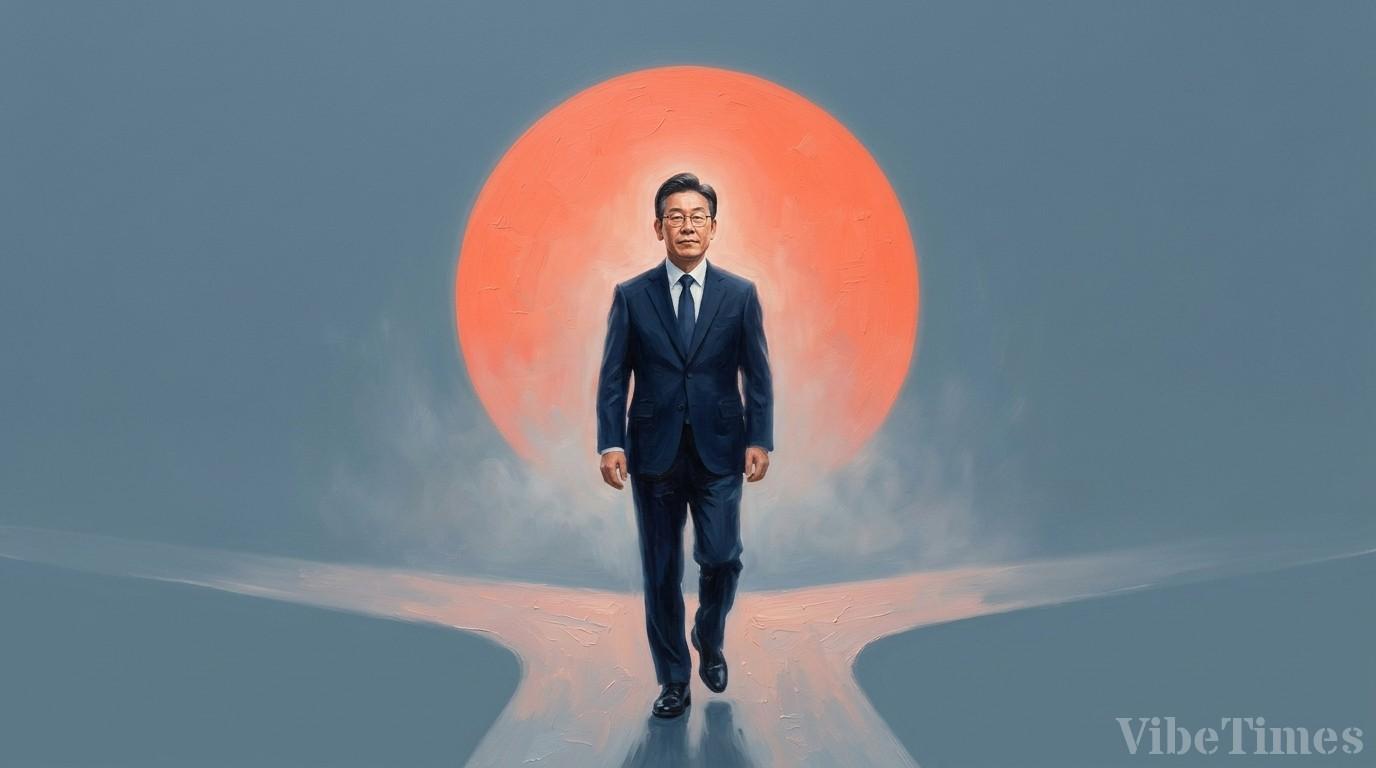
An analysis has emerged that President Lee Jae-myung, who will enter his third year in office next year, should treat that year as a strategic turning point and stake his presidency on political restoration and constitutional revision. Lee Seung-won, a longtime figure in the Democratic Party, argued in his doctoral dissertation last December, titled "Constraints and Opportunities of the Political Environment on Presidential Approval Ratings," that the third year in office is a strategic turning point at which a president can still wield institutional power and formally put core policy agendas on the table.
According to the dissertation, the success or failure of issues raised in the third year hinged on how political persuasion worked, and on which fronts. Failing to persuade the opposition led to deepening conflict and declining approval, while failing to maintain unity within the ruling party sharply eroded policy momentum.
Past presidents have in fact made game-changing moves in their third year in office. President Kim Young-sam enacted the May 18 Special Act to convict Chun Doo-hwan and Roh Tae-woo. President Kim Dae-jung pursued the inter-Korean summit and won the Nobel Peace Prize. President Roh Moo-hyun proposed a grand coalition, and President Park Geun-hye pushed to bring history textbooks under state control. President Moon Jae-in launched his prosecution reform drive by appointing Cho Kuk, then senior presidential secretary for civil affairs, as justice minister.
President Lee set out a direction in June of this year to stake his presidency on megaprojects such as semiconductors and physical AI. In his dissertation, Lee Seung-won noted that the choices through which the president has set the tone of state affairs since taking office will determine how his presidency is ultimately judged, depending on what results they yield during this third-year phase.