Special Counsel Urges Supreme Court as Trial of Former Deputy PM Choi Stalls for 8 Months

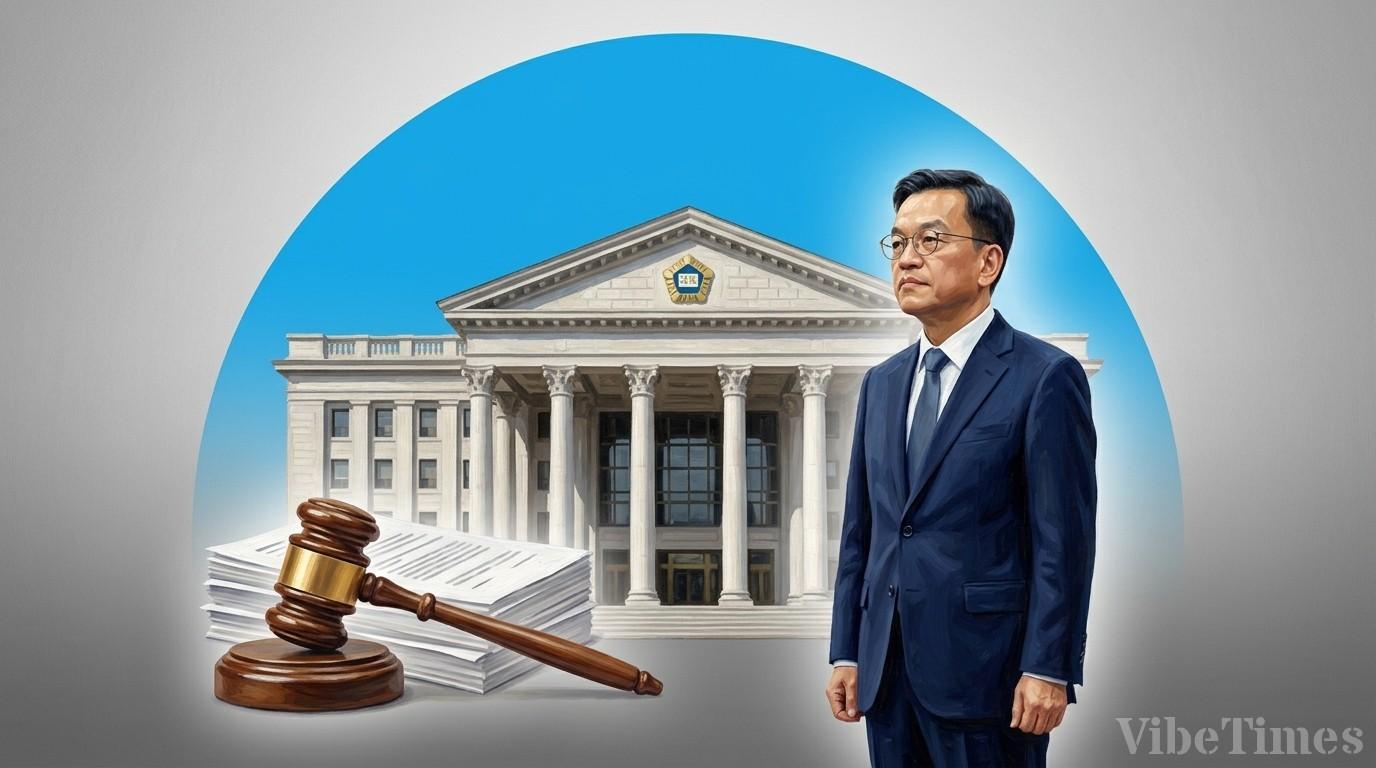
The first trial of former Deputy Prime Minister Choi Sang-mok has been suspended for roughly eight months due to a single judicial recusal motion.
According to a Yonhap News report on the 8th, the special counsel team led by internal insurrection special prosecutor Jo Eun-seok urged the Supreme Court to swiftly issue a ruling on the recusal motion in the case of former Deputy PM Choi, which has been pending before the court for more than four months. In a statement released that day, the special counsel team said, "The delay in the proceedings caused by the recusal motion raises concerns that the discovery of truth will be hampered." It is an unusual move for a special counsel to publicly raise the issue of trial delays and press the Supreme Court for a decision.
Why the Trial Stalled
The crux of the matter is procedural. The merits of the case cannot proceed until it is determined whether the recusal motion filed by the former deputy prime minister's side against the presiding judge will be accepted. A recusal motion is a procedure requesting that a judge be removed when circumstances suggest the judge may not conduct a fair trial. With the motion transferred to the Supreme Court and no ruling issued, the trial itself has been left in limbo.
Following the recusal motion, the court separated the proceedings for the former deputy prime minister from those of the other defendants. As a result, the proceedings against Choi have been suspended for about eight months. The special counsel team pointed out that the case has been pending before the Supreme Court for more than four months, longer than the court's average processing time for ordinary cases. Critics say a procedural right is effectively translating into a delay in the trial.
The Special Counsel's Position and the Case's Contours
What the special counsel team worries about is time. If the first trial of one of the key defendants in the December 3 martial law crisis remains stalled for an extended period, the overall pace of the proceedings and the timeline for establishing the truth will inevitably be pushed back. The special counsel, emphasizing that the delay would "hamper the discovery of truth," has asked the Supreme Court for a prompt ruling.
The trials of the co-defendants are on a different track. Former Prime Minister Han Duck-soo and the other defendants are set to receive first-trial verdicts on the 26th. The months-long gap in sentencing between co-defendants in the same case ultimately stems from a single recusal motion. Analysts note that the longer the gap within the same case grows, the greater the controversy over fairness may become.
Debate Over Abuse of the Recusal System
The case also raises questions about the judicial recusal system itself. While recusal motions are a safeguard for defendants' right to a defense, the absence of a clear statutory deadline for rulings leaves room for them to be used as a means of delaying proceedings. In fact, in this case, a single recusal motion has led to Supreme Court review and an eight-month hiatus.
Legal experts suggest possible remedies such as setting deadlines for recusal decisions or strengthening the principle of priority review. However, there is also considerable pushback, with critics arguing that legislation restricting defendants' procedural rights requires a careful approach. Where to strike the balance between protecting the right to a defense and ensuring speedy trials is expected to become a key issue going forward.
Upcoming Schedule and Outlook
In the short term, the key is the Supreme Court's ruling on the recusal motion. With the special counsel having publicly pressed for a decision, attention is growing over when the ruling will come. If the motion is dismissed, the trial schedule for the former deputy prime minister's case is expected to resume, with proceedings moving in a direction that narrows the sentencing gap with the other defendants. If the motion is not dismissed, however, the bench would be reconstituted, raising the possibility of further delays.
The first-trial verdicts for former Prime Minister Han and others on the 26th will serve as the first yardstick for gauging the direction of the case as a whole. When the former deputy prime minister's trial gets back on track will also affect the schedule for the appeals stage and beyond. It remains to be seen whether the special counsel's call for a swift ruling will actually affect the Supreme Court's review speed, and whether legislative review of the recusal system will follow.