KOSDAQ to Split into Two Divisions, Dual Listing of Parent-Subsidiaries to Be Principally Banned

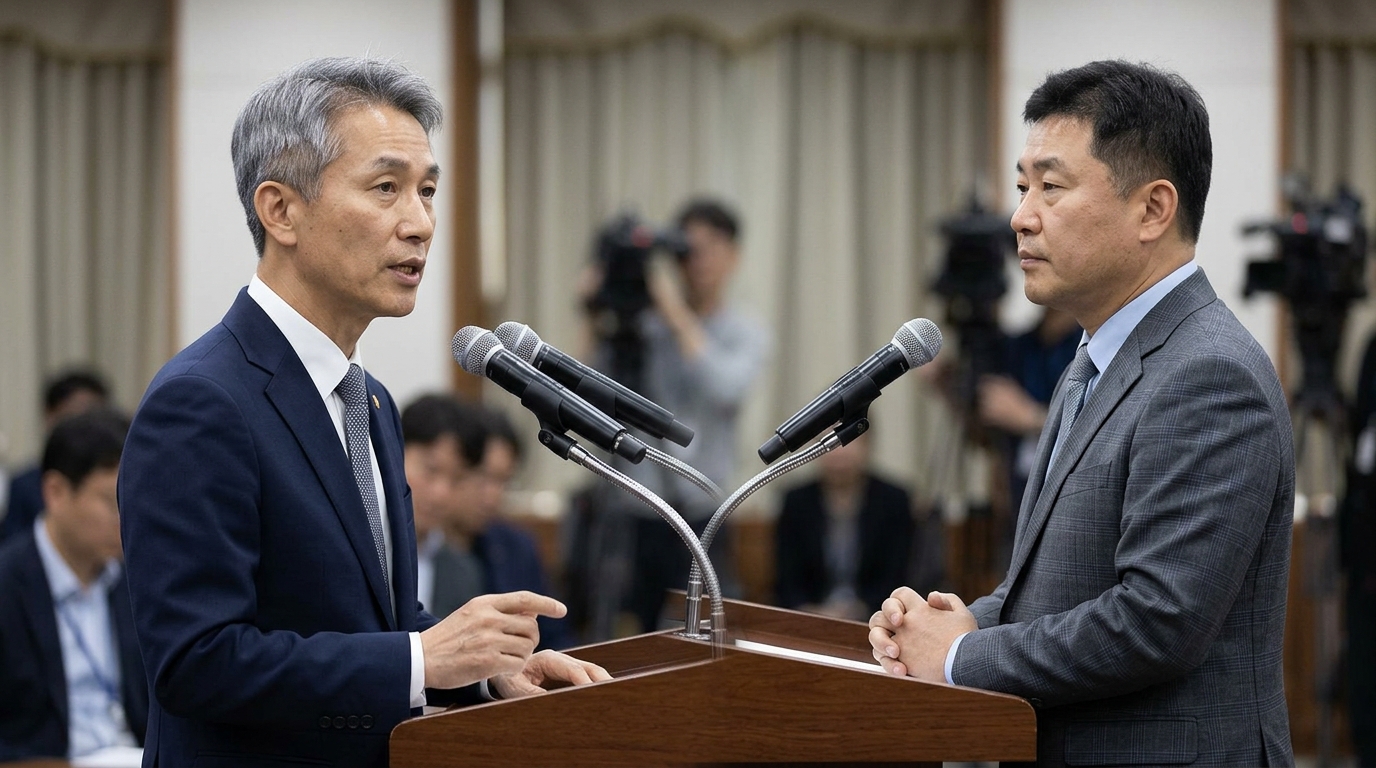
President Lee Jae-myung presided over the 'Capital Market Stabilization and Normalization Meeting' at Cheong Wa Dae on March 18, 2026, and announced a policy to operate the KOSDAQ market divided into 1st and 2nd divisions and to principally ban dual listing of parent and subsidiary companies.
At the meeting, Financial Services Commission Chairman Lee Eok-won reported on a plan to operate the KOSDAQ market by dividing it into a 1st Division (Premium), centered on high-quality innovative companies, and a 2nd Division (Standard), focused on scale-up companies. This measure is intended to clarify investment criteria by segmenting market functions according to a company's growth stage.
The Financial Services Commission decided to principally ban dual listing of parent and subsidiary companies and establish strict review standards. This policy aims to prevent the erosion of ordinary shareholders' rights caused by repeated dual listings of large corporate affiliates and to ensure fairness in the capital market.
Financial authorities also announced measures to encourage companies' voluntary stock price management, such as releasing a list of companies with low price-to-book ratios (PBR) and attaching a 'low-PBR' tag to their names.
Kim Dong-won, head of KB Securities' research center, analyzed that the dual-listed market capitalization exceeds 1,000 trillion won out of KOSPI's total market capitalization of 5,200 trillion won. In response, President Lee Jae-myung ordered a review of shortening the domestic stock settlement cycle from the current T+2 days to T+1 day.
To combat stock manipulation, an expansion of the joint response team and strengthened investigative powers for special judicial police are being pursued. Chairman Lee Eok-won stated that they will enhance investigative capabilities to track down stock manipulators to the end and respond sternly to acts that disrupt the capital market. Plans for operating and expanding a market stabilization program worth 100 trillion won plus alpha were reviewed to stabilize the market.