Disagreements Over US-Iran Ceasefire Terms Expected to Hamper Negotiations

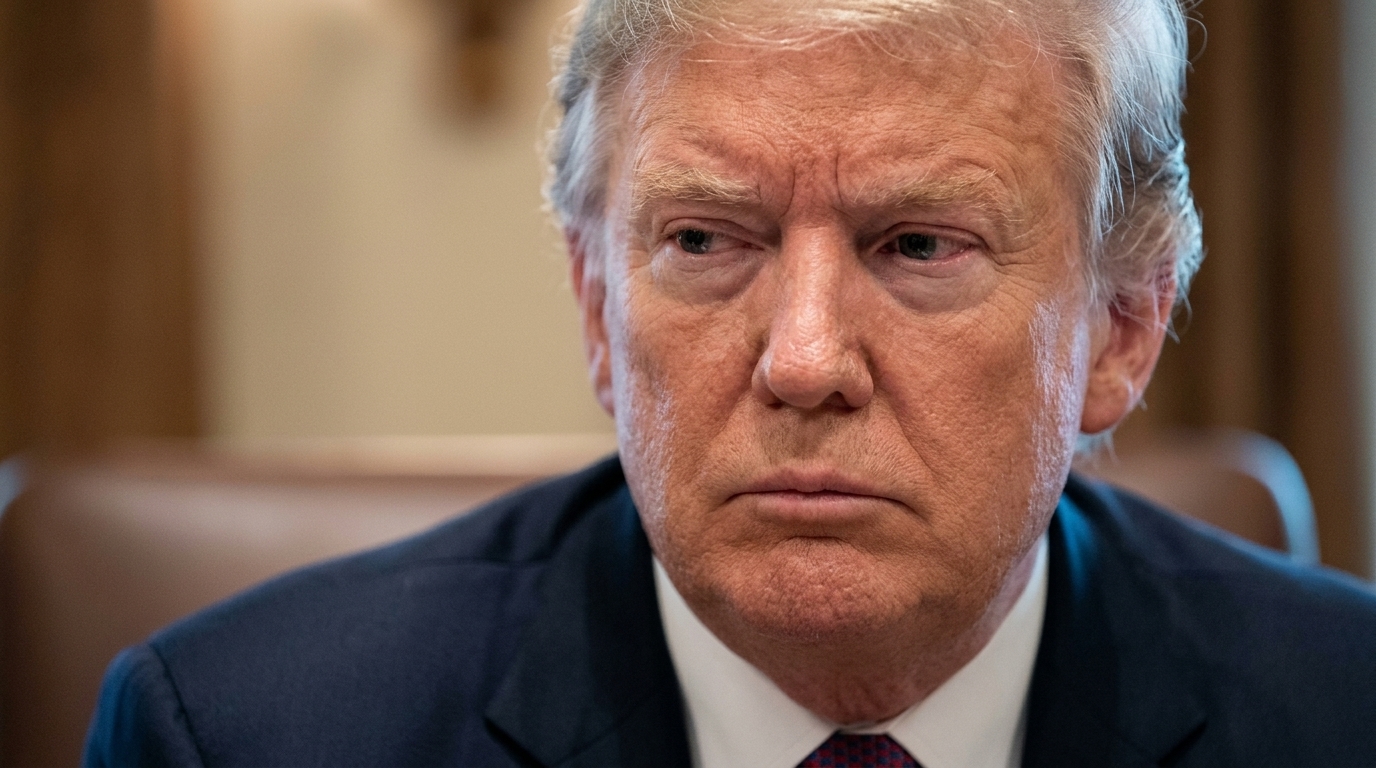
The US and Iran have agreed to a two-week ceasefire, but disagreements over its terms foreshadow difficulties ahead of the first meeting to be held in Pakistan. Both sides agreed to hold their first post-ceasefire meeting in mediator nation Pakistan, but differences in position emerged because the actors and locations of hostile acts were not clearly defined in Pakistan's mediation proposal stating 'cease all hostile acts that escalate regional tension.'
On the first day of the ceasefire, Israel carried out large-scale bombings in Lebanon. Iran defined this as a violation of the ceasefire agreement, but the US stated that during negotiations, it had secured a promise from Israel to refrain from strikes in Lebanon. Iran, defining Israel's bombing of Lebanon as a ceasefire violation, declared a halt to traffic in the Strait of Hormuz. The White House confirmed an increase in traffic through the Strait of Hormuz, and Iran announced alternative routes.
US President Donald Trump maintained military pressure on Iran, warning via social media of either maintaining US troop presence or initiating strong gunfire depending on the implementation of the ceasefire agreement. Iranian Parliament Speaker Gholamali Haddad-Adel stated that the ceasefire and negotiations are meaningless, raising concerns about the breakdown of the ceasefire talks with the US scheduled for the 11th in Pakistan.
The US reiterated its unwavering stance regarding Iran's possession of enriched uranium and hinted at possible military action if nuclear weapon materials are secured.