Fears of Further Chicken Price Hikes Amid AI and Supply Chain Disruptions

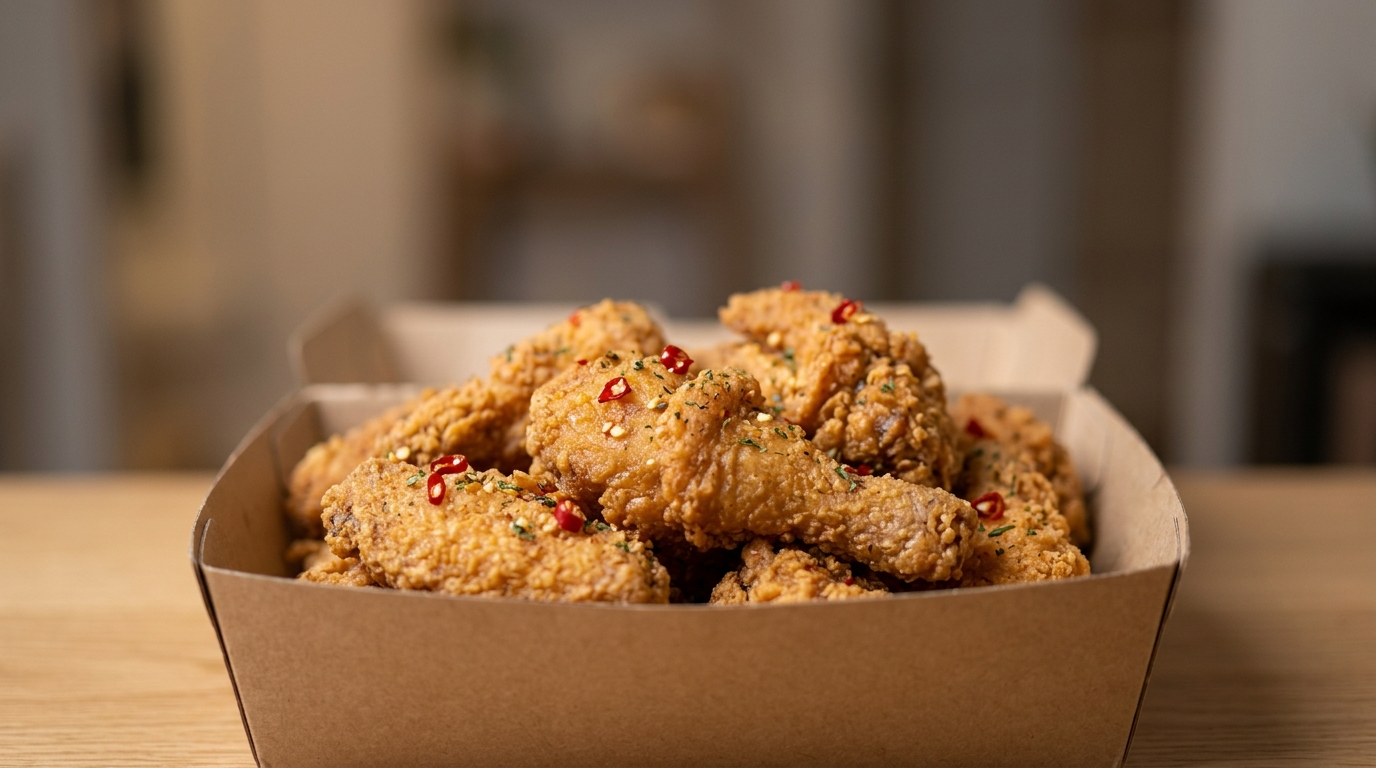
Concerns are growing that chicken prices may be further increased. This is because the cost burden on chicken restaurants has become very significant, due to the spread of avian influenza (AI) and difficulties in securing ingredients. Consequently, major franchises are increasingly adopting a 'dual pricing system' that applies different prices for delivery and in-store purchases.
Volatility in international oil prices and geopolitical instability in the Middle East are exacerbating supply chain disruptions for raw materials. The prolonged outbreak of highly pathogenic avian influenza (AI), which directly impacts chicken production, is also driving up poultry prices. These rising costs are pressuring the profitability of chicken franchise businesses, which are then passed on to franchisees or result in price increases.
Kyochon F&B, the operator of Kyochon Chicken, is considering raising the price of cooking oil supplied to its franchisees. To alleviate the burden on franchisees, Kyochon F&B plans to cover half of the price increase until the first half of this year. BHC Chicken increased the supply price of cooking oil to its franchisees by 20% late last year. This was BHC Chicken's first increase in cooking oil supply prices in three years and six months.
Considering the government's focus on price stability and consumers' price sensitivity, official price hikes at the franchise headquarters level are difficult. Therefore, major chicken brands are sequentially introducing a dual pricing system, differentiating between delivery and in-store prices. BHC Chicken, BBQ, and Kyochon Chicken are the three major players in the chicken industry adopting this dual pricing strategy. Puradak Chicken and Jadam Chicken have also implemented dual pricing.
In some areas of Seoul, Kyochon Chicken franchisees have raised the delivery price of their signature 'Honey Combo' from 25,000 won to 26,000 won. However, the in-store prices or takeout order prices at these same locations remain at 23,000 won. Franchise owners cited the burden of delivery fees, rising labor costs, and rent as necessitating the adoption of dual pricing.
Industry insiders believe that direct price increases across the board will be limited, given the government's push for price stability and the already high perceived delivery prices around 30,000 won through delivery apps. However, they analyze that if raw material prices and exchange rate volatility continue, autonomous price adjustments at the franchisee level or differentiated delivery pricing will inevitably increase. This is interpreted as a strategy to gradually pass on cost burdens through dual pricing, rather than raising prices directly under government pressure. If raw material cost pressures continue to mount, price hikes may ultimately become unavoidable.