Integrated Care Launched Nationwide, Operational Difficulties Emerge

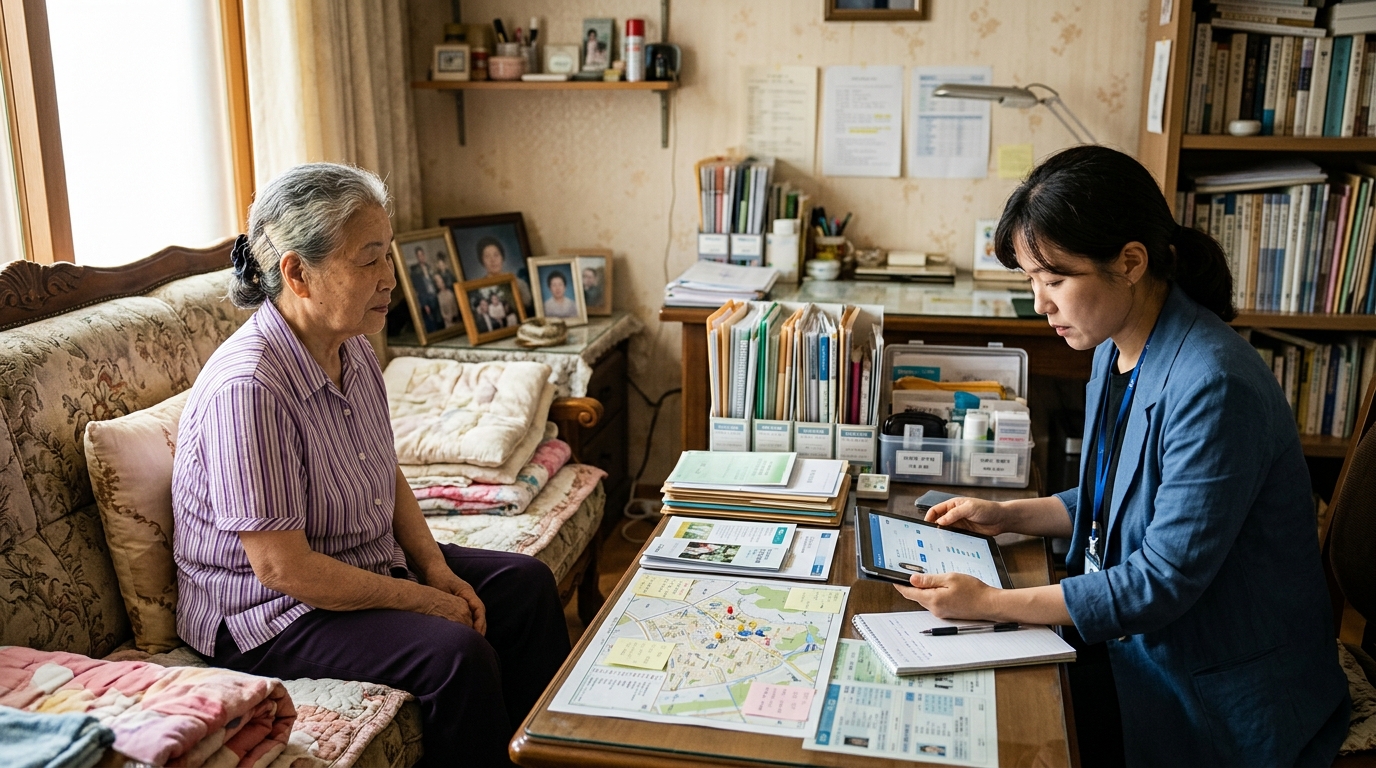
The 'Integrated Care' service, launched nationwide on March 27, is facing unexpected operational challenges on the ground, contrary to the expectation of receiving welfare services conveniently at home. Integrated Care is a system designed to help seniors aged 65 and over or individuals with disabilities receive around 30 types of services, including necessary health, medical, care, and housing support, all at once in their own homes, rather than in nursing facilities. The Community-based Integrated Care system connects and supports seniors and people with disabilities who require care with health, medical, nursing, and housing services in their existing residences, not in hospitals or facilities. It provides over 30 integrated services targeting individuals aged 65 and over and people with disabilities, and applications can be submitted through local administrative welfare centers (eup/myeon/dong) or National Health Insurance Service branches.
Customized services are linked following consultations and home visits. Integrated Care services, provided to those not eligible for long-term care insurance, are offered in the form of vouchers for approximately three months per person due to budget constraints. Eligibility for additional support is determined after a reassessment of the recipient's condition.
Local administrative welfare centers are undertaking Integrated Care duties using their existing staff without additional personnel recruitment, leading to work overload and service gaps. Although Integrated Care is evaluated as a key policy for responding to an ultra-aging society, discussions are ongoing regarding regional disparities and securing service continuity amidst a lack of budget, personnel, and infrastructure.