Children's Antibiotic Misuse: Long-Term Impact on Growth and Development

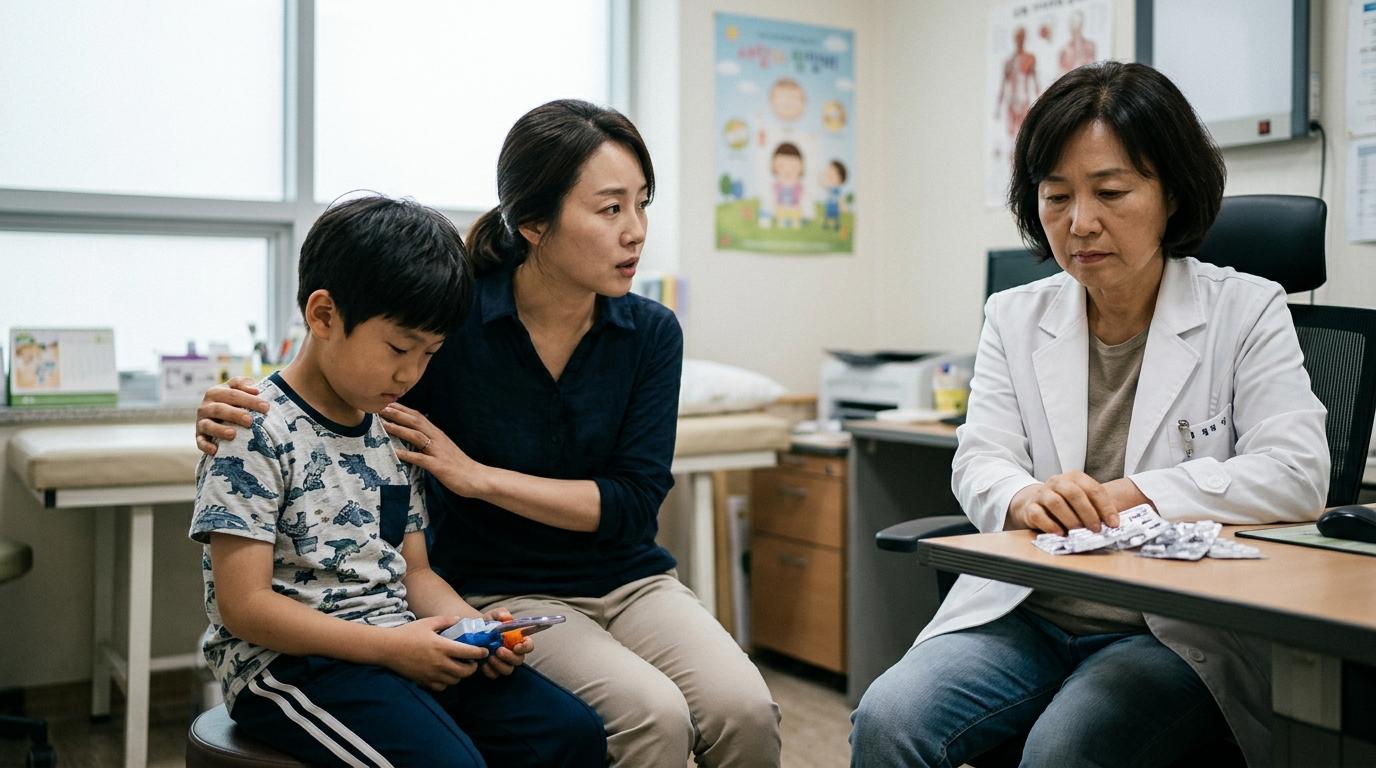
The misuse of antibiotics in growing children can have complex negative effects on the development of the immune system and bodily functions, potentially leading to decreased immunity, an increase in allergic diseases, and even long-term impairment of growth and development. To mitigate these risks, accurate diagnosis and prescription, correct medication habits, and strengthened systematic management at the national level are urgently needed.
Examining the current status and severity of antibiotic misuse in children reveals that South Korea records a high antibiotic prescription rate, exceeding global levels. South Korea is known as a country with relatively high antibiotic usage, and the prescription rate in pediatrics tends to be higher compared to other developed nations. This is analyzed not so much due to a higher incidence of infectious diseases, but rather as a reflection of antibiotics being widely prescribed even for viral illnesses, or being perceived as a 'magic bullet' due to parental expectations and short consultation times. Recent data indicates that children in certain age groups frequently receive antibiotic prescriptions multiple times a year, which is a major factor increasing potential risks.
Analyzing the primary causes of antibiotic misuse reveals it stems from a combination of factors involving the medical community, caregivers, and societal systems. From the medical perspective, antibiotics are sometimes prescribed preventatively or to alleviate patient (caregiver) anxiety, even without clear evidence of bacterial infection. From the caregiver's side, misconceptions such as 'antibiotics for fever' or 'antibiotics for cough' lead to demands for prescriptions from healthcare providers. Misuse also occurs when prescribed antibiotics are stopped arbitrarily when symptoms improve, or conversely, when they are taken for longer than the prescribed period for perceived complete recovery. Furthermore, there are criticisms that national policies and educational systems for managing antibiotic resistance and promoting proper usage are still insufficient.
The Long Shadow of Antibiotic Misuse on Growth and Development
Antibiotic misuse leads to immune system imbalance, contributing to an increase in allergic diseases. Frequent antibiotic use in early childhood can reduce the diversity of the intestinal microbial ecosystem (microbiome) and kill beneficial bacteria. A healthy gut microbiome plays a critical role in the development and regulation of the immune system. When this balance is disrupted, immune responses become hypersensitive, increasing the risk of developing various allergic diseases such as allergic rhinitis, atopic dermatitis, and asthma, as antibiotics affect not only pathogenic bacteria but also beneficial resident bacteria.
The possibility of changes in nervous system development and behavior patterns is also a risk factor that cannot be overlooked. Recent studies suggest that antibiotics may affect nervous system development and function through the gut-brain axis. Hypotheses are being researched suggesting that excessive antibiotic exposure could interfere with specific brain development processes or alter neurotransmitter production through gut microbial imbalances, potentially linking to behavioral development issues like Attention Deficit Hyperactivity Disorder (ADHD). Additionally, discomforts like indigestion, nausea, and vomiting, which can be direct side effects of antibiotics, can indirectly negatively impact a child's overall condition and growth process.
The most serious long-term impact, above all, is the emergence of antibiotic resistance and the subsequent threat to future health. The most clear and severe long-term consequence is the appearance of antibiotic-resistant bacteria. The more frequently children are exposed to antibiotics, the higher the probability that bacteria will acquire resistance. These resistant bacteria can become 'superbugs' that are difficult to treat with conventional antibiotics, posing a serious public health problem that threatens the treatment of infectious diseases not only for the children themselves but for society as a whole. This implies a potential reduction in effective treatment options for severe bacterial infections in the future.
Healthcare and National Management Strategies to Counteract Children's Antibiotic Misuse
To solve this problem, accountability in healthcare settings must be strengthened, and hospital 'Antibiotic Stewardship Programs' need to be activated. Medical institutions should prescribe antibiotics based on clear criteria for bacterial infection diagnosis and strive to minimize unnecessary prescriptions. To this end, it is important to activate hospital-based Antimicrobial Stewardship Programs (ASP) to monitor antibiotic usage patterns, recommend appropriate antibiotic use according to the latest guidelines, and establish strategies for managing resistant bacteria. Furthermore, providing caregivers with sufficient information about the effects and side effects of antibiotics and correct usage is essential.
The practice of 'wise antibiotic use' through improved caregiver awareness is also very important. Caregivers must clearly recognize that antibiotics are not a panacea for all fevers and coughs. They should trust the doctor's diagnosis and ensure prescribed antibiotics are taken accurately according to the specified dosage and duration. Arbitrarily stopping when symptoms improve or saving leftover antibiotics for use with other symptoms is extremely dangerous. Moreover, strengthening a child's immunity through healthy eating and lifestyle habits can be a fundamental preventive measure to reduce reliance on antibiotics.
Finally, comprehensive national management systems and expanded education must be provided. The government needs to strengthen its antibiotic resistance surveillance system and continuously update national guidelines for appropriate antibiotic use. Additionally, educational programs for healthcare professionals should be expanded, and public campaigns and education about the risks of antibiotic misuse and proper usage should be actively implemented for the general public, especially parents. In the long term, efforts to increase vaccination rates for infectious disease prevention and improve public health environments should also be pursued in parallel.